Why You Should Replace Your Water Heater Units Every 10-12 Years
Water heaters are essential appliances in any household, and their effectiveness heavily relies on their lifespan, which varies depending on the type and maintenance practices. Generally, traditional tank water heaters have an average lifespan of around 8 to 12 years, while tankless models can last up to 20 years or more. However, these figures can fluctuate based on several factors.
One critical aspect affecting the longevity of water heaters is maintenance. Regular inspections, flushing the tank to remove sediment buildup, and ensuring the pressure relief valve functions properly can significantly extend the life of traditional models. In contrast, tankless water heaters require periodic descaling to address mineral deposits, particularly in areas with hard water.
Usage patterns also play a pivotal role in determining the lifespan of these units. Homes with higher hot water demand typically exert more strain on water heaters, leading to earlier wear and tear. Conversely, a household that conserves water and uses hot water less frequently can expect a longer operational life from their water heater.
The quality of water entering the heater is another significant factor. Hard water, which contains high levels of minerals, can contribute to scaling and corrosion inside the unit. Using water softeners or periodic maintenance can help mitigate these issues, prolonging the lifespan of the heater.
Consequently, it is widely recognized that replacing water heater units every 10 to 12 years is optimal for both performance and efficiency. Aging units begin to deteriorate in their ability to heat water effectively, potentially leading to costly repairs and increased energy consumption. By understanding these aspects of their lifespan, homeowners can make informed decisions regarding the maintenance and replacement of their water heater systems.
Signs Your Water Heater Needs Replacing
Recognizing the signs that your water heater may need replacing is crucial for maintaining an efficient and reliable hot water supply in your home. Water heaters, like any appliance, gradually wear out over time, and being vigilant about certain indicators can help homeowners avoid emergencies and unexpected costs.
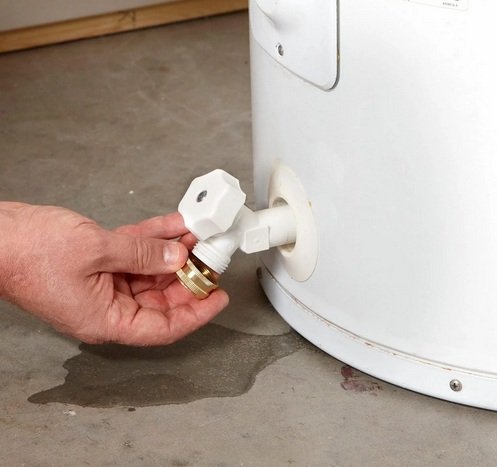
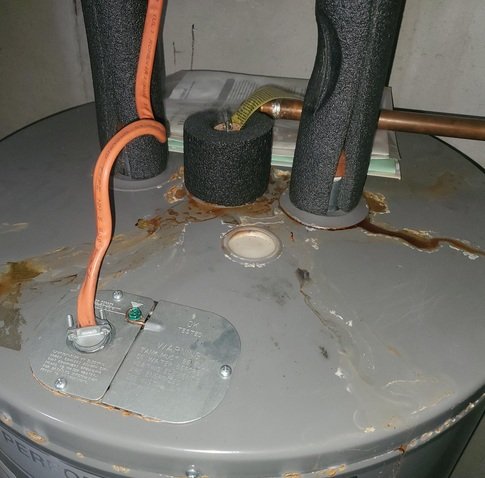
One of the most evident signs of a failing water heater is the presence of leaks. If you notice water pooling around the base of the unit or dripping from any connections, it may indicate a significant problem requiring immediate attention. Furthermore, rust and corrosion are strong indicators that the water heater is nearing the end of its life. A discolored or rusty water supply is often a sign that the tank is deteriorating. This is particularly relevant for models that use traditional tanks, where the metal may begin to succumb to corrosion.
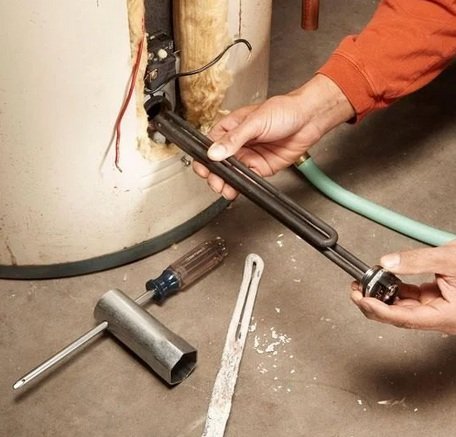
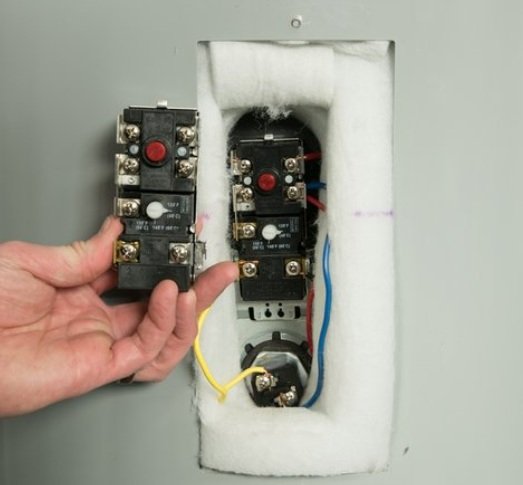
Another important aspect to consider is the unusual noises coming from the heater. Sounds such as rumbling, popping, or hissing can indicate sediment buildup inside the tank or a malfunctioning component, both of which might signal the need for replacement. Performance-related signs, such as fluctuating water temperatures or inadequate heating, also warrant attention. If you find that the water is irregularly warm or does not reach a sufficient temperature, this may suggest that the heating elements are failing.
Finally, assessing the quality of your water can offer clues regarding your water heater’s condition. If you begin to notice that the water has a metallic taste or a foul smell, it may be due to deteriorating components within the heater. Any combination of these signs should prompt a thorough inspection and consideration of replacing your water heater to ensure continued safety and efficiency in your home.
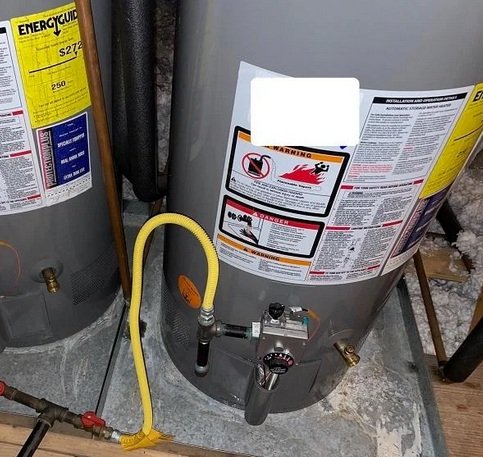
Benefits of Replacing an Old Water Heater
Replacing an aging water heater offers numerous advantages that are essential for any homeowner to consider. One of the primary benefits is improved energy efficiency. Older units often use more energy due to wear and outdated technology, resulting in higher utility bills. By upgrading to a newer model, homeowners can take advantage of advanced energy-efficient technologies that significantly reduce energy consumption, ultimately leading to lower monthly costs.
Another notable advantage of installing a new water heater is enhanced water quality. Over time, sediment and rust can build up in aging tanks, contaminating the hot water supply. New water heaters come equipped with improved filtration systems and materials that ensure cleaner, fresher water, which is paramount for both cooking and bathing. High-quality water results in better health outcomes for families and contributes positively to appliances such as dishwashers and washing machines.
Additionally, many modern water heaters incorporate smart technology features. This innovation allows homeowners to manage their hot water supply remotely through smartphone applications, enhancing convenience and control. These systems can also provide real-time updates on water usage, potential leaks, and maintenance needs, allowing for timely interventions that prevent larger problems down the line.
Furthermore, a new water heater can significantly improve overall home comfort. With reliable and consistent hot water, homeowners can enjoy showers, laundry, and dishes without interruptions that are often associated with outdated units. The reliability of a new system also lessens the chances of sudden breakdowns, thereby providing peace of mind to households.
In essence, the benefits of replacing an old water heater encompass energy savings, improved water quality, smart home features, and enhanced comfort and reliability, all contributing to a smarter investment for your property.
Choosing the Right Water Heater for Your Home
When the time comes to replace your water heater, knowing how to choose the right unit is essential to ensure comfort and efficiency in your home. First, consider the various types of water heaters available on the market, including electric, gas, and tankless systems. Each type has distinct advantages and may cater to specific household needs.
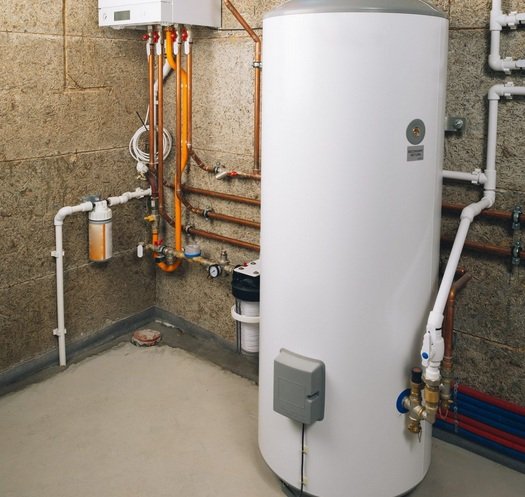
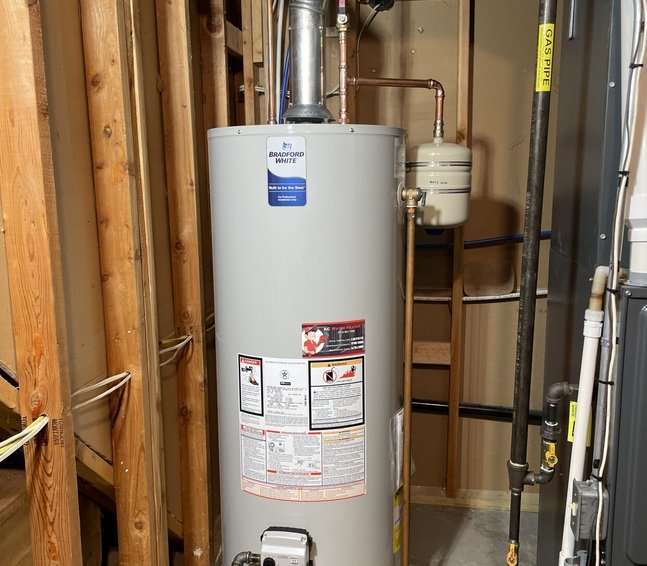
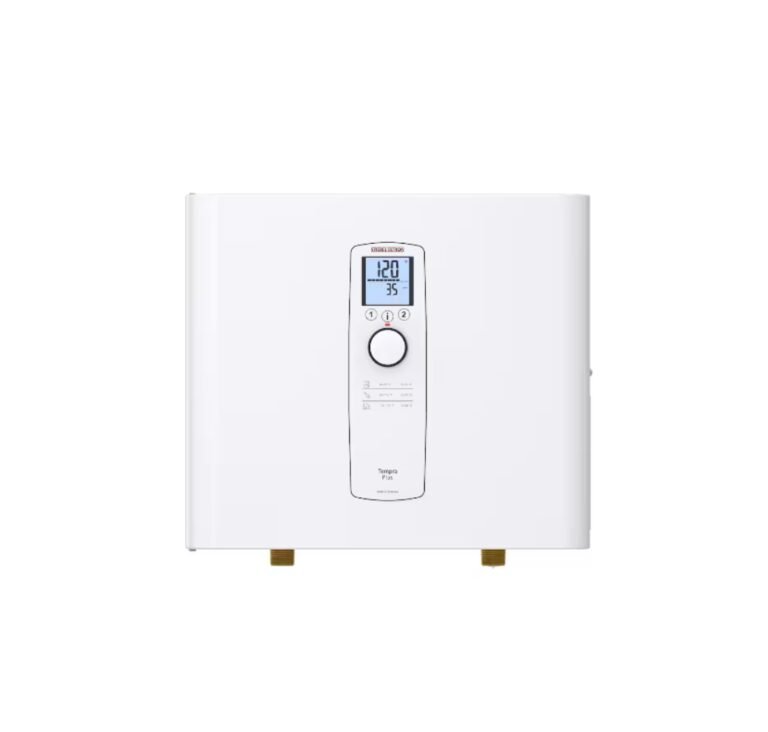
Electric water heaters, for instance, tend to have lower initial costs and are easier to install, making them a popular choice for many homeowners. On the other hand, gas water heaters often heat water more quickly and may ultimately save money on energy bills if gas prices are lower than electricity in your area. Tankless water heaters stand out for their ability to provide hot water on demand, eliminating the need for a storage tank and offering increased energy efficiency.
Next, size plays a crucial role in selecting the right water heater. It is vital to determine the appropriate capacity to ensure it meets your household’s hot water demands without overusing energy. A professional assessment can help in this aspect to evaluate your specific requirements. Additionally, consider the fuel source available since it can influence both the type of heater to choose and the long-term running costs.
Energy efficiency ratings are another important factor when choosing a water heater. Look for models that display high efficiency ratings, as these can lead to significant savings on your utility bills over time and contribute to a reduction in your environmental footprint.
Lastly, your budget will dictate much of your decision-making process. While it may be tempting to opt for the cheapest option, considering the long-term investment in energy savings and reliability is crucial. To ensure optimal performance and longevity of your water heater, consulting with a qualified professional for installation is highly recommended. A skilled technician can guarantee that the unit is installed according to manufacturer’s instructions and local codes, allowing you to enjoy the benefits of your new water heater efficiently.