Why You Should Replace Your Aging Water Heater Before It Fails
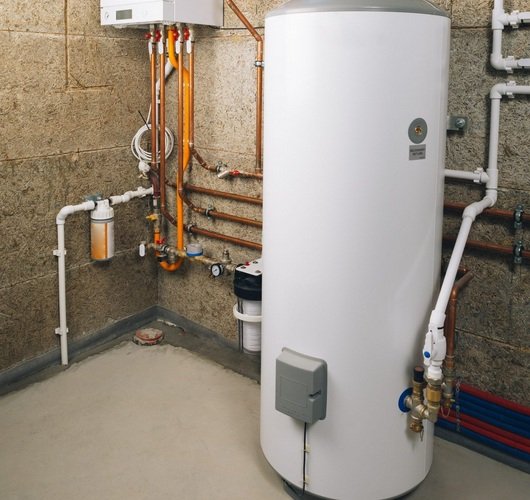
The lifespan of water heaters can vary significantly based on the type of unit, usage patterns, and maintenance practices. Traditional storage tank water heaters typically have a lifespan of about 8 to 12 years, while tankless water heaters often last longer, averaging around 15 to 20 years. The differences in longevity can be attributed to their design and operational efficiency.
Traditional water heaters, which store and heat a set amount of water, are more susceptible to wear and tear. Factors such as sediment buildup from minerals in the water can shorten their lifespan, leading to decreased efficiency and premature failure. Regular flushing of the tank can help mitigate these issues, ensuring that the unit operates efficiently throughout its lifespan.
On the other hand, tankless water heaters heat water on demand, which reduces the amount of time they are under stress compared to their tank counterparts. However, even tankless units can suffer from mineral buildup, especially in hard water areas. This can hinder performance and decrease longevity if not properly maintained. Utilizing a water softener can enhance the lifespan of these units significantly.
Beyond type and maintenance, installation quality, the frequency of use, and local water quality are also critical factors influencing water heater longevity. For instance, a poorly installed unit may experience more breakdowns and require repairs sooner than a well-installed one. Thus, regular inspections and routine maintenance by a qualified technician can play a crucial role in extending the effective lifespan of any water heater.
Signs Your Water Heater is Failing
Identifying the early signs of a failing water heater is crucial in preventing unexpected breakdowns and costly repairs. One of the primary indicators that your water heater is nearing the end of its lifespan is the presence of strange noises. Sounds such as popping, rumbling, or banging often indicate sediment buildup at the bottom of the tank. This buildup can cause the heater to work harder, leading to reduced efficiency and potentially catastrophic failures.
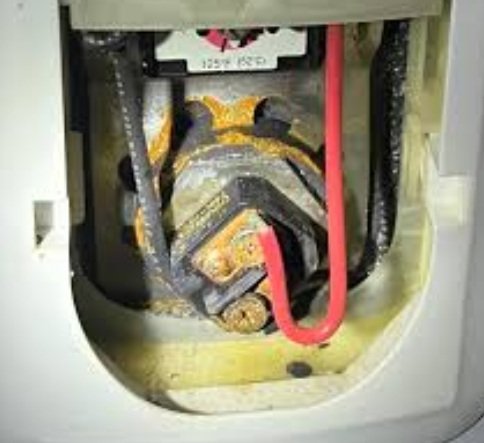
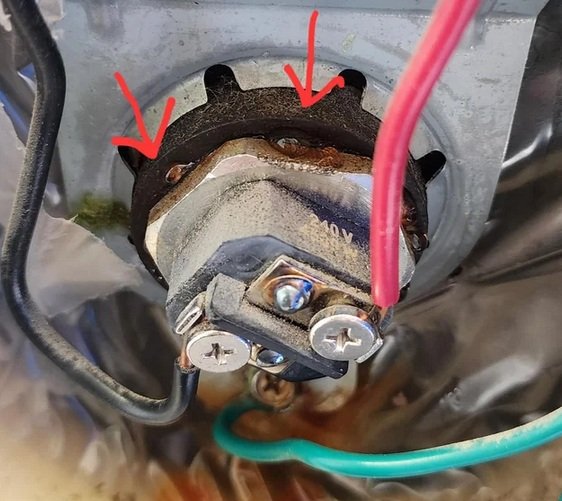
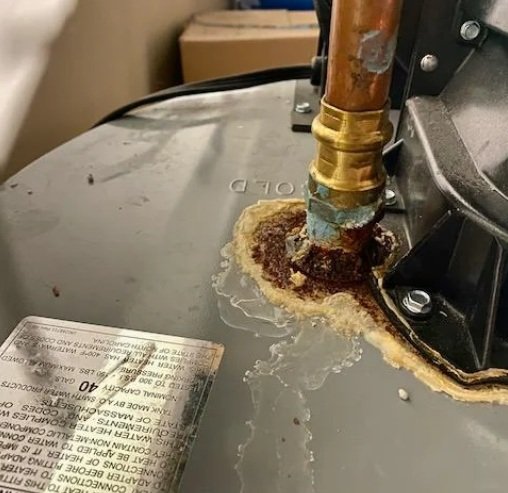
Another symptom to watch for is discolored water. If you notice a rusty or brown hue, this could signify corrosion within the tank or its components. Rust in your water potentially points to a breach in the interior lining of the water heater, indicating that the tank may soon develop leaks, necessitating immediate attention.
Inconsistent water temperatures also signify that your water heater may be failing. When you experience fluctuations in hot water supply, this could mean that the heating elements are malfunctioning or that sediment buildup is affecting the heater’s performance. In such cases, it is advisable to assess the condition of the unit.
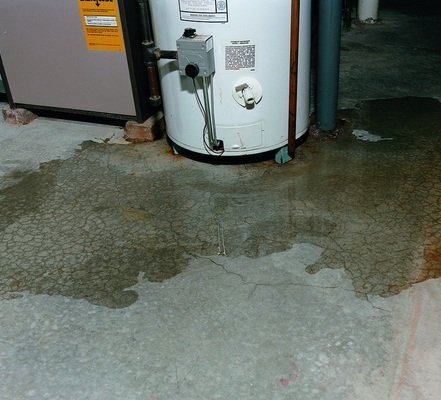
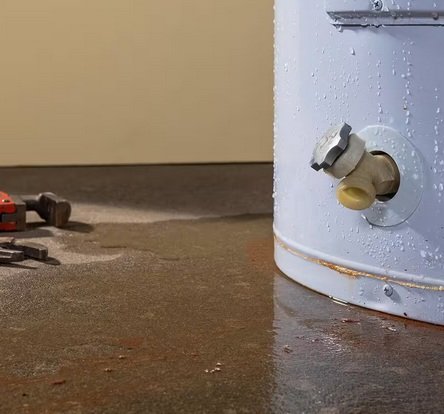
Leaks around the base of the water heater are a red flag and should not be ignored. A leak often indicates that the tank is compromised, and if left unchecked, may result in significant water damage, posing a serious risk to your home. By being aware of these critical signs—strange noises, discolored water, inconsistent temperatures, and leaks—you can take proactive measures to address potential issues before your water heater fails completely.
The Risks of Waiting for a Failure
Putting off the replacement of an aging water heater can lead to considerable risks, primarily involving property damage and significant inconvenience. Over time, water heaters can degrade and lose efficiency, leading to abnormal wear and tear. If the unit completely fails, homeowners may suddenly find themselves without hot water, which can disrupt daily routines and cause significant discomfort, particularly in colder months. This unexpected loss can also lead to emergencies that require costly repairs.
Another critical aspect of waiting until failure is the potential for property damage. Old water heaters are susceptible to leaks or bursts, which can result in severe water damage to walls, flooring, and personal belongings. Such damages might necessitate extensive repairs, potentially costing thousands of dollars. In many instances, the aftermath of a water heater failure extends beyond simple repairs and often includes remediation for mold growth or structural damage caused by water exposure.
Moreover, emergency replacement services tend to charge significantly higher rates compared to scheduled maintenance or preemptive replacement. Homeowners may find themselves facing exorbitant costs associated with emergency services that could have been avoided through proper planning. In addition to financial burdens, the stress and hassle of finding a technician on short notice can further complicate an already difficult situation.
In essence, ignoring the signs of an aging water heater can lead to grave consequences. The combination of potential property damage, the inconvenience of unexpected hot water shortages, and the high costs associated with emergency repairs underscores the importance of proactive measures. Regular assessments and timely replacements can mitigate these risks, ultimately ensuring a reliable and efficient hot water supply.
Tips for Choosing the Right Replacement Water Heater
Selecting the appropriate replacement water heater is a crucial decision that affects your home’s comfort and energy efficiency. There are several factors to consider to ensure you make an informed choice suitable for your needs.
First, evaluate the type of water heater that best fits your household. Traditional tank water heaters store a reserve of hot water, while tankless models provide hot water on demand, thereby eliminating standby heat loss. If you have limited space or require immediate hot water, a tankless option may be more suitable. Conversely, if your household consumes large quantities of hot water simultaneously, a traditional tank water heater may better accommodate these needs.
Next, consider the size and capacity of the unit. The first-hour rating is an important measurement that indicates how much hot water a unit can supply in an hour. It is advisable to choose a water heater that can meet your peak hour demand while being energy-efficient. Oversized units can increase energy costs, while undersized units may leave your family lacking adequate hot water.
Energy efficiency ratings should also be a central factor in your selection process. Reviewing the Energy Factor (EF) is essential; this rating assesses the water heater’s efficiency in converting energy into hot water. Selecting a model with a higher EF will not only reduce operational costs but also contribute to environmental sustainability.
Your budget will naturally play a significant role in determining your water heater choice. Determine upfront costs as well as potential long-term savings associated with energy-efficient models. It is also wise to account for professional installation expenses and any applicable warranties offered with the unit.
Ultimately, investing time in researching and assessing your options will help you choose the right replacement water heater that aligns with your household requirements and financial considerations.