Why Scale Reduces Your Water Heater Efficiency
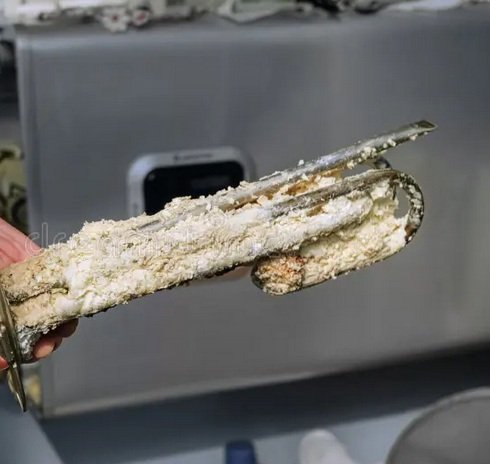
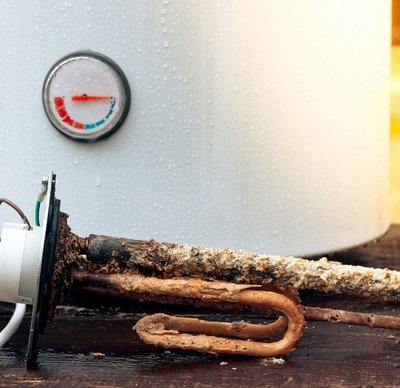
Scale, in the context of water heaters, refers to the hard, mineral deposits that accumulate on the interior surfaces of pipes and the heating elements of the appliance. This mineral buildup primarily stems from the presence of hard water, which contains elevated levels of calcium, magnesium, and other mineral ions. As water is heated in the water heater, these minerals can precipitate out of the solution, leading to the formation of scale.
The chemical process responsible for scale formation begins when hot water is produced. As temperature rises, the solubility of calcium and magnesium decreases, causing these minerals to crystallize and adhere to surfaces within the water heater. It is typically at higher temperatures that this process accelerates, making water heaters particularly vulnerable to scale accumulation.
Scale formation can be exacerbated by prolonged heating cycles and insufficient water circulation, which contributes to higher concentrations of dissolved minerals in specific areas. Moreover, water heaters that operate with hard water are at increased risk, as regions lacking water softening treatment will face continuous mineral influx. Other contributing factors include low water pressure and stagnant water, creating an environment conducive for scale to establish and grow.
In summary, understanding how scale forms is crucial for homeowners and maintenance professionals alike, as it highlights the importance of water quality in preserving the efficiency of water heaters. By recognizing the chemical actions and conditions that lead to scale buildup, one can better implement preventive measures, such as installing water softening systems or conducting regular maintenance routines, to extend the lifespan and efficiency of water heating appliances.
The Impact of Scale on Water Heater Efficiency
Scale formation in water heaters is a critical issue that affects their efficiency and longevity. Scale consists primarily of mineral deposits, which accumulate over time as water is heated. This build-up can have a significant negative impact on the heat transfer efficiency of water heating systems, whether they are tank or tankless models.
In a tank water heater, scale can accumulate at the bottom of the tank, creating an insulating layer that hinders heat transfer from the heating element to the water. This results in longer heating times, as the system must work harder to reach the desired temperature. As a consequence, the energy consumption increases, leading to higher utility bills for homeowners. Furthermore, the reduced efficiency often necessitates more frequent cycles, exacerbating wear and tear on the unit.
Concerns about scale extend to tankless water heaters as well. These systems rely on efficient heat exchangers for rapid heating of water. When scale builds up, the heat exchanger’s effectiveness diminishes, leading to inadequate heating and fluctuating water temperatures. In severe cases, scale can restrict water flow, causing the system to shut down to prevent damage.
The presence of scale also poses a long-term threat to the lifespan of water heaters. Continuous operation under duress due to scale buildup can lead to premature failure of components, ultimately resulting in the need for costly repairs or replacements. Regular maintenance and descaling, when necessary, become essential for maintaining water heater performance and extending its life.
In summary, the impact of scale on water heater efficiency is profound, affecting both heating times and energy consumption while potentially reducing the operational lifespan of the unit. Homeowners should prioritize preventative measures to mitigate these effects and maintain optimal water heater performance.
Identifying Signs of Scale Buildup
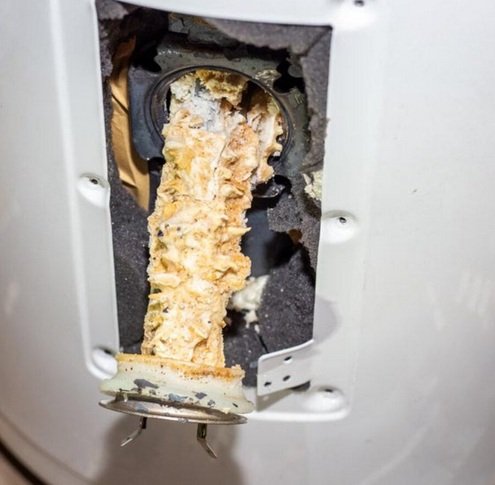
Recognizing the early signs of scale buildup in your water heater is crucial for maintaining its efficiency and longevity. One significant indicator is the presence of unusual noises emanating from the unit. If you hear popping, hissing, or rumbling sounds while the heater is operating, it may be a signal that scale is accumulating on the heating elements. This buildup can impede the heating process, resulting in an inefficient water heater.
Another common symptom of scale accumulation is fluctuating water temperatures. You may notice that the water is not consistently hot or that it takes longer to reach your desired temperature. Scale acts as a barrier between the heating element and the water, causing the heater to work harder to achieve the same results, which can also lead to higher energy consumption.
Furthermore, if you find that your water heater is taking an extended period to heat up, this could indicate significant scale buildup. The presence of scale can slow down the heating process, making it less efficient. You might also observe an increase in your energy bills over time as the heater struggles to maintain performance levels due to the presence of scale.
Highlighting the importance of regular maintenance cannot be overstated. Scheduling routine inspections can help identify early signs of scale formation. By addressing these symptoms promptly, homeowners can prevent extensive scale buildup, ensuring their water heaters operate efficiently while extending their lifespan. Simple preventative measures, such as annual flushing of the heater and checking for sediment accumulation, can significantly enhance energy efficiency and overall performance.
Preventive Measures and Solutions for Scale Buildup
Efficient water heater operation is essential for homeowners seeking to maintain optimal energy consumption and longevity of their units. One of the most significant threats to water heater efficiency is scale buildup, primarily from mineral deposits such as calcium and magnesium. Fortunately, there are several preventive measures and solutions that homeowners can implement to mitigate this issue.
Firstly, installing a water softening system can dramatically reduce the hardness of water entering the heater. Softened water contains lower concentrations of the minerals that contribute to scaling. As a result, a water softening system not only helps in preserving the efficiency of the water heater but also extends the lifespan of plumbing fixtures and appliances.
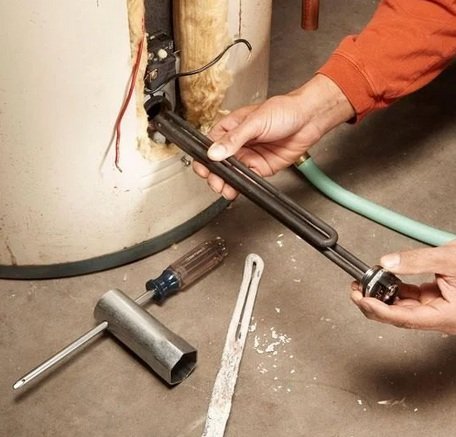
Another effective strategy is to establish a regular maintenance routine. This includes periodic inspections of the water heater, assessing for signs of scaling and corrosion, and scheduling maintenance services. Homeowners should consider flushing the heater at least once a year. Flushing involves draining the tank to remove any sediment and mineral buildup, significantly improving efficiency and preventing excessive wear on the unit.
Additionally, utilizing descaling products can be a proactive solution. These products are specifically formulated to dissolve mineral deposits within the system. When used strategically as per the manufacturer’s instructions, descaling solutions can effectively combat scale accumulation, ensuring that the water heater continues to function efficiently.
Overall, implementing these preventive measures can greatly enhance water heater efficiency. By focusing on softening water, maintaining a consistent maintenance schedule, and using descaling products, homeowners can safeguard their investments and enjoy the benefits of a functioning water heater for years to come.