Water Heater Selection Made Easy: Tips for Homeowners
When selecting a water heater, it is crucial to understand the various options available. The most common types include traditional storage tank, tankless, heat pump, and solar water heaters. Each has its unique characteristics, efficiency levels, costs, and ideal use cases.
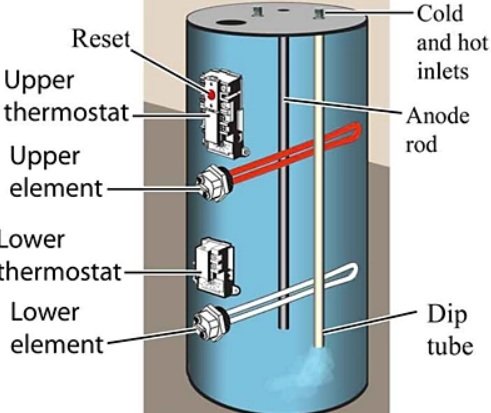
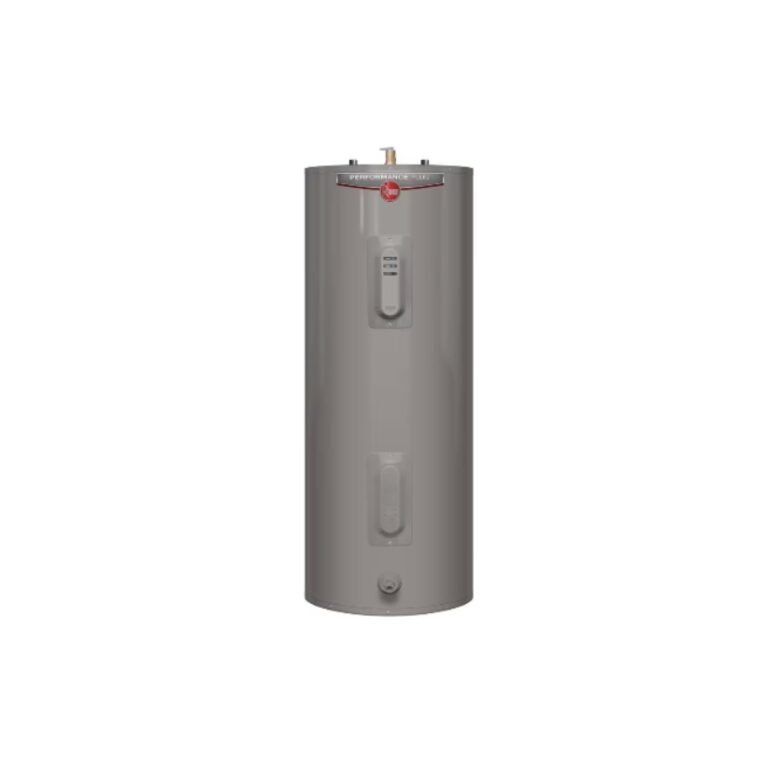
Traditional storage tank water heaters are the most widely used. They consist of a large tank that holds heated water, typically ranging from 30 to 80 gallons. This method enables a constant supply of hot water, but it may be less energy-efficient, as it continuously heats water, even when not in use. However, they tend to have lower upfront costs, making them an accessible choice for many homeowners.
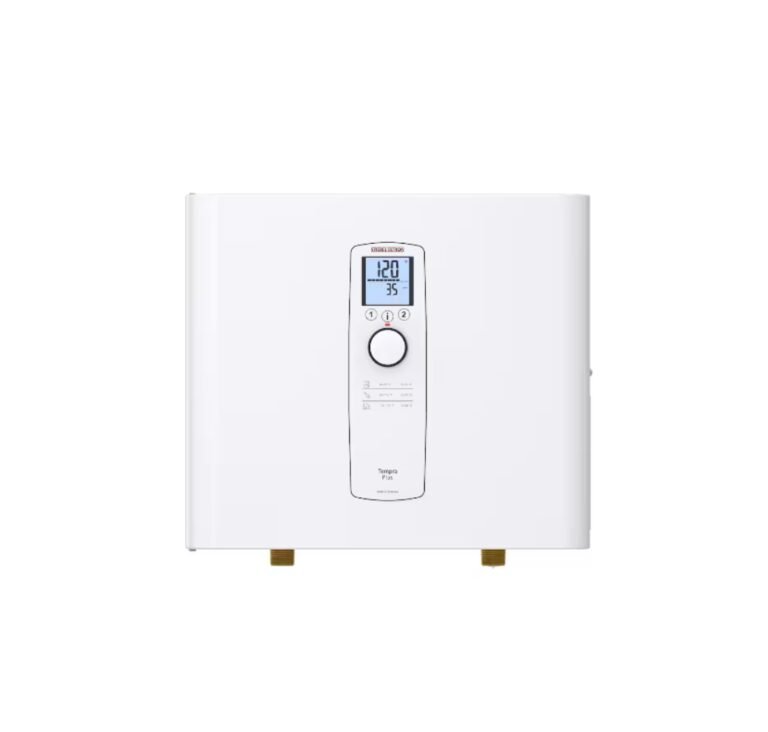
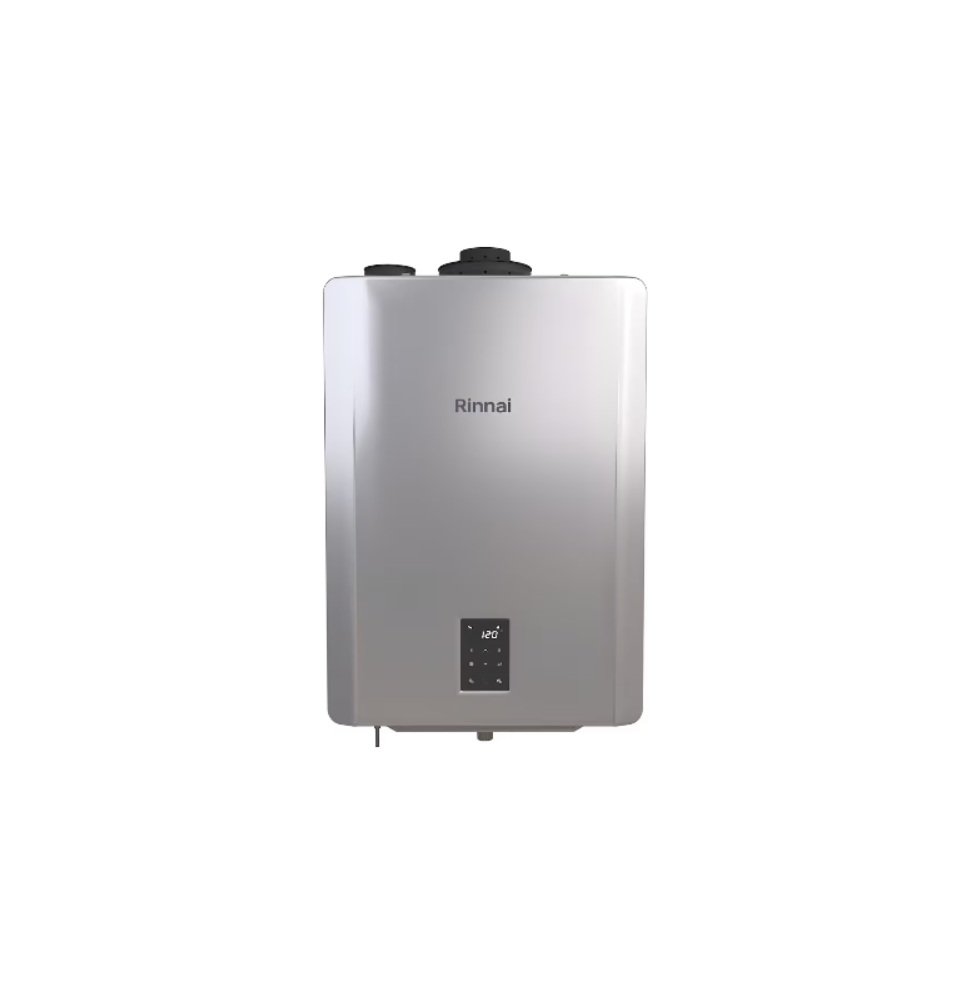
Tankless water heaters, also referred to as on-demand water heaters, heat water directly without the need for a storage tank. When a hot water tap is turned on, cold water travels through a pipe into the unit, where it is heated by either gas or electricity. This type provides an endless supply of hot water, which makes it efficient and beneficial for larger households. While their initial installation cost is typically higher than that of traditional models, tankless units can reduce energy costs over time.
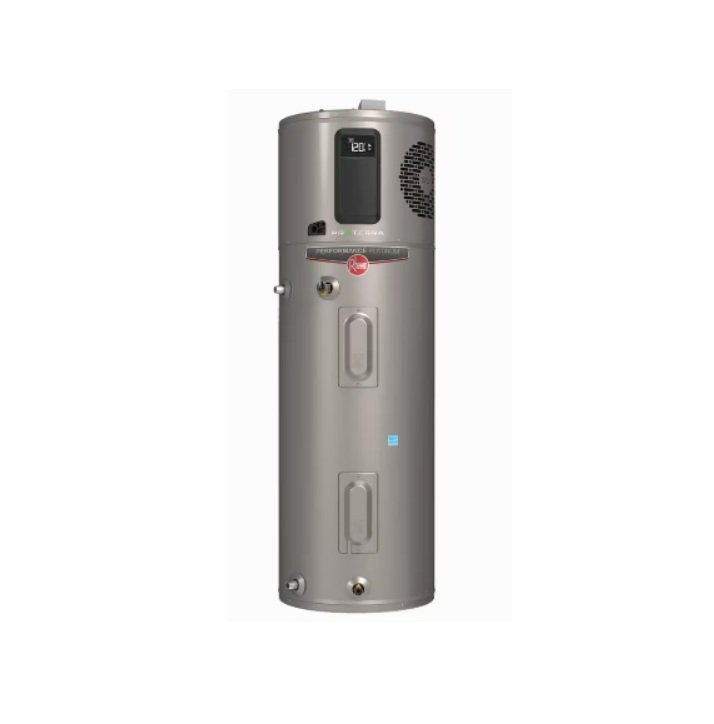
Heat pump water heaters utilize electricity to move heat rather than generate it directly, offering excellent energy efficiency. They absorb heat from the air or ground and transfer it to the water. While the upfront costs can be substantial, their operating costs are generally lower, leading to significant savings in energy bills. These heaters are particularly effective in moderate climates.
Lastly, solar water heaters harness solar energy to heat water, providing an eco-friendly option. They consist of solar panels installed on the roof that collect sunlight, which can significantly reduce electricity bills. However, they often require a backup system for cloudy days or high-demand situations, and initial costs can be substantial. Overall, by understanding these various types of water heaters, homeowners can make informed decisions that best fit their needs and budget.
Evaluating Your Home’s Hot Water Needs
Assessing your household’s hot water requirements is an essential step in selecting the appropriate water heater that caters to your family’s needs. Start by considering the number of individuals residing in your home, as the total will significantly influence the hot water demand. Generally, each person requires an estimated 20 to 30 gallons of hot water per day, depending on personal habits and usage patterns.
It is also imperative to examine peak usage times throughout the day. For many households, the morning hours when showers, dishwashing, and laundry coincide can create a surge in hot water demand. If your household typically engages in multiple hot water activities simultaneously, it may be prudent to consider a water heater with a higher flow rate or capacity to accommodate this requirement comfortably.
Furthermore, take stock of specific appliances that rely on hot water. For instance, washing machines, dishwashers, and even some types of water heaters (like tankless systems) have varying requirements for hot water delivery. Understanding the gallons per minute (GPM) your appliances demand will aid in defining the total capacity needed.
To calculate your family’s overall hot water needs, you can utilize simple formulas. A commonly used method involves adding the water requirements of each appliance and activity typically engaged in during high-demand periods. Consider the maximum simultaneous usage and calculate the total necessary gallons or flow rate accordingly. By evaluating these factors thoroughly, you can ensure that the selected water heater effectively meets your family’s hot water demands.
Considering Energy Efficiency and Costs
When selecting a water heater, energy efficiency is a critical factor that directly affects both operational costs and environmental impact. Homeowners should familiarize themselves with key efficiency ratings, specifically the Energy Factor (EF) and the Uniform Energy Factor (UEF). These ratings provide a benchmark for the energy efficiency of water heaters, allowing consumers to make informed decisions.
The Energy Factor is a measure of the amount of hot water produced per unit of fuel consumed over the course of a day. It takes into account recovery efficiency, stand-by losses, and cycling losses. A higher EF indicates a more efficient water heater, which can lead to significant savings on monthly energy bills. Meanwhile, the UEF is a newer metric that standardizes efficiency measurements across different types of water heaters, making it easier for homeowners to compare options and assess their long-term costs.
Understanding these ratings is essential, as they directly influence operational costs over the product’s lifespan. While water heaters with higher energy efficiency ratings may come with a higher upfront cost, the savings in energy expenditures can often offset this additional investment. Moreover, by selecting an energy-efficient model, homeowners can contribute to reducing their carbon footprint, aligning with contemporary environmental goals.
Additionally, many regions offer incentives or rebates for purchasing energy-efficient water heaters, potentially lowering the initial investment further. Homeowners are encouraged to explore available state or utility company programs, which may offer financial assistance or tax credits for choosing models that meet certain efficiency criteria. Balancing the upfront costs against long-term savings is essential for making a prudent decision that benefits both finances and the environment.
Installation, Maintenance, and Troubleshooting Tips
When selecting a water heater, understanding its installation, maintenance, and troubleshooting is essential for every homeowner. The installation process can be approached in a couple of ways: hiring a professional or taking on a do-it-yourself (DIY) project. It is vital to assess your own skill set and comfort level with plumbing and electrical work before deciding on your approach. A professional installation often guarantees optimal performance and safety, whereas a DIY installation can be cost-effective but may lead to unforeseen complications if not executed correctly.
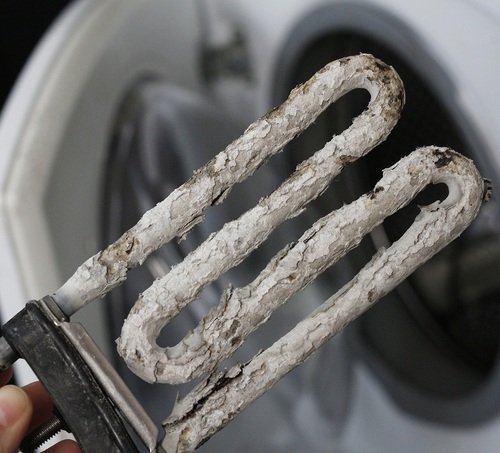
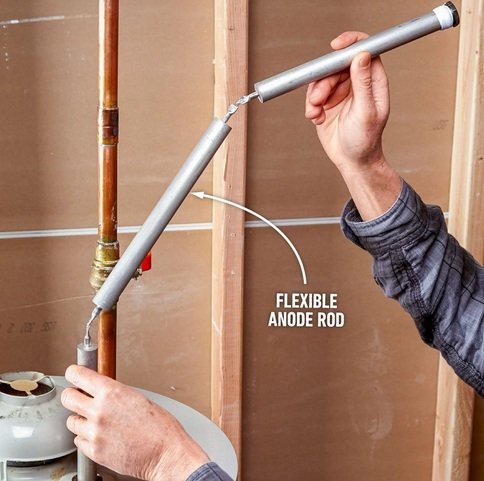
Regardless of how the water heater is installed, maintenance should be a priority for homeowners. To ensure its longevity, it is recommended to follow a regular maintenance schedule. This includes flushing the tank at least once a year to remove sediment buildup, checking the anode rod every two to three years, and ensuring that the temperature is set between 120 to 140 degrees Fahrenheit for optimal energy efficiency. Regular maintenance can prevent various issues, such as leaks or inefficient heating, which can arise when a heater is neglected.
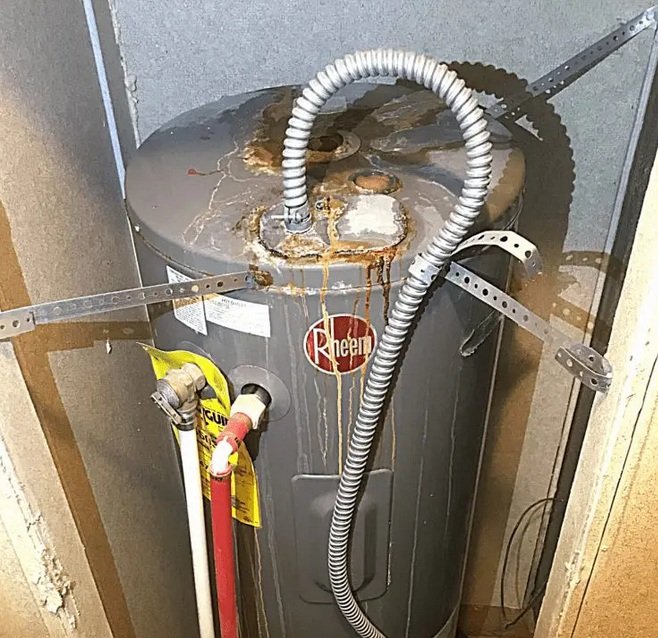
In addition, homeowners should be aware of common troubleshooting tips to handle minor issues. Always check the power supply or gas line if your water heater is not functioning. For electric heaters, ensuring that the circuit breaker is not tripped is a good first step. If there are signs of water leaks, identifying the source is critical, as this might indicate a failing tank or loose connections. These small preventative measures not only help in the smooth operation of your water heater but also in reducing long-term repair costs.
In conclusion, being informed about water heater installation, maintenance, and troubleshooting is essential for homeowners. Regular care and attention to your system can significantly enhance its performance and longevity, ensuring an uninterrupted supply of hot water in your home.