Upgrade to Energy-Efficient Water Heater Models: Why It Matters
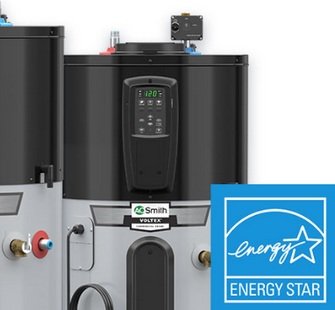
Energy-efficient water heaters are designed to use less energy while providing the same level of performance as traditional models. This efficiency is achieved through various technologies and design improvements. The most common types of energy-efficient water heaters include tankless, heat pump, and solar water heaters. Each of these models leverages different mechanisms to enhance their energy-saving capabilities.
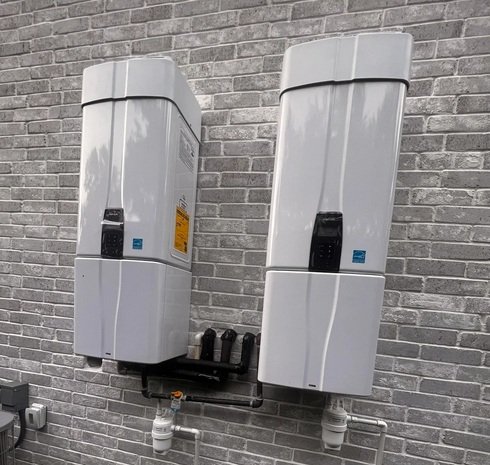
Tankless water heaters, also known as on-demand water heaters, heat water directly without the necessity of a storage tank. By heating water only as it is needed, these systems can be significantly more efficient than conventional storage tank heaters, which continuously heat a reservoir of water. This feature not only conserves energy but also offers the added advantage of a continuous supply of hot water.
Heat pump water heaters utilize electricity to move heat from the air or ground to heat water. These systems can be up to three times more efficient than traditional electric resistance water heaters. By extracting ambient heat, they require less electricity to operate, thereby optimizing overall energy consumption.
Solar water heaters harness solar energy to provide hot water. They are composed of solar panels that absorb sunlight, which is then converted into heat to warm water. Although initial installation costs may be higher, the long-term savings on energy bills and the environmental benefits make them a worthwhile investment for many households.
To assess energy efficiency, consumers should utilize the Energy Factor (EF) rating system. The EF rating indicates how much hot water is produced per unit of fuel consumed over a typical day. A higher EF rating signifies greater efficiency, helping consumers make informed decisions regarding which water heater will serve their needs best while minimizing energy consumption.
Benefits of Upgrading to Energy-Efficient Models
Upgrading to energy-efficient water heater models presents a multitude of significant benefits that appeal to both homeowners and the environment. One of the most immediate advantages of these advanced systems is the substantial cost savings on energy bills. Energy-efficient water heaters are designed to use less energy than their conventional counterparts, leading to decreased utility expenses over time. Homeowners can expect to see a noticeable decline in their monthly bills, resulting in savings that accumulate over the lifespan of the unit.
Moreover, upgrading to energy-efficient models positively impacts the environment by helping to reduce carbon footprints. Traditional water heaters often rely on fossil fuels or less efficient technologies that contribute to greenhouse gas emissions. By contrast, modern energy-efficient systems utilize innovative technologies that minimize energy consumption, thereby lessening their environmental impact. This transition is crucial in combating climate change and promotes greener living.
Another notable benefit associated with energy-efficient water heaters is their longer lifespan. These models are built with more durable components and advanced features that enhance their longevity compared to standard options. While traditional water heaters have an average lifespan of about 10 to 15 years, energy-efficient variants often last significantly longer, reducing the frequency and cost of replacements.
Furthermore, energy-efficient water heaters improve overall water heating performance. Their ability to heat water rapidly and maintain desired temperatures can elevate a home’s comfort. This improved efficiency can lead to increased satisfaction for residents and a more harmonious living experience. In summary, upgrading to an energy-efficient water heater not only creates financial benefits but also fosters a sustainable future and enhances the durability and performance of water heating systems.
Factors to Consider When Upgrading
When considering an upgrade to energy-efficient water heater models, there are several key factors that should be evaluated to ensure a suitable choice. Understanding the size of your household is crucial; different families have varying hot water needs that can determine the capacity required from a new water heater. For instance, a larger household may necessitate a higher capacity unit to meet demand effectively, while smaller homes might benefit from compact models that consume less energy.
Another critical factor is assessing the performance of your current water heater. If your existing unit frequently runs out of hot water, has noticeable fluctuations in temperature, or requires constant repairs, it may be time for a more efficient replacement. Investigating the energy usage and efficiency ratings of various water heater models is also vital, as more efficient systems can dramatically reduce your utility bills over time.
Installation costs can vary significantly based on the type of unit chosen and the extent of modifications needed to integrate the new water heater into your home. It is advisable to budget not only for the appliance itself but also for any professional installation services, since proper installation can enhance efficiency and extend the lifespan of the unit.
Researching different models and their features is essential prior to making a selection. Each energy-efficient water heater model comes with distinct benefits, such as improved insulation, advanced technology, and varying heat source options like electric, gas, or solar. Comparing these characteristics will help you identify the best fit for both your requirements and budget.
Additionally, exploring available local incentives or rebates for energy-efficient upgrades can significantly reduce upfront costs, making the transition to a more environmentally friendly option not just advisable, but also financially feasible. By considering these factors, homeowners can make informed decisions regarding their water heater upgrades, ultimately leading to better efficiency and savings.
Transitioning to an energy-efficient water heater can be a significant upgrade for homeowners, and ensuring a smooth transition is crucial for optimal performance. The first step in making this switch is to engage licensed professionals who specialize in water heater installation. These experts can assess your current setup and recommend the best energy-efficient models that fit your home’s specific needs. It is imperative that the installation aligns with local building codes and safety standards, ensuring reliability and efficiency.
Another consideration for homeowners is scheduling the installation during off-peak times. This practice not only reduces disruption in daily activities but may also lead to better availability of professionals. Typically, weekdays or non-holiday periods tend to be less busy for contractors, allowing for a quicker and more efficient installation process.
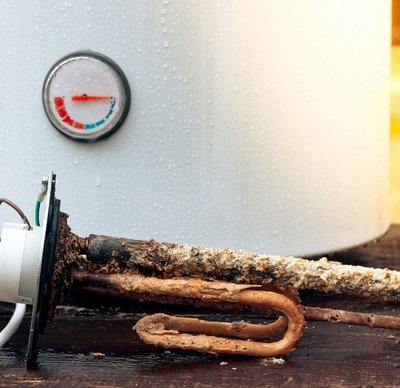
After installation, proper maintenance of the new energy-efficient system is essential for long-term performance. Regular check-ups and maintenance can prevent issues that may arise and ensure that the water heater functions at its peak efficiency. Homeowners should familiarize themselves with the maintenance requirements outlined in the user manual, including tasks such as flushing the tank and checking the anode rod. Creating a maintenance schedule can assist in keeping the system running smoothly.
Moreover, it is beneficial to be aware of the common pitfalls to avoid during the switch. For instance, overlooking the size and capacity of the new unit could lead to inadequate hot water supply. Additionally, neglecting the energy source available in the home, whether it be electric or gas, might result in compatibility issues. By staying informed and proactive about these considerations, homeowners can ensure a seamless transition to their new energy-efficient water heater.