Understanding Water Heater Recovery Time: Changes and Implications
Water heater recovery time refers to the period required for a hot water heater to heat a specific volume of water after it has been depleted. This measure is crucial for households and businesses that depend on a constant supply of hot water, as it directly impacts the availability of hot water during peak usage periods. Recovery time affects how quickly hot water is available for various applications, including showering, dishwashing, and laundry.
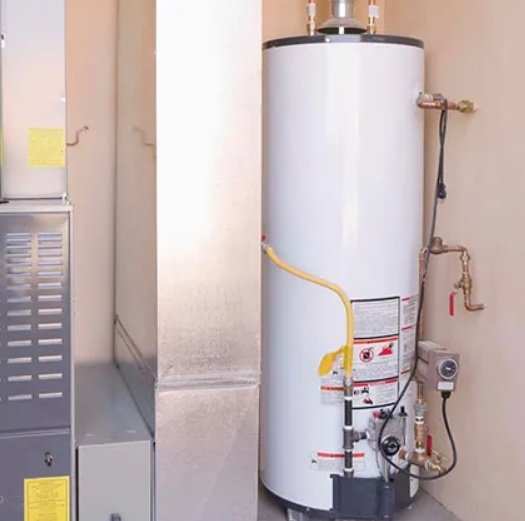
Water heater recovery time is typically measured in hours. It indicates how efficiently a water heater can replace the hot water that has been used. For conventional tank water heaters, recovery time is influenced by the tank’s size, the heating element’s power, and the temperature rise required (the difference between the incoming water temperature and the desired hot water temperature). Conversely, tankless water heaters operate differently; they heat water on demand, thus eliminating traditional recovery times altogether. However, they do still have a flow rate capacity which dictates how quickly they can supply hot water.
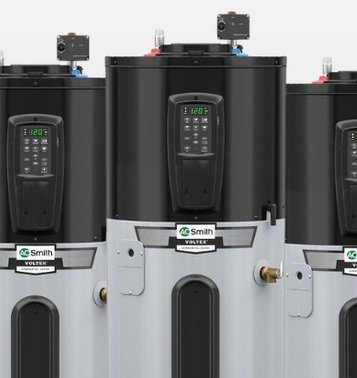
Additionally, heat pump water heaters offer a different recovery mechanism. These systems extract heat from the ambient air to heat water, making them more energy-efficient but potentially leading to longer recovery times compared to conventional electric or gas models. Understanding the differences in recovery times among various types of water heaters is critical when selecting a system suited for a household or business’s needs.
Ultimately, recognizing the implications of water heater recovery time ensures that users can select the appropriate hot water solution that minimizes downtime during high-demand periods, thereby maintaining comfort and efficiency in daily routines.
Factors Influencing Water Heater Recovery Time
Water heater recovery time is influenced by a multitude of factors that determine how efficiently and quickly a water heater can restore its hot water supply after use. Among the most significant factors is the size and capacity of the water heater itself. Generally, larger tanks hold more water, allowing for more extensive hot water use before needing to recover. Conversely, smaller tanks may run out of hot water more quickly, resulting in longer recovery periods.
Another influential factor is the temperature setting of the water heater. Higher temperature settings require more energy to heat the incoming cold water, which can lengthen the recovery time, especially in traditional tank heaters. Energy efficiency should be considered here; setting the heater at a moderate temperature can improve recovery time without considerable energy loss.
The type of energy source used also plays a crucial role in recovery time. Electric water heaters often take longer to recover compared to gas models because gas burners typically heat the water more rapidly. Similarly, solar water heaters can experience variability in recovery time based on weather conditions and sunlight availability, making them less predictable in their performance.
The initial temperature of the incoming water is another key consideration. Colder water entering the system necessitates more energy to achieve the desired hot water temperature, extending the recovery time. This is particularly noticeable in winter months when incoming water temperatures drop significantly.
Lastly, the frequency and amount of hot water usage directly affect recovery performance. If a household demands hot water continuously throughout the day, this consistent depletion will lead to longer recovery times. Understanding these factors is essential for optimizing the performance of a water heater and ensuring a consistent supply of hot water.
How to Calculate Your Water Heater Recovery Time
Determining the recovery time of your water heater is an essential aspect of ensuring adequate hot water supply for your needs. Recovery time refers to the duration it takes for a water heater to heat a given volume of water after the hot water has been used. To calculate your water heater’s recovery time, follow these steps:
First, identify the capacity of your water heater, which is usually indicated in gallons. For instance, if you have a 50-gallon tank, this value is essential for further calculations. Next, note the recovery rate of your water heater, often listed on its specification label. The recovery rate indicates how many gallons of water the heater can warm in an hour at a specified temperature rise.
To calculate recovery time, use the formula:
Recovery Time (in hours) = (Gallons Used) / (Recovery Rate)
For example, if you use 30 gallons of hot water, and your water heater has a recovery rate of 20 gallons per hour, the calculation would be:
Recovery Time = 30 / 20 = 1.5 hours
Therefore, it would take approximately 1.5 hours to recover the hot water supply after usage. Additionally, consider your specific usage patterns. If your household typically uses a significant amount of hot water in a short period, it may impact the frequency of recovery.
To enhance precision in your calculations, tools such as hot water flow meters can measure water usage accurately, while thermometer measurements can help track the temperature rise of the water. Understanding how to calculate and adjust for recovery time will ensure you maintain sufficient hot water availability without disruption, aligning with your daily requirements for showers, washing, and cleaning.
Practical Implications of Changes in Recovery Time
The recovery time of a water heater significantly influences its performance and the overall experience of the users. Notably, changes in recovery time can alter daily routines. For instance, if the recovery time increases, it may lead to unexpected interruptions during common activities such as showering or washing dishes, especially during peak usage hours. Users may find themselves waiting longer for hot water, which can be an inconvenience and impact overall comfort.
Moreover, variations in recovery time can also have financial repercussions. A prolonged recovery time often necessitates more energy consumption, leading to increased utility costs. This additional expenditure can accumulate over time, making it essential for homeowners to monitor their water heater’s performance. Recognizing a significant change in recovery time could serve as an alert for potential inefficiencies, prompting a review of energy usage and costs.
In terms of the longevity and efficiency of the water heater, a noticeable drop in recovery time may indicate underlying issues. Frequently operating under suboptimal conditions can shorten the lifespan of the appliance, leading to earlier-than-expected replacements. Therefore, if users detect substantial changes in recovery time, proactive measures should be taken.
Homeowners experiencing significant variations in their water heater’s recovery time should consider implementing regular maintenance practices. This includes flushing the tank to remove sediment buildup and checking for leaks or corrosion. If the issue persists, it may be prudent to consult a professional plumber who can diagnose and rectify any mechanical issues. Additionally, upgrading to a more energy-efficient water heater may be an appropriate solution, providing enhanced performance and reduced energy costs in the long run.