Understanding Reverse Osmosis Systems: How They Work and Their Benefits
A reverse osmosis (RO) system is a water purification technology that uses a semi-permeable membrane to remove impurities and contaminants from water. This filtration method operates by applying pressure to water, forcing it through the membrane, which only allows water molecules to pass while rejecting larger molecules, ions, and contaminants. The primary purpose of a reverse osmosis system is to produce clean, safe drinking water by eliminating harmful substances such as salts, bacteria, viruses, and chemicals.
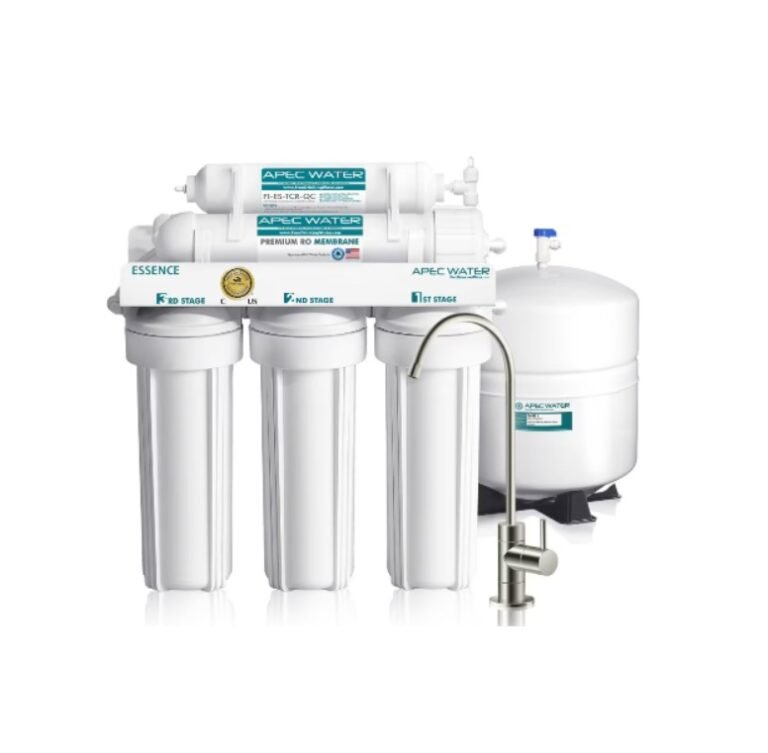
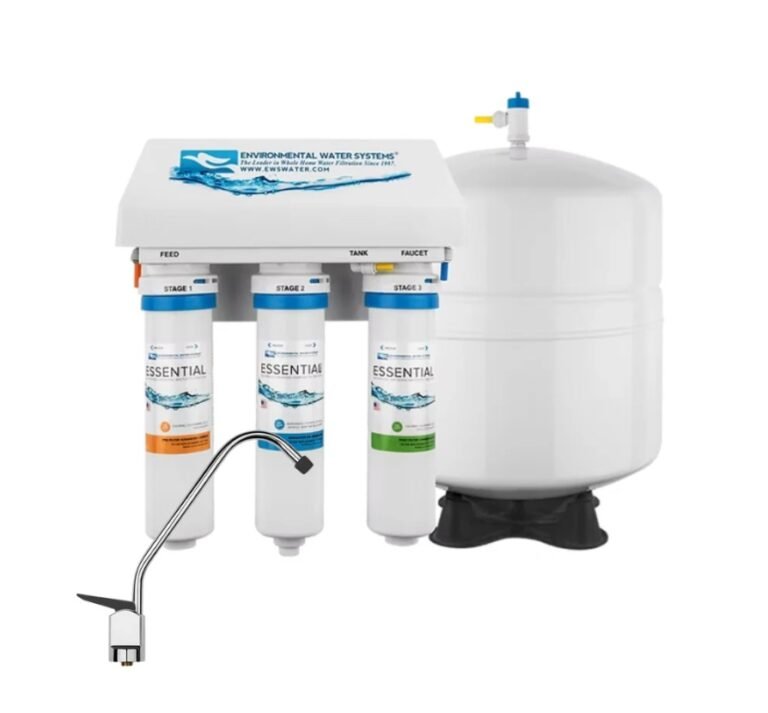
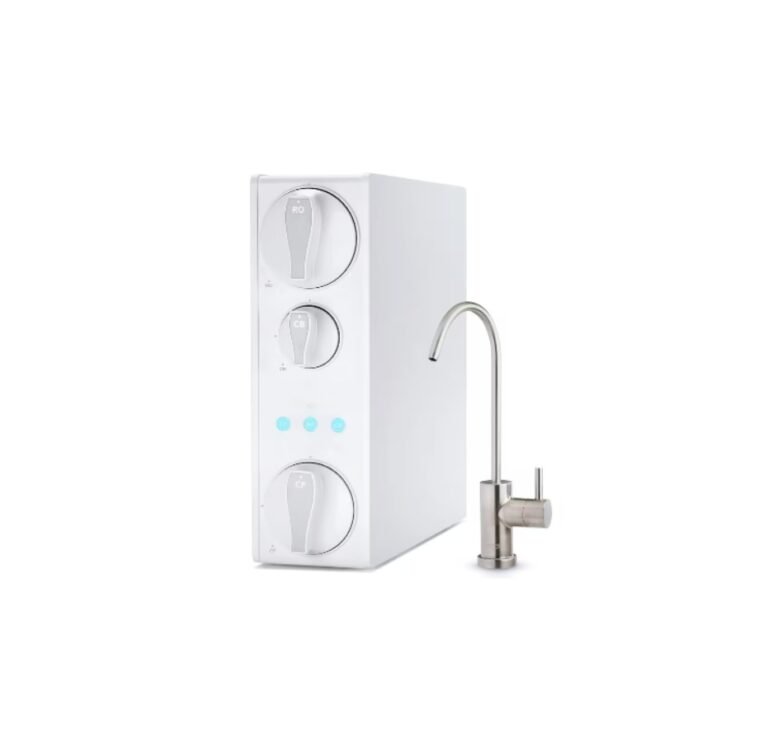
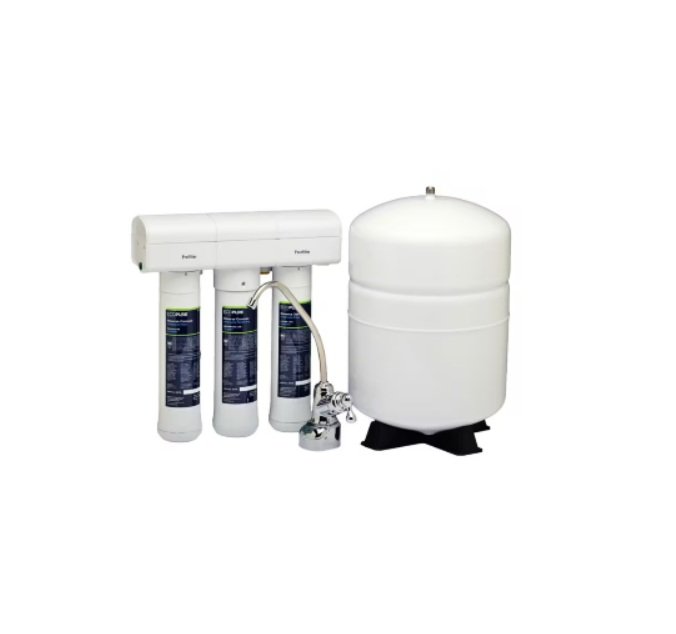
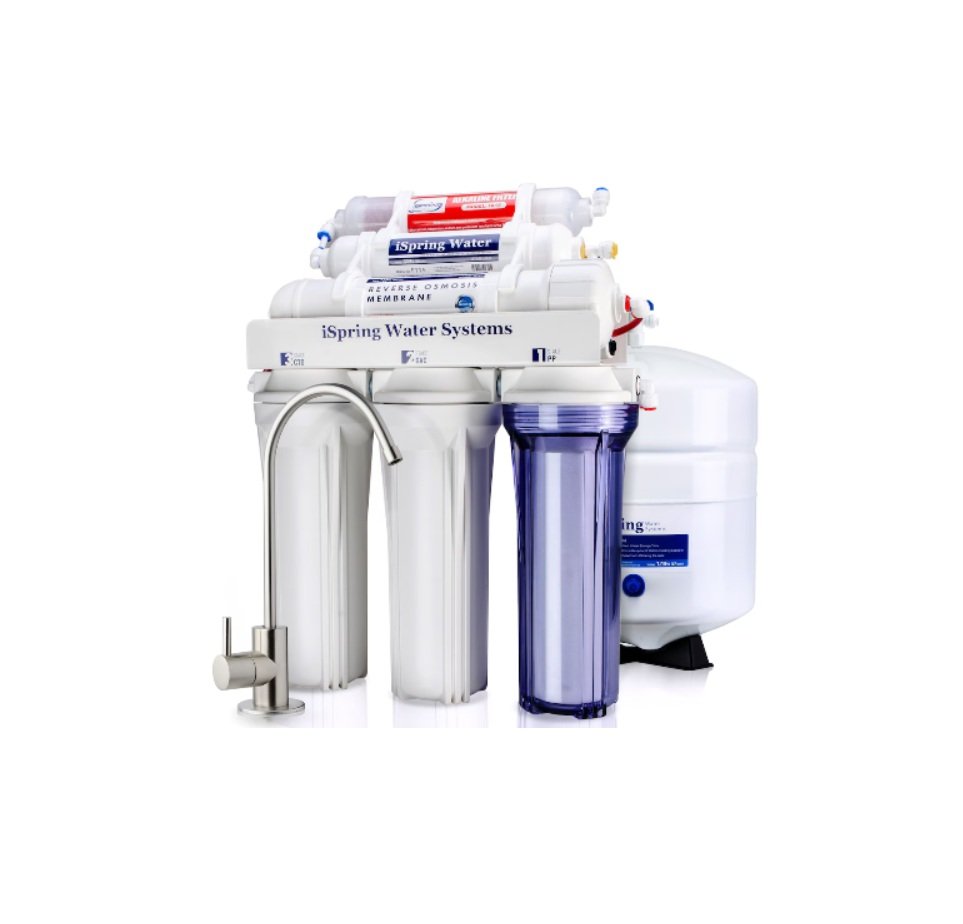
The basic components of a reverse osmosis system typically include a pre-filter, the RO membrane itself, a post-filter, and a storage tank. The pre-filter manages larger particles and sediment, protecting the more delicate RO membrane from damage. The RO membrane is the core of the system, where the actual purification occurs, while a post-filter further polishes the water, ensuring any remaining contaminants are removed before reaching the consumer’s tap.
Reverse osmosis systems are widely utilized across various applications. In residential settings, these systems are employed to improve drinking water quality by addressing issues such as taste, odor, and hardness. Many households invest in point-of-use RO systems, which are typically installed under kitchen sinks for direct access to purified water. Additionally, larger-scale reverse osmosis systems are integral to industries such as food and beverage production, pharmaceuticals, and municipal water treatment, where the requirement for high-purity water is critical. Having a clear understanding of what a reverse osmosis system entails highlights its significance in both domestic and industrial contexts.
The Science Behind Reverse Osmosis
Understanding the principles of reverse osmosis (RO) begins with the concept of osmosis. Osmosis is the natural process whereby solvent molecules, typically water, pass through a semi-permeable membrane from a zone of lower solute concentration to one of higher solute concentration. This movement aims to equalize the concentrations on both sides of the membrane. In contrast, reverse osmosis operates by applying pressure to the more concentrated side of the membrane, effectively reversing the natural osmotic flow.
In a reverse osmosis system, feedwater, which contains various dissolved solids and impurities, is subjected to high pressure. This pressure is crucial as it forces water molecules through a selectively permeable membrane while rejecting larger particles, pollutants, and contaminants. The membrane allows only pure water, termed permeate, to pass through, while the remaining concentrate—the waste laden with solutes—is discarded. The efficacy of this separation process heavily relies on the characteristics of the membrane, such as pore size and material, which are designed for maximum efficiency in filtering out harmful substances.
Additionally, water pressure plays a vital role in determining the performance of the reverse osmosis system. The difference in water pressure facilitates the movement of water molecules towards the permeate side, enhancing the filtration process. Higher water pressure usually results in greater production of purified water, but it must be balanced with the solute concentration, as excessive pressure can lead to diminished returns. Understanding these scientific principles is essential for appreciating how reverse osmosis systems provide effective water purification, ensuring that the water consumed is free from harmful contaminants.
Components of a Reverse Osmosis System
A reverse osmosis system is composed of several critical components that work cohesively to filter and purify water. Understanding these components is essential to grasp how the system functions effectively.
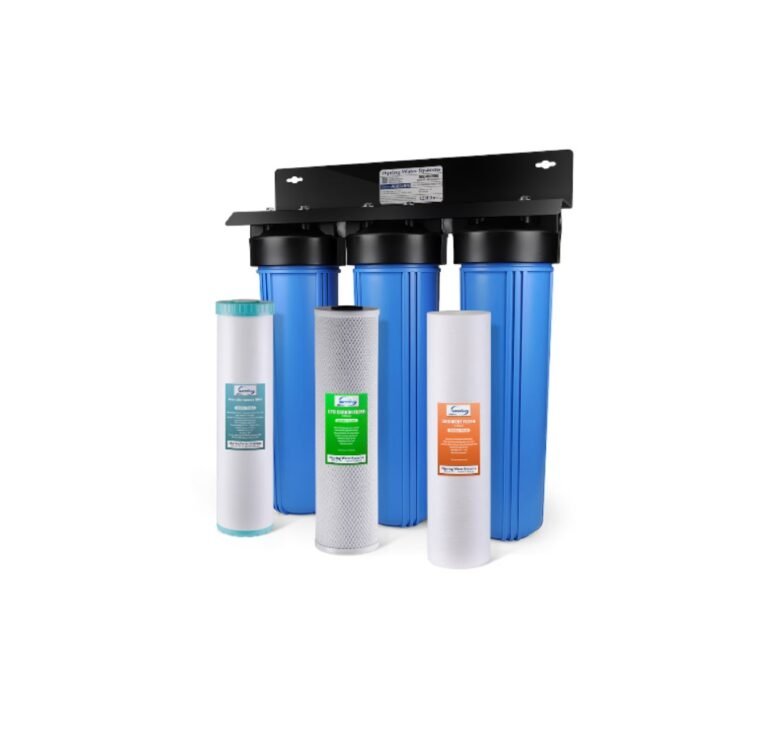
The first stage typically involves pre-filters, which include sediment and carbon filters. Sediment filters are designed to remove larger particles such as dirt, rust, and sand from the incoming water. By eliminating these particulates, they protect the subsequent filters from clogging and extend the life of the system. Carbon filters play a complementary role by reducing chlorine, volatile organic compounds (VOCs), and other contaminants that can adversely affect the taste and odor of drinking water.
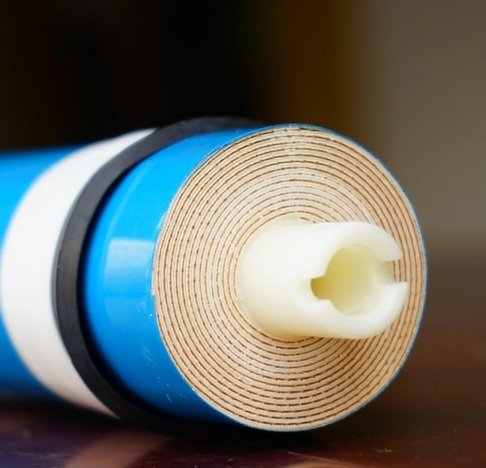
Next is the heart of the reverse osmosis system: the RO membrane itself. This semipermeable membrane allows only water molecules to pass through while rejecting a wide range of dissolved impurities, salts, and harmful substances, ensuring that the purified water is free from contaminants. The efficiency of the RO membrane is paramount, as its pore size is 0.0001 microns, preventing bacteria and heavy metals from contaminating the filtered water.
The purified water is then stored in a dedicated storage tank. This component is crucial for providing an adequate supply of purified water on demand. The tank is typically pressurized, which allows for a steady flow of water when the faucet is turned on.
Finally, many reverse osmosis systems include post-filters, often made of activated carbon, which are tasked with polishing the filtered water. This last step enhances the taste of the water and ensures that any residual contaminants are further reduced before reaching the tap. The combination of these components defines the efficiency and effectiveness of a reverse osmosis system, contributing significantly to cleaner, better-tasting drinking water.
Benefits and Applications of Reverse Osmosis Systems
Reverse osmosis (RO) systems are renowned for their ability to enhance water quality, making them a popular choice in both residential and industrial applications. One of the primary benefits of utilizing a reverse osmosis system is the notable improvement in the taste and odor of drinking water. Contaminants such as chlorine, sediment, and other impurities are effectively removed, resulting in cleaner, better-tasting water. This enhancement significantly contributes to the increased consumption of water, encouraging healthy hydration habits.
Beyond aesthetic improvements, reverse osmosis systems play a crucial role in water safety by removing harmful contaminants. Common elements like lead, arsenic, and nitrates, which may pose serious health risks, are filtered out through the RO membrane. This process ensures that the water supply is not only palatable but also safe for consumption, thus giving consumers peace of mind. The effectiveness of reverse osmosis in safeguarding against various pollutants makes it an essential filtration method in areas where water quality is a concern.
Furthermore, the convenience of using reverse osmosis systems cannot be overlooked. They offer an efficient solution for both household and industrial use, fitting seamlessly into daily routines. Many households benefit from under-sink RO installations that provide filtered water on demand. Additionally, the versatility of these systems extends to other applications such as aquariums, where maintaining specific water quality is crucial for aquatic life. In swimming pools, RO systems can help manage water hardness and chemical balance, preventing problems like scaling and cloudy water. Moreover, in food production environments, these systems ensure that water used in processing is contaminant-free, thus maintaining product quality and safety.
The wide-ranging benefits and applications of reverse osmosis systems highlight their importance in ensuring a safe water supply and promote overall well-being in various contexts. Considering their effectiveness, convenience, and versatility, reverse osmosis systems have established themselves as a reliable choice for those seeking improved water quality.