Understanding Breaker Size Compatibility for Your Water Heater
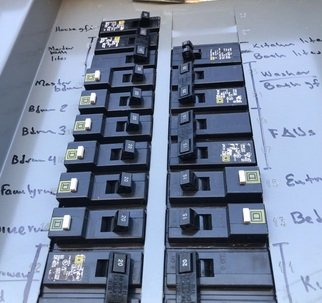
Water heaters are essential appliances that provide hot water for various domestic and commercial uses, such as bathing, cooking, and cleaning. These devices can be powered by electricity, natural gas, or propane, but electric water heaters rely heavily on a well-designed electrical system to function effectively. To comprehend the functionality of electric water heaters, one must first appreciate their electrical requirements, which include voltage, amperage, and, crucially, the appropriate circuit breaker size.
Circuit breakers serve as protective devices in electrical systems, designed to interrupt the flow of electricity in case of overload or short circuits. Each circuit breaker is rated for a specific amount of current; when the electrical flow exceeds this rating, the breaker trips, cutting off power to the connected device. In the context of electric water heaters, choosing the correct breaker size is vital for both safety and performance. An inadequately sized breaker may trip frequently, leading to diminished hot water supply and inconvenience. Conversely, an oversized breaker can fail to trip during an overload, posing a significant risk of fire or damage to the appliance.
Understanding the importance of matching the circuit breaker size with the electric water heater’s specifications is essential for homeowners and contractors alike. It is not merely a matter of regulatory compliance, but one of ensuring the safe operational efficacy of the water heater. By selecting a breaker that fits the heater’s electrical requirements, users can optimize their systems’ efficiency while safeguarding their homes against electrical hazards. This awareness sets the foundation for a deeper exploration of the specific breaker sizing criteria necessary for various types of water heaters.
Factors Influencing Breaker Size for Water Heaters
When selecting the appropriate breaker size for a water heater, several key factors must be taken into account to ensure optimal performance and safety. These factors include voltage, wattage, and the specific type of water heater being utilized—either tank or tankless. Each of these elements plays a pivotal role in determining the correct breaker size needed.
The voltage of the water heater is essential, as residential water heaters typically operate on either 120V or 240V circuits. For a water heater connected to a 240V system, it is crucial to calculate the required breaker size based on the total wattage. The wattage of the water heater directly correlates to its heating capacity; thus, knowing the wattage rating is vital before proceeding with sizing the breaker. A common formula used is: Amperage (A) = Wattage (W) / Voltage (V). This calculation allows homeowners and electricians to deduce the necessary amperage and, subsequently, the breaker size.
In addition, the type of water heater influences the breaker requirements. Tank water heaters typically require a larger initial current draw for heating the stored water, whereas tankless systems, although providing instantaneous hot water, may require larger breakers due to their high wattage demands during peak usage. Moreover, the National Electric Code (NEC) stipulates regulations regarding breaker sizing to enhance safety and protect electrical systems. According to the NEC, it’s recommended that breakers for water heaters be sized at least 125% of the load calculated at the maximum amperage to ensure the circuit can handle unexpected surges. These insights into voltage, wattage, water heater type, and regulatory standards are critical in achieving the correct breaker size, thereby ensuring electrical safety and appliance efficiency.
Steps to Determine the Required Breaker Size
Identifying the appropriate breaker size for your water heater is crucial for ensuring safe and efficient operation. To start, gather the necessary information regarding your water heater’s wattage and voltage, commonly found on the unit’s specification plate or in the installation manual. This foundational data will help you calculate the required amperage.
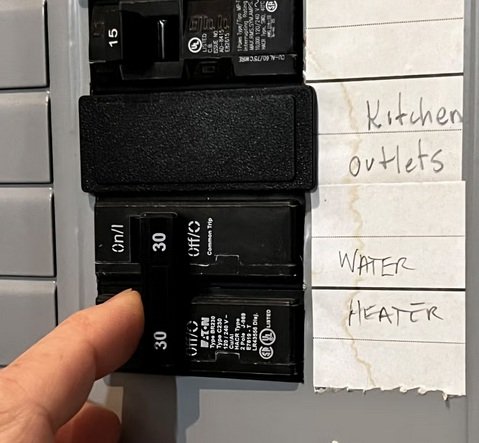
The first step involves calculating the amperage of your water heater using the formula: Amperage = Wattage / Voltage. For example, if your water heater has a wattage of 4500 watts and operates on a 240-volt system, the calculation would be 4500 watts / 240 volts = 18.75 amps. It is important to round up the amperage to a standard breaker size, typically choosing the next higher amperage. In our scenario, selecting a 20-amp breaker would be appropriate.
Once you have determined the required amperage, it’s essential to select a breaker that complies with the National Electrical Code (NEC) guidelines. These requirements stipulate that the breaker should be sized to safely handle the water heater’s start-up load, which could be higher than the nominal operating load. A common practice is to choose a breaker that can accommodate 125% of the calculated load; hence, for an 18.75 amp load, a 25 amp breaker could also be considered.
If you are uncertain or uncomfortable with this process, consulting with a qualified electrician is advisable. An electrical professional can offer valuable insights into your specific situation and ensure that all safety standards are met. This is particularly crucial for those who are inexperienced with electrical systems.
Following these steps will empower you to determine the correct breaker size, ensuring safe electrical operation and optimizing the functionality of your water heater.
Common Mistakes and Safety Considerations
Selecting the appropriate breaker size for a water heater is crucial, yet homeowners often make common mistakes that can lead to safety hazards. One frequent error is underestimating the power requirements of the water heater. Each unit has a specific amperage and voltage requirement, and matching the breaker size to these specifications is essential to ensure safe operation. Installing a breaker that is too small might cause it to trip frequently, while a breaker that is too large could fail to protect the wiring from overheating, posing a serious fire risk.
Another mistake involves failing to adhere to local electrical codes and regulations. These codes are in place to ensure safety and reliable performance. Ignoring them can lead to significant issues, including increased risk of electrical fires or equipment damage. Therefore, checking local codes before installation is vital and must not be overlooked.
When installing a water heater, proper installation techniques should be followed to prevent future problems. For instance, ensuring that connections are secure and wiring is correctly rated for the amperage is critical. Maintenance practices, such as inspecting the heater and electrical connections periodically, can help identify problems before they escalate.
If tripped breakers or malfunctioning heaters occur, it is crucial to not attempt to resolve the issue without understanding the underlying cause. Homeowners should consult a qualified electrician to diagnose the problem accurately. They may suggest solutions such as upgrading the breaker size, replacing faulty components, or adjusting the installation to align with safety standards. Addressing these issues promptly ensures that the water heater operates efficiently while minimizing risks to people and property.