Troubleshooting Common Water Softener Problems
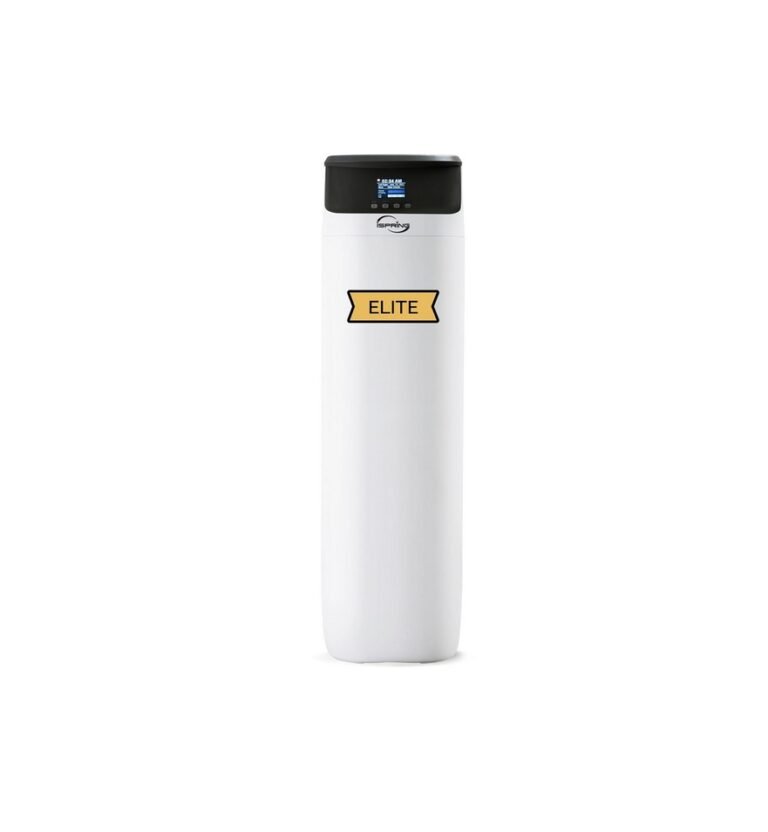
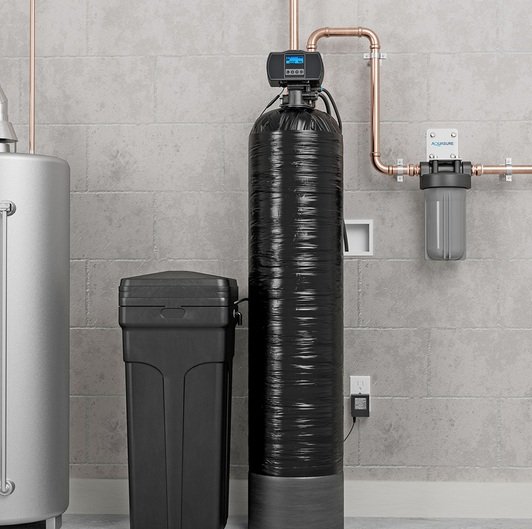
Water softeners are devices designed to remove hardness-causing minerals, primarily calcium and magnesium, from water. The process that enables them to achieve this is known as ion exchange. During this process, hard water flows through a resin tank filled with small beads that are negatively charged. These beads are coated with sodium ions, which are exchanged for calcium and magnesium ions present in the hard water. As a result, the water exiting the softener is significantly reduced in hardness.
There are primarily two types of water softeners commonly used: salt-based systems and salt-free systems. Salt-based systems utilize the ion exchange method involving sodium chloride (table salt), while salt-free systems apply a different approach, often utilizing a template-assisted crystallization process to prevent mineral build-up without removing the hardness minerals. Both types serve to provide the same end goal of reducing water hardness, but the choice generally depends on specific water quality needs and preference.
Softening water has numerous benefits for households and businesses alike. Softer water helps prevent scale build-up in pipes and appliances, leading to increased efficiency and longevity of water heaters, dishwashers, and washing machines. Additionally, soft water enhances the effectiveness of soaps and detergents, thus requiring less product for cleaning tasks. This not only improves cleanliness but also reduces overall expenditure on soaps and maintenance. Ultimately, understanding how water softeners work will provide a solid foundation for troubleshooting issues that may arise with these essential systems.
Common Issues with Water Softeners and Their Symptoms
Water softeners play a crucial role in enhancing water quality by removing hard minerals such as calcium and magnesium. However, various issues can arise during their operation, leading to ineffective performance. Understanding these problems and their symptoms is essential for effective troubleshooting.
One common issue is a malfunction during the regeneration cycle. If the water softener fails to regenerate properly, it will lead to hard water passing through the system. Symptoms of this issue may include spots on dishes, a dull appearance on glassware, or persistent soap scum in sinks and showers. An indication of this problem could be a longer than expected interval between regenerations or an unusual increase in water hardness.
Another frequently encountered problem is salt bridging, which occurs when a hard crust forms over the top of the salt in the brine tank, preventing the salt from dissolving properly. This can lead to inadequate regeneration. Symptoms of salt bridging include the softener running out of salt more quickly than expected, as well as consistent hard water issues, even after regeneration.
A third issue is ineffective softening due to low salt levels or incorrect salt types being used. Users may notice an increase in limescale buildup on plumbing fixtures, or water may feel slippery or excessively soapy. It is advisable to regularly check the salt level and ensure that the appropriate type of salt is being utilized to prevent this situation.
By being aware of these common water softener problems and their symptoms, users can more effectively diagnose issues, facilitating timely maintenance and repairs for optimal water quality.
Step-by-Step Troubleshooting Guide
Water softeners can experience a range of issues that may hinder their effectiveness. This guide will walk you through common problems and provide actionable steps to resolve them.
Step 1: Check the Power Supply
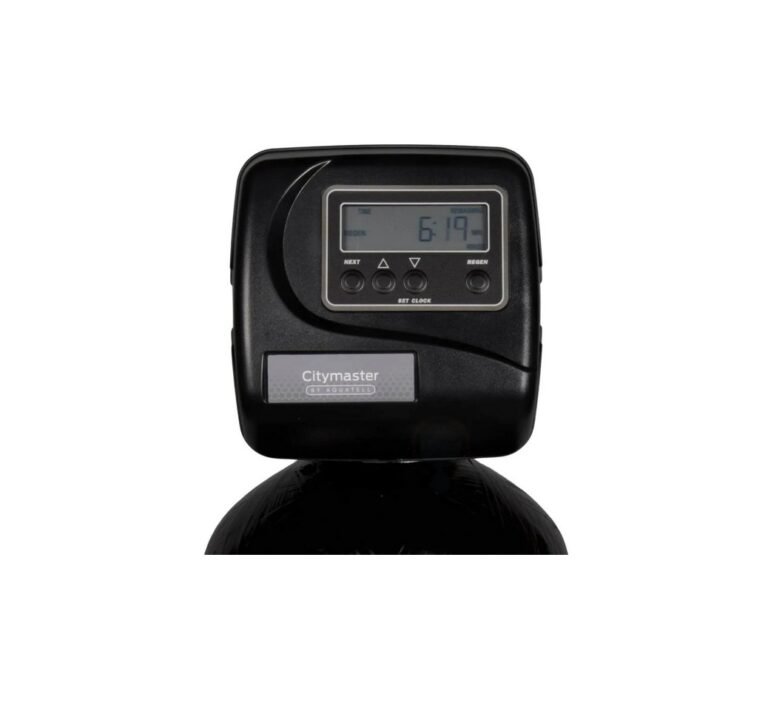
Begin by ensuring that your water softener is receiving power. Inspect the power cord, and confirm that it is plugged in securely. If the unit is not powered, reset the circuit breaker or replace any blown fuses. If the softener has a control panel, check for any error messages.
Step 2: Inspect the Salt Levels
Low salt levels can cause your water softener to malfunction. Open the salt tank and verify that there is enough salt present. Refill the tank with the appropriate type of salt and allow the unit to regenerate. It is important to use solar salt, evaporated salt, or rock salt, depending on the manufacturer’s recommendations.
Step 3: Examine the Resin Bed
If your water is still hard, the resin beads may be exhausted. Inspect the resin bed through the brine well or salt tank. If you notice signs of fouling, it may require rejuvenation with resin cleaner. Follow instructions specific to the cleaner and perform a full regeneration cycle to restore efficiency.
Step 4: Inspect the Brine Line
Check for blockages or kinks in the brine line, which can prevent proper salt dissolution. Clean any obstructions and ensure the line is properly connected. A malfunctioning brine float can also cause issues; ensure that it moves freely and does not stick.
Step 5: Check the Water Hardness Setting
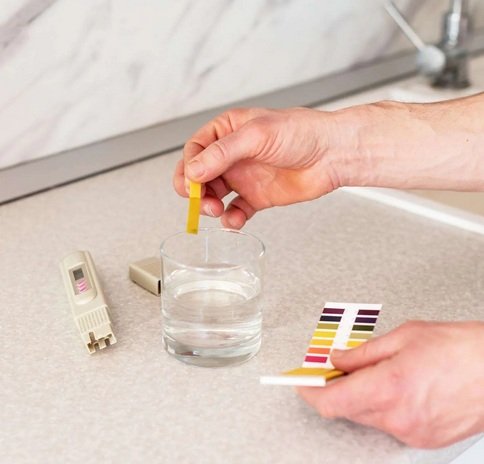
Verify that the hardness setting on your softener is appropriately adjusted to match the level of hardness in your water supply. If the settings are incorrect, consult the owner’s manual to recalibrate it according to your water hardness test results.
Through this systematic approach, you can effectively troubleshoot common water softener problems and restore optimal functionality. Identifying and addressing these issues promptly can ensure that your system operates efficiently.
When to Call a Professional
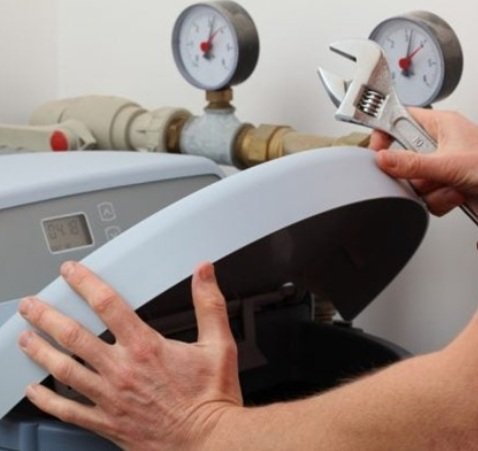
While many water softener issues can be tackled effectively through DIY troubleshooting, there are specific situations in which professional intervention is essential. Understanding these scenarios is crucial to maintaining the proper functionality of your water softening system and preventing further complications.
One clear sign that you may need to consult a qualified technician is if your water softener is experiencing repeated malfunctions. If the system consistently fails to regenerate, produces excessive hardness in water, or exhibits erratic behavior despite your attempts at resolving these issues, professional service may be required. Such persistent problems may indicate underlying complexities that are beyond the typical home maintenance capabilities.
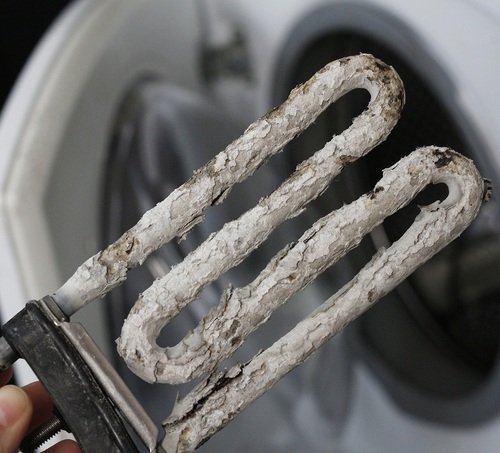
Additionally, if you detect unusual noises, leaks, or excessive mineral buildup, these red flags warrant immediate professional attention. Unresolved leaks can lead to more significant damage over time, and any unusual operational sounds could indicate mechanical failure that requires specialized repairs.
Another scenario necessitating professional involvement involves error codes or warning lights that appear on your water softener’s display. Many systems come equipped with diagnostic features that alert users to specific problems. If you are unable to interpret these indicators or apply the recommended fixes outlined in the manual, it is advisable to engage a professional technician who is well-versed in the operation and repair of your particular model.
When it comes to selecting a qualified technician, ensure you research individuals or companies with a track record of reliability and expertise in water softeners. Verify credentials, seek customer testimonials, and inquire about warranty options on repairs performed. By addressing complex issues promptly with the help of an expert, you will safeguard the longevity and effectiveness of your water softening system.