Top Tips to Extend Your Water Heater’s Lifespan
Water heaters are essential appliances in both residential and commercial settings, providing hot water for various uses, including bathing, cooking, and cleaning. There are several types of water heaters available in the market, each operating on different principles and having unique features. Understanding these differences is crucial for selecting the right model for your needs and ensuring its longevity.
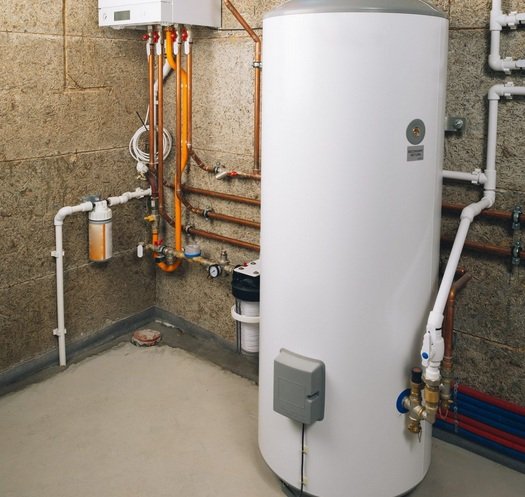
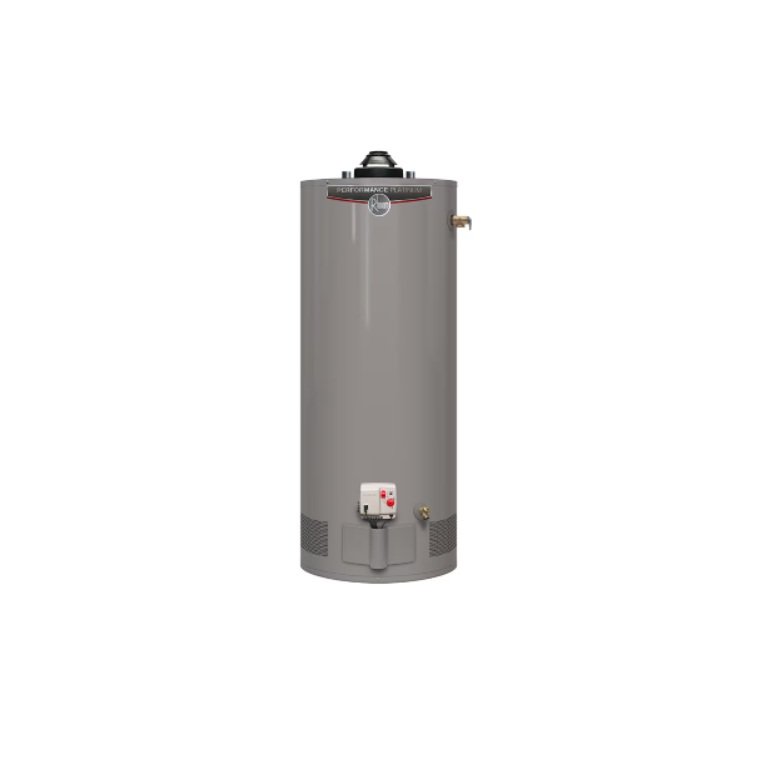
One of the most common types is the traditional tank water heater, which stores a significant volume of water, typically between 20 and 80 gallons. This type continuously heats the water to maintain the desired temperature. Its average lifespan is around 10 to 15 years. However, factors such as the quality of installation, frequency of use, and regular maintenance can affect its durability.
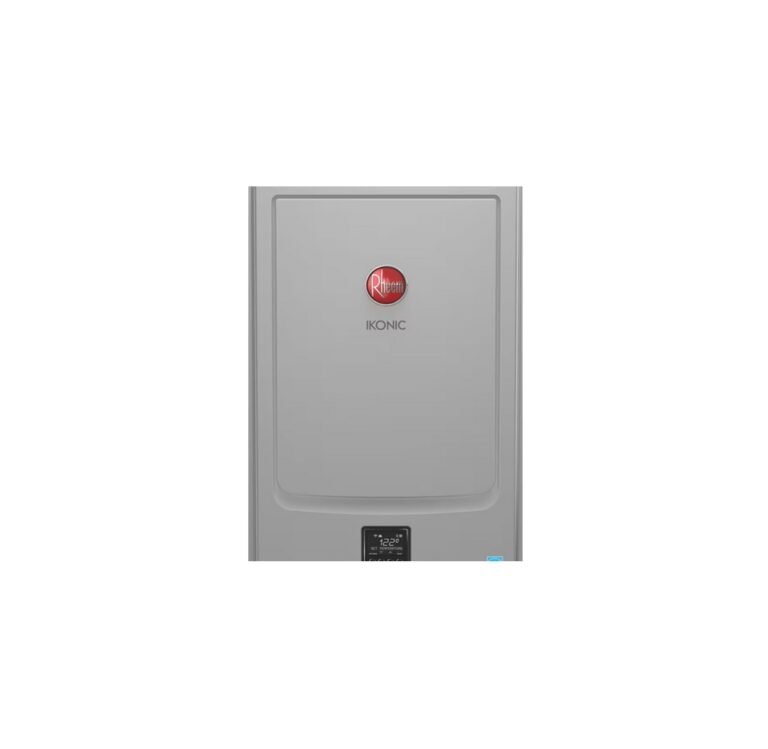
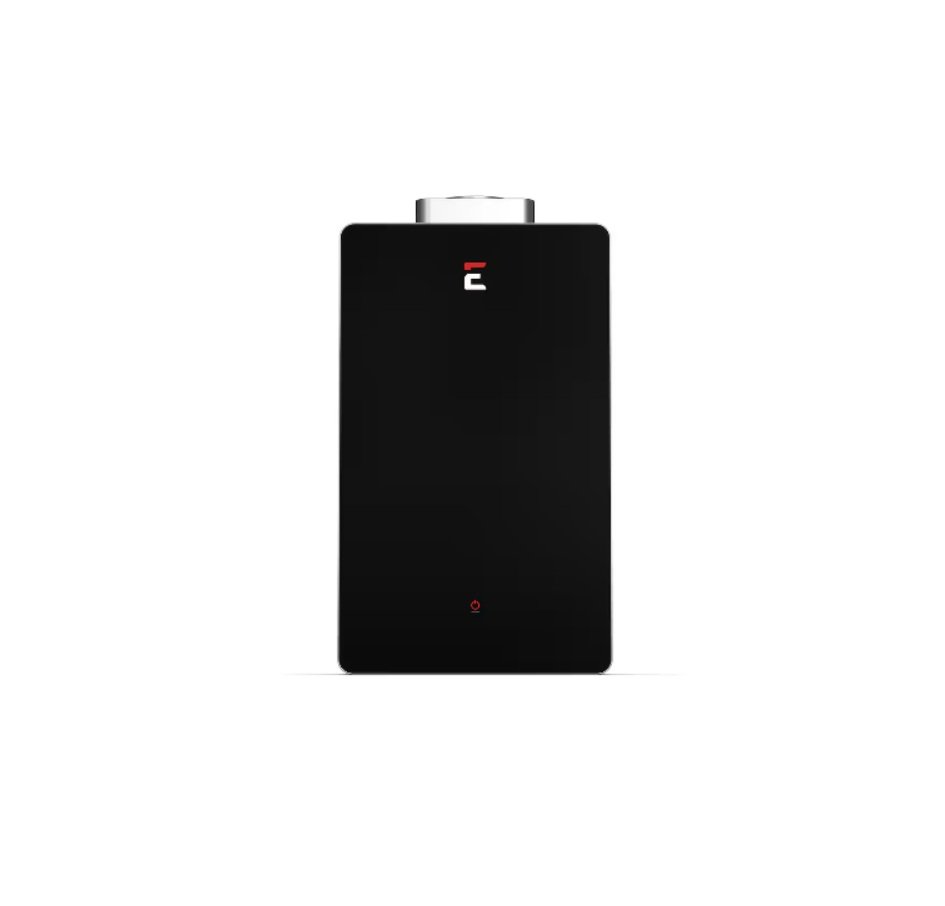
On the other hand, tankless water heaters, also known as instantaneous water heaters, do not store water but heat it on demand. This design provides hot water more efficiently and has a longer average lifespan of 20 years or more due to less wear and tear. These heaters are particularly beneficial for households with lower hot water needs, as they can reduce energy costs significantly.
Solar water heaters utilize renewable energy to heat water, thus reducing reliance on fossil fuels. Their lifespan can exceed 20 years with proper maintenance, but their efficiency can be influenced by geographic location and weather conditions. Additionally, there are heat pump water heaters that transfer heat from the air or ground to heat water; these systems typically last around 15 years.
Ultimately, a thorough understanding of water heater types and their operational mechanisms can significantly impact maintenance strategies and decisions. By selecting the right water heater and providing appropriate care, homeowners can enhance the lifespan and performance of this crucial appliance.
Regular Maintenance is Key
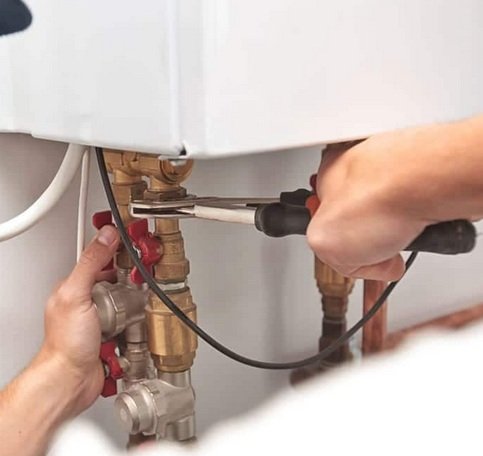
To ensure the longevity of your water heater, implementing a regular maintenance schedule is essential. One of the most important tasks in this regard is flushing the tank, which should ideally be performed at least once a year. Over time, sediment can accumulate at the bottom of the tank, leading to inefficiencies and potential damage. By flushing the tank, homeowners can remove this buildup and enhance the unit’s overall performance and lifespan.
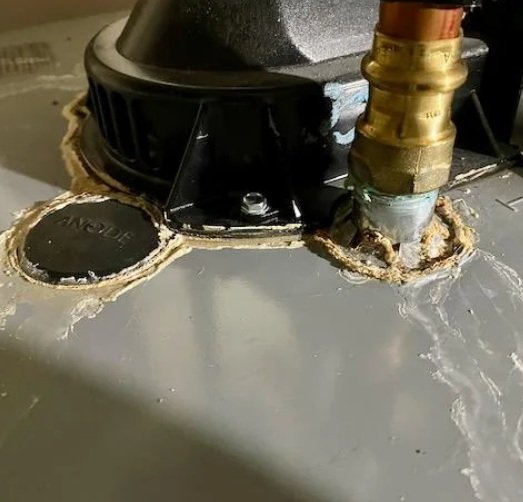
Another critical maintenance task is inspecting the anode rod, which plays a vital role in preventing corrosion inside the water heater. The anode rod, typically made of magnesium or aluminum, attracts corrosive elements in the water. It is advisable to inspect this rod every two to three years, and replace it if it has corroded more than 75%. This simple yet effective measure can significantly extend the life of the water heater by minimizing the risk of leaks and rusting.
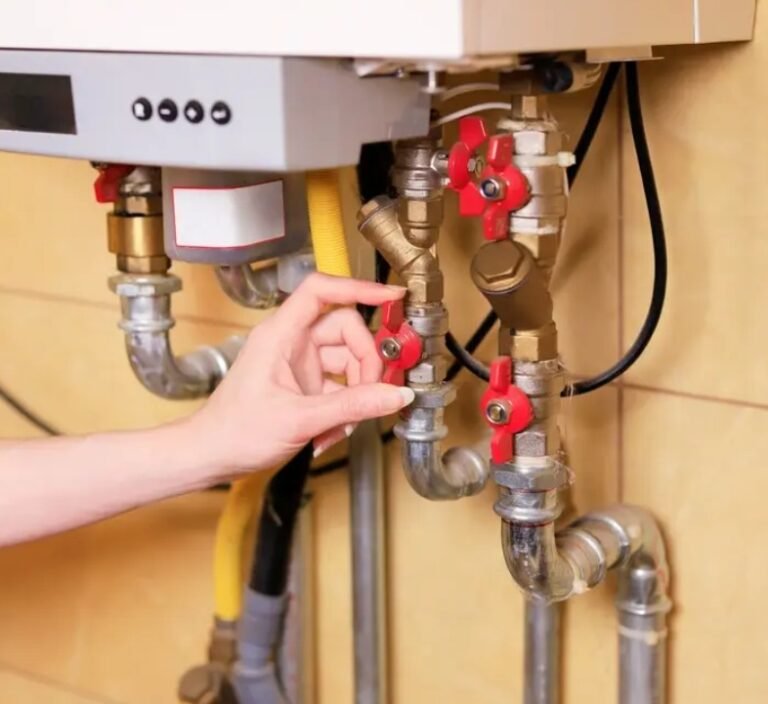
Furthermore, periodic inspections of the unit for signs of wear and tear are crucial. Homeowners should check for any leaks, rust spots, or unusual noises that may indicate a problem. Additionally, the temperature and pressure relief valve should also be tested annually to ensure it is functioning properly. Properly maintaining these components not only contributes to the water heater’s operational efficiency but also enhances safety. Conducting these routine maintenance tasks will ensure your water heater operates effectively and lasts longer, safeguarding your investment. Maintaining a comprehensive checklist can help streamline these processes and ensure that no essential task is overlooked. Regular maintenance ultimately promotes better energy efficiency and can lead to significant savings on utility bills.
Setting the Right Temperature
Setting the appropriate temperature for your water heater is crucial for both efficiency and safety. Water heaters typically operate efficiently when set at 120 degrees Fahrenheit (49 degrees Celsius). This temperature not only effectively meets the needs for daily hot water usage but also minimizes the risk of scalding. For households with young children or elderly members, maintaining this temperature can prevent serious burns while providing ample hot water for bathing and cleaning purposes.
Conversely, setting the thermostat higher than necessary can lead to a waste of energy. When the water heater is set above 140 degrees Fahrenheit (60 degrees Celsius), it increases the energy consumption significantly, resulting in higher utility bills. Moreover, excessive heat can accelerate the wear and tear on the unit due to the increased cycle of activity, which may necessitate more frequent repairs or even premature replacement.
Additionally, water heaters functioning at elevated temperatures can foster the growth of harmful bacteria, such as Legionella, which thrive in water systems that are between 68 and 113 degrees Fahrenheit (20 and 45 degrees Celsius). To mitigate these risks while ensuring energy efficiency, it is prudent to keep your water heater’s thermostat set at or slightly below the recommended 120 degrees Fahrenheit. Regularly inspecting your water heater’s settings, particularly after maintenance or service, can safeguard against accidental overheating.
In conclusion, maintaining the right temperature for your water heater not only enhances its lifespan but also promotes safety and energy efficiency within your home. Regular adjustments and diligent monitoring will contribute to both optimal performance and cost savings over time.
Signs It’s Time for a Replacement
Identifying when your water heater is nearing the end of its useful life is crucial for maintaining efficiency and preventing unexpected crises. Several key indicators can signal that it may be time for a replacement.
Firstly, listen for unusual noises coming from the water heater. If you hear rumbling or banging sounds, this could be a sign of sediment buildup or a malfunctioning heating element. These noises typically mean that the unit is working harder than it should, which can significantly shorten its lifespan.
Secondly, pay attention to leaks. Any visible water pooling around the base of the water heater or dripping from the unit indicates a problem. Even small leaks can worsen over time and lead to significant damage to your home, signaling that a replacement may be necessary.
Moreover, consider the water temperature output. Inconsistent or insufficient hot water can signify several issues, from faulty thermostats to more significant internal failures. If you find yourself taking lukewarm showers or running out of hot water quicker than before, it may be time to evaluate your heater’s operational efficiency.
Age is another vital factor; most water heaters have a lifespan of about 8 to 12 years. If your unit is approaching this age, it’s wise to assess its performance regularly. Taking preventive measures now can save you costly repairs later.
Lastly, if you are frequently repairing your water heater, this is a clear signal that it is time for a replacement. Paying for repeated repairs can often outweigh the investment in a new, more energy-efficient model.