Top Benefits of Installing a Water Softener in Your Home
Hard water is defined as water that contains a high concentration of dissolved minerals, primarily calcium and magnesium. When groundwater flows through soil and rock formations, it dissolves these minerals, resulting in hard water. This phenomenon is common in many regions across the world, particularly in areas with limestone, chalk, or gypsum deposits that release calcium and magnesium ions into the water supply.
The prevalence of hard water varies significantly by location. For instance, regions with significant geological formations, such as the Midwest and the Great Plains in the United States, often experience hard water issues, while other areas with softer water sources, typically those fed by glaciers or heavy rainfall, might not face the same challenges. The level of hardness in water is usually measured in parts per million (ppm) and categorically classified as soft (0-60 ppm), moderately hard (61-120 ppm), hard (121-180 ppm), or very hard (over 180 ppm).
The impact of hard water on daily life can be considerable. Homeowners often notice distinct signs of hard water issues, such as limescale buildup on faucets, showerheads, and dishwashers. Additionally, persistent soap scum in bathtubs and sinks, dull laundry, and increased energy bills due to inefficient appliances are also common indicators. Furthermore, hard water can affect skin and hair health, leading to dryness and irritation, thereby influencing one’s overall quality of life.
Understanding the nature of hard water is crucial for homeowners, allowing them to recognize the signs of hard water problems and consider solutions such as the installation of a water softener. By addressing hard water issues, individuals can improve their household’s water quality, prolong the life of appliances, and enhance their overall well-being.
Health Benefits of Softened Water
Softened water has been associated with numerous health benefits that can enhance overall well-being. One of the most significant advantages is its positive impact on skin health. Hard water contains high levels of minerals such as calcium and magnesium, which can lead to skin dryness and irritation. In contrast, softened water, which is free from these minerals, is gentler on the skin. Individuals suffering from conditions such as eczema or psoriasis may find that bathing or showering in softened water reduces flare-ups and improves their skin condition.
Furthermore, softened water has been noted for its ability to enhance hydration. The absence of hard minerals means that softened water is not only easier on the skin but also more conducive to maintaining optimal hydration levels. This is particularly beneficial when consumed as drinking water, as the body can more readily absorb the moisture. Enhanced hydration can lead to various benefits including improved digestion, increased energy levels, and better overall physical performance.
Additionally, the use of a water softener may support the body’s nutrient absorption. Research suggests that when drinking water is softened, it can assist in delivering essential nutrients more effectively. This is particularly significant for individuals who may not consume a balanced diet or those in need of supplementation. By improving the mineral balance in our bodies through better water quality, individuals might experience enhanced health outcomes.
In summary, the health benefits of softened water extend beyond mere convenience. With improvements in skin health, hydration, and nutrient absorption, investing in a water softener can yield significant dividends for well-being.
Benefits for Home Appliances and Plumbing
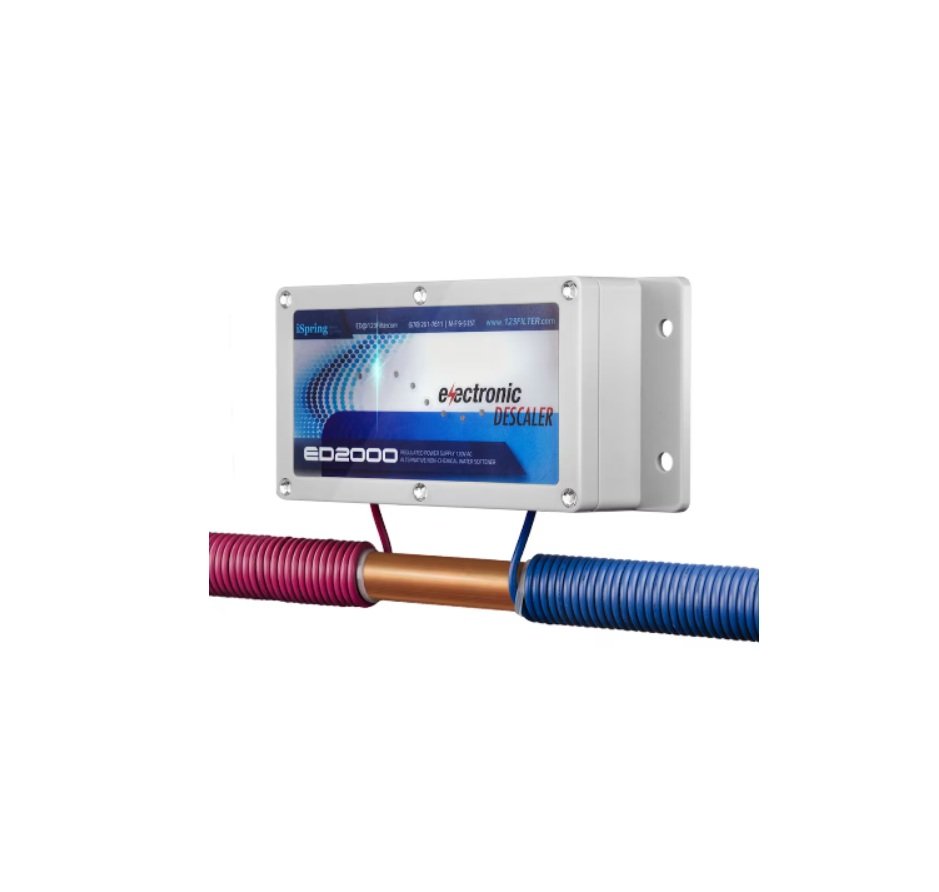
Installing a water softener in your home can significantly enhance the longevity of both your plumbing systems and household appliances. Hard water, characterized by high mineral content, typically contains calcium and magnesium ions that contribute to scaling. This scale buildup can lead to various problems within plumbing networks, causing blockages and decreased water flow, which can be costly to repair. Over time, these minerals can accumulate on the interior surfaces of pipes, potentially leading to significant deterioration and necessitating premature replacements.
In the context of home appliances, hard water poses similar threats. Dishwashers, washing machines, and water heaters are particularly susceptible to damage due to scale formation. For example, the heating elements in water heaters can become encrusted with mineral deposits, severely reducing their efficiency and lifespan. Consequently, homeowners may find themselves investing heavily in repairs or replacements, further stressing their budgets.
Using softened water, on the other hand, can mitigate these detrimental effects. Softened water not only reduces the likelihood of scale buildup in pipes but also enhances the performance of appliances. When these devices are free from mineral deposits, they operate more efficiently, consume less energy, and can extend their operational lifespan. For instance, washing machines equipped with softened water can lead to better detergent performance, allowing clothes to be cleaned more effectively and requiring less detergent overall.
Moreover, the cost savings associated with reduced maintenance and operational efficiency can offset the initial investment in a water softener. Homeowners who switch to softened water often experience fewer plumbing issues and better appliance performance, resulting in long-term cost benefits that make the addition of a water softener a prudent decision.
Environmental and Economic Advantages
Installing a water softener in your home presents numerous environmental and economic advantages, making it a wise investment for homeowners. One of the primary environmental benefits is reduced soap usage. Hard water often requires more soap and detergent to achieve effective cleaning results. With softened water, homeowners can use less soap, which not only saves money but also lessens the chemical runoff into local waterways, promoting a cleaner environment.
Furthermore, decreased soap usage can lead to a reduction in water waste. Households with hard water may often run their dishwashers or washing machines longer to eliminate soap scum or mineral build-up, resulting in increased water consumption. Conversely, water softeners help minimize this problem, allowing appliances to operate more efficiently and reducing overall water use.
From an economic standpoint, the installation of a water softener can yield significant long-term savings. Hard water can lead to scale build-up in pipes and appliances, which may result in costly repairs or replacements over time. By preventing scale accumulation, water softeners protect plumbing systems and extend the life of water-using appliances such as dishwashers, heaters, and washing machines. Ultimately, these savings can enhance your household budget.
Moreover, many home buyers consider water quality when searching for a property. Homes equipped with a water softener may command a higher market value, presenting an added economic advantage. As such, effectively improving the water quality in your home through a water softener not only benefits your health and lifestyle but also represents a sound investment for the future.