Tips for Improving Your Home’s Water Quality

Water quality refers to the physical, chemical, and biological characteristics of water, which collectively determine its suitability for various uses, particularly for drinking and household consumption. Several parameters play a crucial role in assessing water quality, including taste, odor, color, turbidity, and the presence of certain chemicals. Each of these factors can impact not only the palatability of water but also its safety for human health.
One of the primary indicators of water quality is its taste and odor. Water that tastes or smells unpleasant may indicate contamination or the presence of harmful substances. Color and turbidity—cloudiness induced by suspended particles—are both vital metrics. Clear, colorless water typically signals good quality, while cloudy or discolored water can be a warning sign of impurities.
Moreover, the chemical composition of water is essential in determining its quality. Contaminants such as lead, chlorine, and bacteria can significantly impair health and well-being. Lead often finds its way into home water systems through corroded plumbing, while chlorine, although used as a disinfectant, can lead to adverse effects if present in excessive amounts. Bacteria introduce additional health risks, leading to gastrointestinal illnesses and other serious health concerns.
Maintaining high water quality in the home is imperative, as it not only affects individual health but also influences the overall environment. Good water quality contributes to better skin health, improved hydration, and reduces the risk of chronic diseases. By understanding water quality and its components, homeowners can take appropriate actions to ensure they are consuming clean and safe water. The benefits of maintaining high water quality extend beyond personal health—they encompass the well-being of families and communities as a whole.
Conducting a Water Quality Test: Importance and Process
Testing the quality of your home’s water is a fundamental step in ensuring not only its safety but also the well-being of those who use it. Understanding the contaminants that may be present in your water supply helps inform necessary improvements and interventions. Contaminants can range from heavy metals, such as lead, to biological impurities like bacteria, which can pose serious health risks if left unaddressed.
There are several methods available for conducting water quality tests. Home test kits are widely accessible and can provide results for key contaminants such as chlorine, nitrates, pH, and hardness. These kits typically come with detailed instructions, allowing homeowners to sample their water and analyze it in the comfort of their own homes. However, while convenient, these kits might not cover all possible contaminants, especially harmful industrial chemicals.
For a more comprehensive analysis, professional lab testing is recommended. These services can detect a broader range of pollutants and provide a detailed report of the water’s condition. Many local health departments or private labs offer testing that meets state and federal guidelines. Submitting a water sample to a certified laboratory can yield more accurate results and help pinpoint specific issues that may require further attention.
Interpreting the results of your water quality test is crucial. Common issues include elevated levels of lead, presence of coliform bacteria, or excessive hardness, which can all affect health and household appliances. Understanding these results empowers homeowners to act decisively, whether that means installing water filters, conducting further testing, or consulting with a water quality expert.

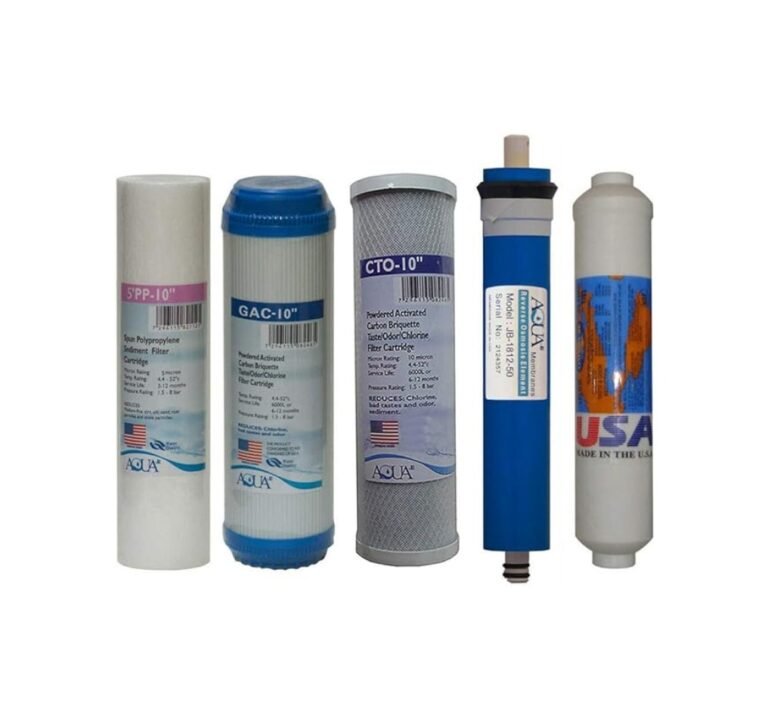
Ensuring that your home’s water quality meets safety standards is paramount for the health of your household. Fortunately, there are several practical solutions that homeowners can adopt to enhance their water quality effectively. One prominent option is the installation of an activated carbon filter, which can significantly reduce contaminants such as chlorine, sediment, and volatile organic compounds (VOCs) from your water supply. This type of filtration system is not only cost-effective but also easy to maintain, making it an excellent choice for those seeking improved water quality.
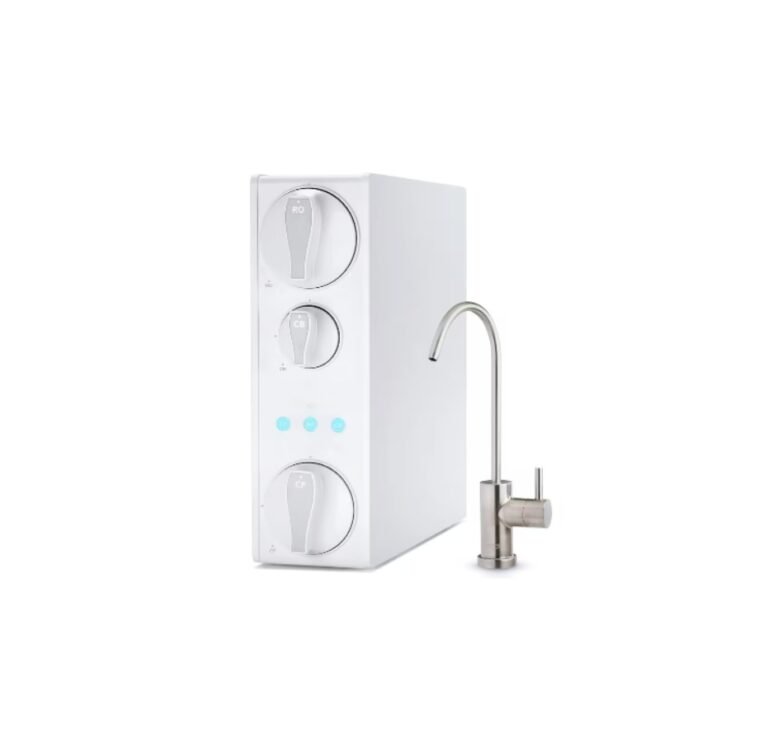
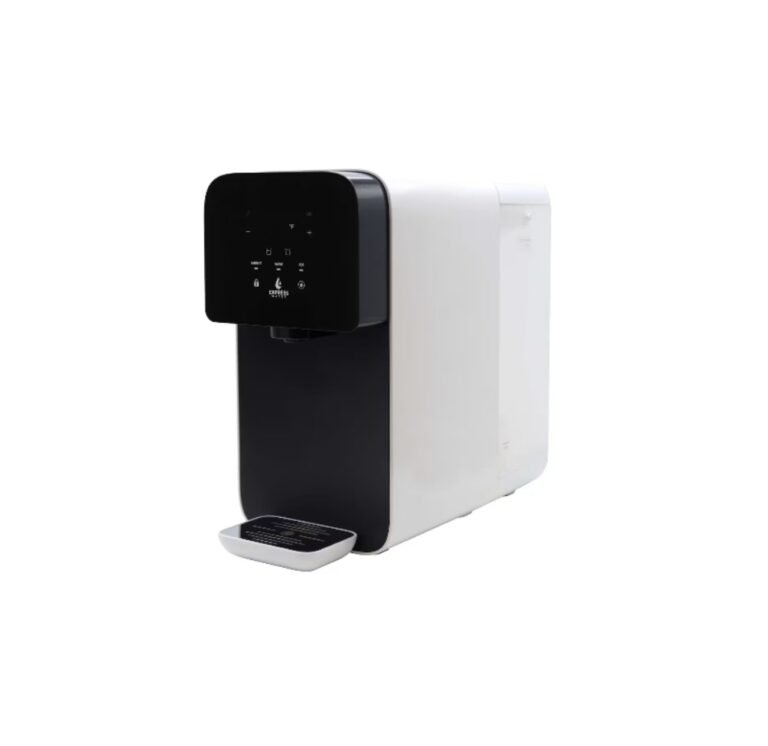
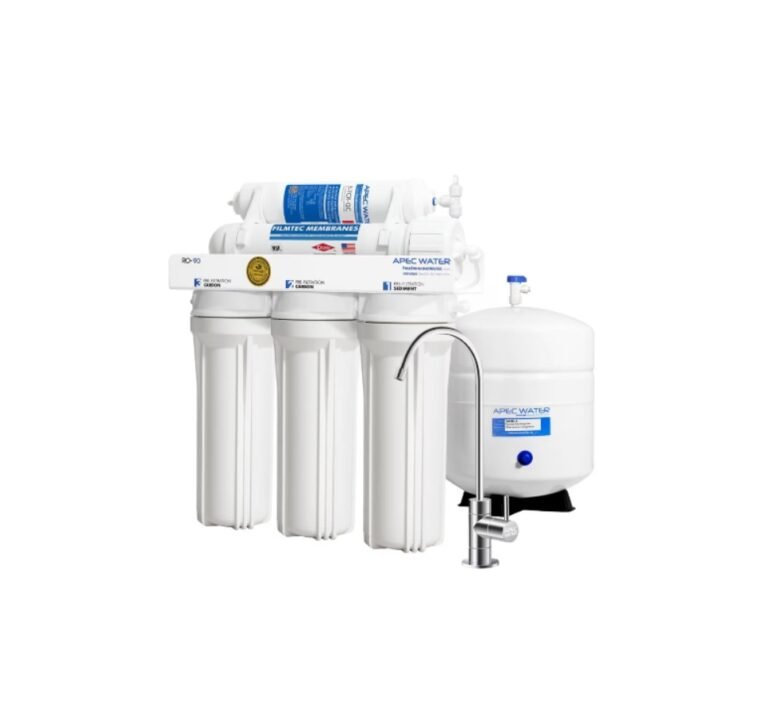
Another highly recommended filtration method is the reverse osmosis system. This technology works by pushing water through a semipermeable membrane, thus eliminating a wide range of impurities, including heavy metals and harmful microorganisms. While the initial investment may be higher, the long-term benefits in terms of water safety and freshness can outweigh the costs.
For households facing issues with hard water, a water softener can be a viable solution. Hard water contains high levels of calcium and magnesium, leading to mineral buildup in plumbing and appliances. A water softener helps mitigate these issues by replacing these minerals with sodium ions, thus improving not only the quality of your drinking water but also its impact on your home’s plumbing infrastructure.
In addition to filtration systems, regular maintenance of existing water systems is crucial. Homeowners should schedule periodic inspections and cleanings of their water heaters, pipes, and filters to ensure optimal performance. Replacing old or corroded pipes can also mitigate risks associated with lead and other contaminants. Furthermore, providing proper storage for drinking water is essential. Use clean, food-grade containers and keep them in a cool, dark place to further extend the quality of your water. Implementing these simple yet effective measures can significantly improve your home’s water quality and provide peace of mind regarding the health of your family.
Long-Term Maintenance and Monitoring for Optimal Water Quality
Ensuring optimal water quality in your home is not just a one-time effort; it requires ongoing maintenance and regular monitoring to protect your health and wellbeing. Establishing a routine schedule for testing your water is crucial. Consider conducting water tests at least once a year to detect any potential contaminants, such as heavy metals, bacteria, or chemical pollutants. This proactive approach allows you to promptly address any water quality issues that may arise.
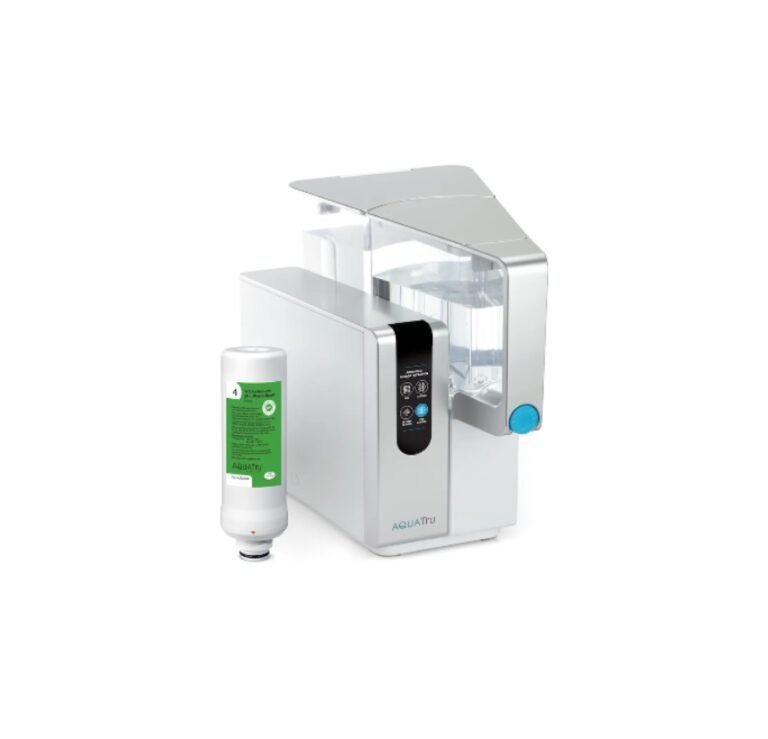
In addition to regular testing, maintaining your filtration and purification systems is essential for achieving high water quality standards. Filters should be replaced according to the manufacturer’s recommendations, as clogged or outdated filters can lead to decreased efficiency and potential contamination. Furthermore, ensuring that your water softeners and reverse osmosis systems are functioning properly will contribute to the overall quality of your water supply. A periodic check-up of these systems can safeguard against unforeseen issues.
It is also vital to keep your plumbing infrastructure in good condition. Regular inspections for leaks and corrosion in your pipes can help prevent the ingress of harmful substances into your water supply. Investing in reliable plumbing maintenance can prolong the lifespan of your system and ensure the continued quality of your water.
Moreover, staying informed about your local water quality reports is key to understanding the broader context of your water supply. These reports provide valuable insights into potential risks and the safety of community water sources. As a homeowner, you can advocate for improvements in local water sources by participating in community discussions and supporting relevant initiatives aimed at ensuring safe drinking water for all residents.