The Ultimate Guide to Checking and Adjusting Water Pressure in Your Home
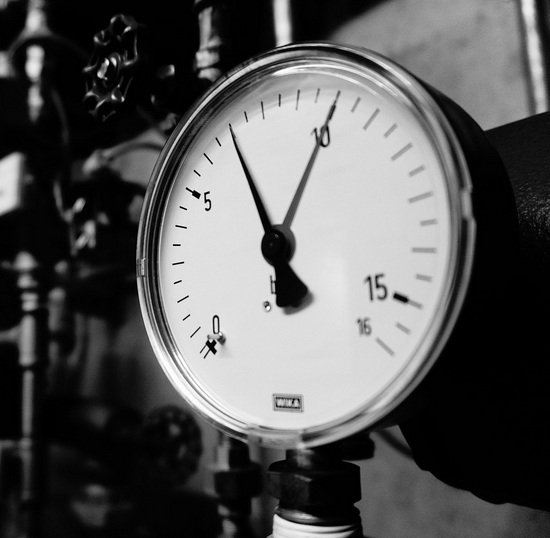
Water pressure refers to the force with which water is delivered through pipes in a home. It is a crucial element in ensuring that water is available in sufficient quantities for various daily activities, such as showering, washing dishes, and watering gardens. The measurement of water pressure is indicated in pounds per square inch (psi). Typically, the average water pressure in a residential setting ranges from 40 to 60 psi, which is considered optimal for most household tasks.
The significance of maintaining appropriate water pressure cannot be overstated. If the pressure is too low, household activities may become cumbersome; for instance, a weak shower stream can be frustrating, and washing dishes may become less efficient. Conversely, excessively high water pressure can lead to plumbing issues, including pipe leaks and fixture damages. Therefore, understanding and regulating water pressure is essential for both comfort and the longevity of the plumbing system.
Several factors can influence water pressure levels in a home. One primary factor is elevation: homes situated at higher altitudes may experience reduced pressure due to the gravitational pull on water. Additionally, the size and condition of the pipes can significantly affect pressure levels; smaller or older pipes may not facilitate adequate flow, thereby lowering pressure. Local municipality regulations and the configuration of the water supply system can also play a role in determining the water pressure available to residents.
In conclusion, understanding water pressure helps homeowners ensure they maintain a comfortable and functional environment. Monitoring and adjusting water pressure, when necessary, can significantly improve the overall efficiency of daily water usage.
How to Check Your Home’s Water Pressure
Checking your home’s water pressure is an essential step in ensuring your plumbing system operates effectively. One of the simplest ways to accomplish this task is by using a water pressure gauge. This guide will outline the necessary tools, the procedure to follow, and how to interpret the results.
To start, you will need a water pressure gauge. These can be easily purchased from hardware stores or online. For the testing process, you will also require an outdoor faucet or an indoor supply line, such as a laundry sink faucet, that is connected directly to your home’s plumbing system. Before you start, make sure to gather all necessary tools, including adjustable wrenches if needed.
To check the water pressure, firstly, locate the outdoor faucet or the indoor supply line. If using an outdoor faucet, ensure it is not connected to a hose, as this may yield inaccurate readings. Next, screw the pressure gauge onto the faucet outlet, making sure it fits securely to prevent leaks. Turn the faucet on fully, allowing the water to flow unobstructed.
Observe the gauge reading. A typical residential water pressure range is between 40 to 60 psi (pounds per square inch). If the reading falls below 40 psi, you may experience issues such as slow-filling toilets or inadequate shower flow, which indicate low water pressure. Conversely, readings above 60 psi might suggest an excessively high pressure, which can lead to plumbing leaks or damage over time.
It is advisable to check your water pressure when you suspect issues, such as inconsistent water flow, noisy pipes, or frequent plumbing problems. Performing regular checks can help maintain optimal performance in your home’s plumbing system.
Common Issues Related to Water Pressure
Water pressure in a home is a critical factor that affects not only the daily comfort of its occupants but also the longevity and functionality of plumbing systems. Problems related to both high and low water pressure can lead to various complications. Understanding these common issues is essential for homeowners seeking to maintain a well-functioning plumbing system.
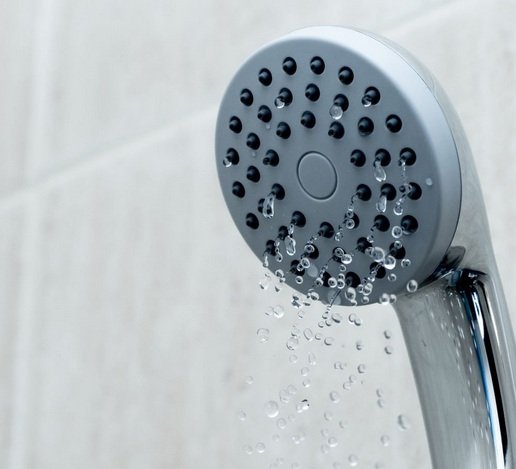
Low water pressure is often characterized by insufficient water flow from faucets and showerheads. Homeowners may notice that it takes longer to fill a bathtub or that showerheads produce a weak stream. Such inadequacies can stem from a variety of sources, including corroded pipes, mineral buildup, or leaks within the plumbing system. Over time, low water pressure can lead to appliance inefficiencies; for instance, washing machines and dishwashers may not operate effectively, resulting in longer cycles and increased water consumption. A homeowner in a suburban neighborhood recently reported that after noticing a decrease in water pressure, her dishwasher began to leave residue on dishes, highlighting a direct consequence of insufficient water flow.
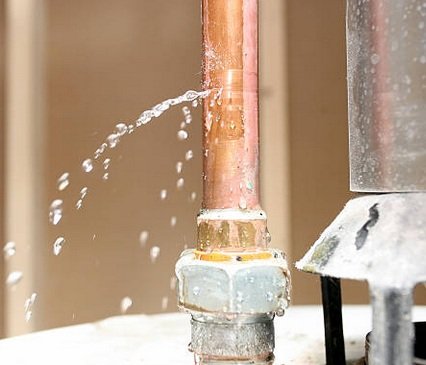
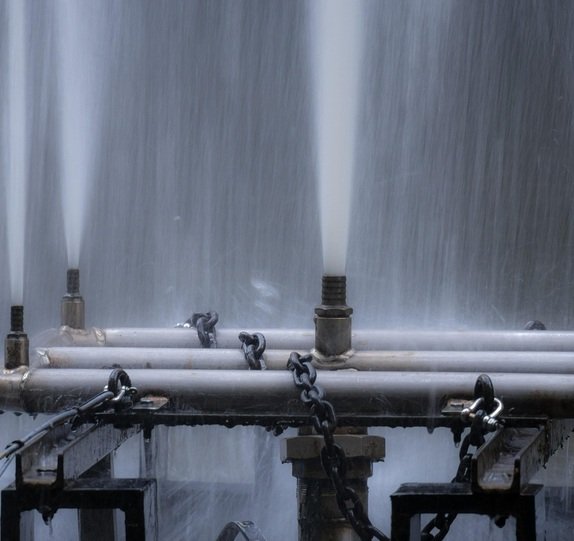
On the other end of the spectrum, high water pressure poses its own risks. This condition can cause undue stress on plumbing fixtures, leading to leaks and potential burst pipes. Over time, excessive water pressure can result in the premature wear of faucets and shower valves, necessitating more frequent replacements. A notable example occurred in a local apartment complex where residents experienced persistent leaks and water damage attributed to pressure levels surpassing recommended limits. As a result, not only did the maintenance costs rise, but residents also faced the inconvenience of plumbing repairs.
In summary, both high and low water pressure can adversely affect a home’s plumbing integrity and functionality. By recognizing the symptoms and understanding the potential consequences of these issues, homeowners can take proactive steps to address any water pressure abnormalities in their residence.
Adjusting Your Water Pressure: Techniques and Tips
Ensuring optimal water pressure in your home is essential for both comfort and the longevity of your plumbing system. Several techniques can be employed to adjust water pressure effectively. One of the primary methods is controlling the pressure regulator, if your system is equipped with one. This valve, typically located near the main water line, allows for precise adjustments—turning it clockwise typically increases water pressure, while counterclockwise lowers it. Regularly checking this regulator can prevent fluctuations and maintain stable water pressure.
Another practical method involves adjusting fixtures throughout your home. For instance, older faucets or showerheads may have flow restrictors that limit water pressure. By upgrading to modern, high-efficiency fixtures, homeowners can enhance performance dramatically while ensuring compliance with local building codes. Additionally, examining aerators and other filtration devices for clogs is crucial, as blockages can impede water flow and inflate perceived pressure issues.
In cases where the pressure is too high, installing or modifying pressure-reducing valves (PRVs) can be a necessary step. These valves help to maintain a steady pressure level throughout your plumbing system, reducing risks of damage from excessive pressure. When adjusting or installing these valves, it is advisable to follow the manufacturer’s guidelines to ensure correct functionality.
If challenges persist, such as inconsistent pressure or sudden spikes, it may be indicative of underlying plumbing issues that require professional assessment. Maintaining regular check-ups on your system and water pressure will not only enhance efficiency but also extend the life of your plumbing installations. Taking these proactive steps will minimize future problems and contribute to a smooth-running water system.