The Importance of Turning Off Power Before Servicing Your Electric Water Heater
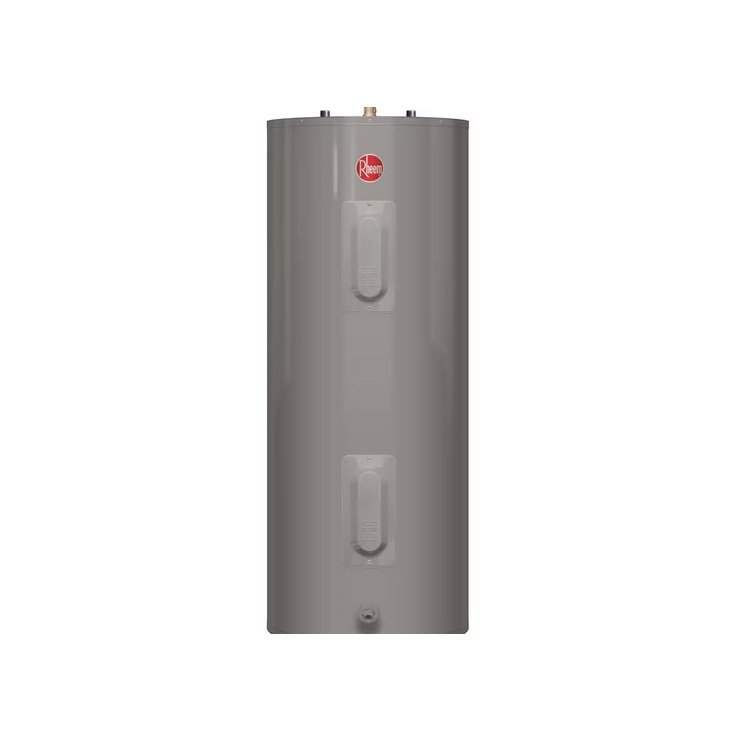
Electric water heaters are vital appliances in many households and commercial establishments, functioning to provide a consistent supply of hot water for various needs such as cooking, cleaning, and bathing. These units operate by using electricity to heat up water, distinguishing themselves from gas water heaters, which rely on gas combustion for heat. The fundamental components of an electric water heater include heating elements, a thermostat, and a tank that stores the heated water until needed.
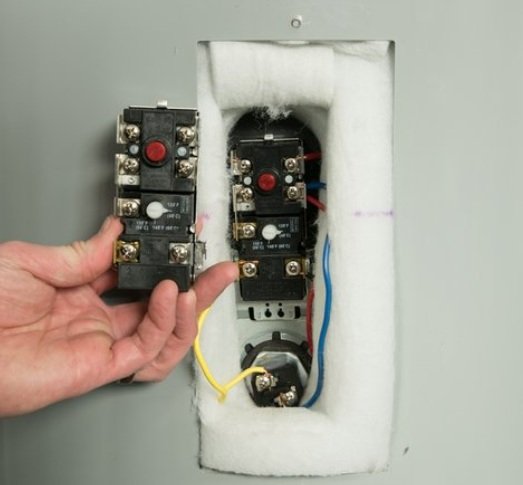
The heating elements, typically situated at the bottom and top of the tank, are responsible for warming the water. When electricity flows through these elements, they generate heat, which is then transferred to the surrounding water. The thermostat plays a crucial role in regulating the temperature, ensuring that the water is heated to the desired level and maintained accordingly. When the water temperature drops below a pre-set level, the thermostat activates the heating elements to restore warmth.
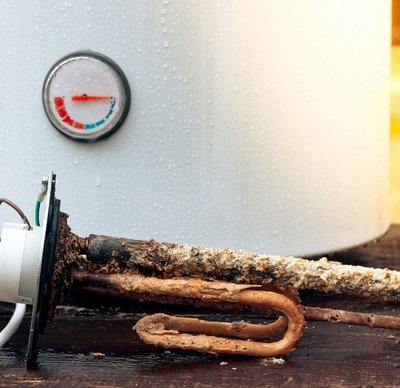
Despite their reliability, electric water heaters are not immune to issues, which may often necessitate servicing. Common problems include heating element failures, thermostat malfunctions, and sediment buildup within the tank. Such conditions can reduce efficiency and increase energy costs, underscoring the importance of regular maintenance and prompt repairs. Understanding the workings of these water heaters, along with their components and potential concerns, provides essential knowledge for homeowners and service technicians alike. This comprehension highlights the critical necessity of turning off power before conducting any service on an electric water heater to prevent electric shocks or further complications during the repair process. Proper safety protocols must always be observed in maintaining these essential appliances.
Failing to turn off power before servicing an electric water heater can lead to several significant risks that threaten both personal safety and property. One of the most severe dangers is the potential for electrical shock. Water heaters operate at high voltage and involve components that can conduct electricity. If maintenance is attempted while there is still power running to the system, the risk of accidental contact with live wires increases dramatically. Such contact can result in serious injury or even fatality, making it imperative to ensure the system is completely de-energized prior to any work being performed.
In addition to electrical shock, the risk of fire hazards cannot be overlooked. Electric water heaters generate heat, and any malfunction caused by an unaddressed electrical issue can lead to overheating. This heat can ignite nearby combustible materials, especially if the water heater is located in an area with flammable substances nearby. Moreover, ignoring proper safety protocols can create conditions for a fire to spread rapidly. Therefore, turning off power eliminates this risk and contributes to a safer work environment.
Another significant concern is the potential for equipment damage. Electrical surges or shorts may occur if the heater is manipulated while it is still powered. Such occurrences can lead to costly repairs or even necessitate a complete replacement of the heating unit. Furthermore, improperly serviced water heaters could cause leaks or other mechanical failures, leading to water damage that could impact the surrounding structure and necessitate extensive remediation efforts.
In conclusion, the importance of turning off power before servicing an electric water heater cannot be overstated. The associated risks of electrical shock, fire hazards, and equipment damage underscore the essential nature of adhering to safety measures when dealing with electrical appliances involved with water.
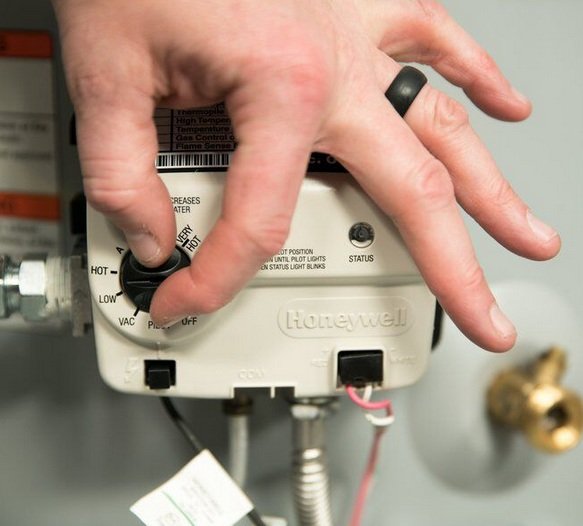
Steps to Safely Turn Off Power
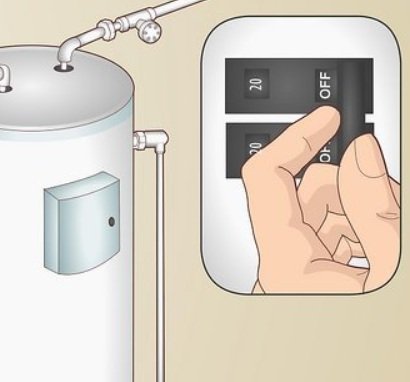
Ensuring the safety of yourself and others during maintenance of your electric water heater is paramount. The first step in this process is to locate the relevant circuit breaker in your electrical panel. Typically, the circuit breaker associated with the electric water heater will be labeled. If proper labeling is absent or if you are unsure, it is advisable to refer to the user manual or consult a professional electrician for assistance.
Once you have identified the circuit breaker, switch it to the “off” position. This action ensures that power is no longer supplied to the water heater. It is crucial, however, to follow up on this step using a voltage tester to confirm that the circuit is de-energized. A voltage tester is a simple device that allows you to check for electrical current. Touch the tester’s probes to the terminals of the water heater, and if it indicates the absence of voltage, you can proceed with confidence that the power is off.
After validating that the electricity is turned off, it is recommended to further secure the circuit breaker by placing a lockout tag on it. This helps to prevent accidental reactivation during maintenance work, which is essential to ensure safety. Additionally, if your water heater has a dedicated power switch, make sure it is also turned off. Following these steps ensures that all potential power sources are disengaged before any repairs or servicing are performed on your electric water heater. Adhering to these precautions not only safeguards your health but also protects the integrity of the appliance. Always prioritize safety when performing maintenance tasks.
Conclusion: Prioritizing Safety in Home Maintenance
In this blog post, we have highlighted the critical importance of turning off power before servicing your electric water heater. Engaging in home maintenance can be a fulfilling endeavor; however, it should always be approached with a cautionary mindset, especially when dealing with electrical components. The risks associated with neglecting proper safety protocols are substantial and can lead to severe accidents, including electrical shock or fire.
We discussed various safety measures, including the necessity of disconnecting power at the circuit breaker and ensuring that all water supply lines are handled with care. These precautions are essential not only for the safety of the individual performing the maintenance but also for the integrity of the household’s electrical system. The potential hazards involved underscore the need for awareness and adherence to safety guidelines, making it clear that one should never underestimate the importance of following these protocols.
Furthermore, it is wise to consider professional assistance when handling electric water heaters or any other electrical appliance that may pose danger if improperly managed. Licensed professionals possess the skills and knowledge necessary to navigate the complexities of electrical systems safely. Their expertise can provide peace of mind, ensuring that the work is completed correctly and minimize the risk of future problems.
In conclusion, prioritizing safety during home maintenance, particularly when dealing with electric water heaters and other electrical appliances, is paramount. Adopting safe practices will serve to protect both residents and their property, ultimately fostering a secure living environment. Awareness, preparation, and when needed, the enlistment of professional help are vital components of responsible home maintenance.