The Importance of Testing Your Water Hardness Annually
Water hardness refers to the concentration of dissolved minerals in water, primarily calcium and magnesium ions. These minerals enter the water supply through the erosion of rocks and soil, and their levels can vary significantly based on geographical location and environmental factors. Hard water typically contains high concentrations of these minerals, often leading to complications within households.
The presence of calcium and magnesium in water can have several impacts on household plumbing and appliances. For example, hard water can create scale build-up in pipes, which restricts water flow and can lead to clogs and decreased efficiency in heating appliances. Over time, this scale can also damage water heaters, dishwashers, and other household devices that rely on water. Consequently, residents may face higher energy bills and increased repair costs due to the negative effects of hard water.
Moreover, hard water has visible effects on daily activities like bathing and cleaning. It can leave soap scum on surfaces, making it difficult to rinse products like shampoos and soaps off the skin and hair. This residue can contribute to skin irritation and dryness, prompting individuals to seek alternatives that mitigate these effects. Additionally, hard water can affect laundry, leaving behind dull, stiff fabrics that are less comfortable to wear.
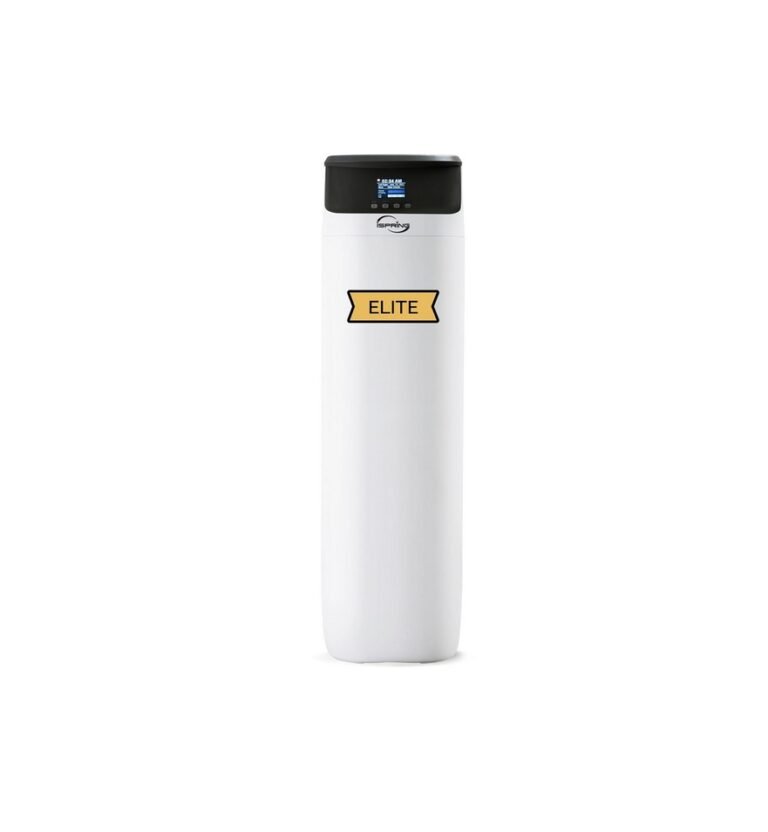
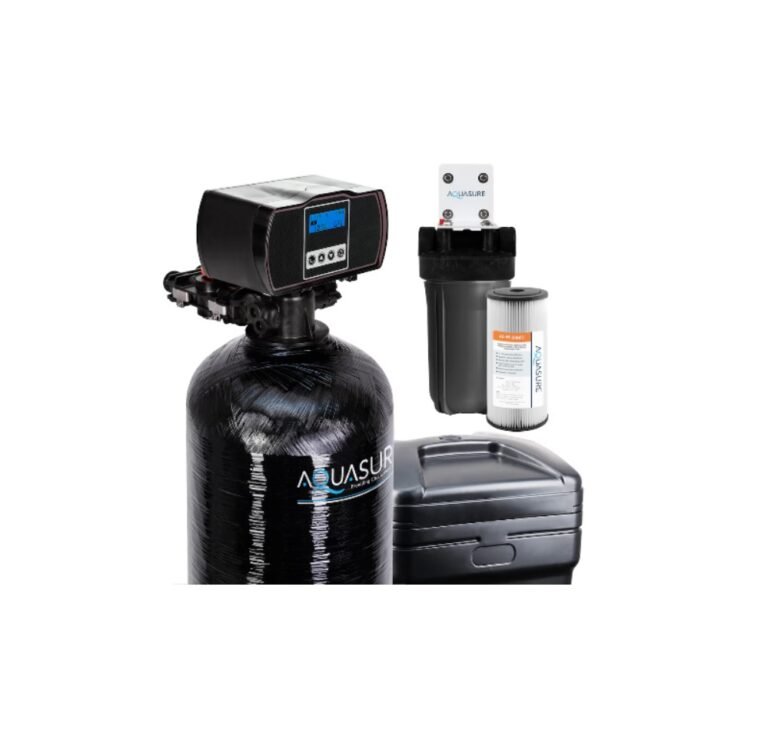
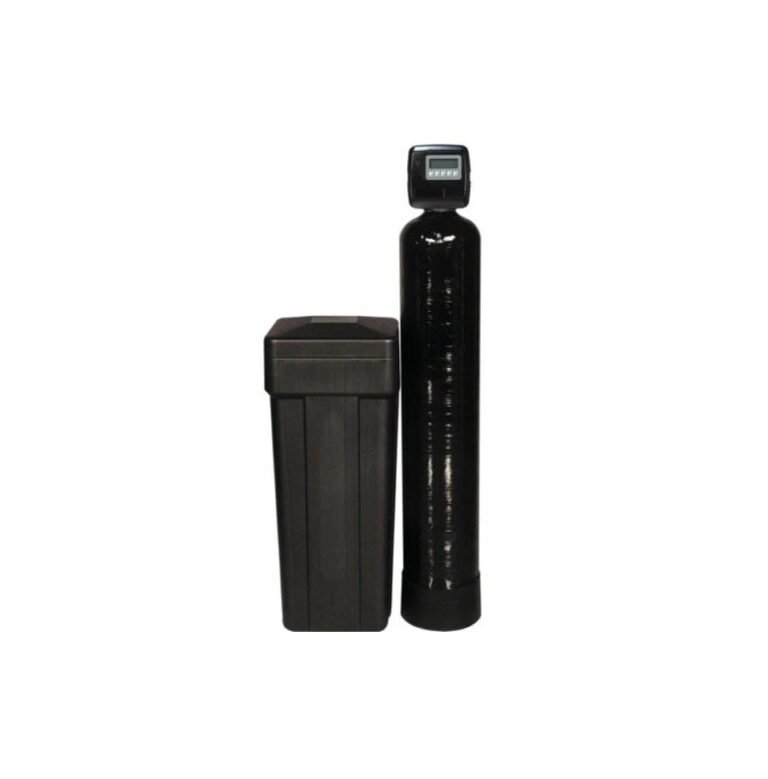
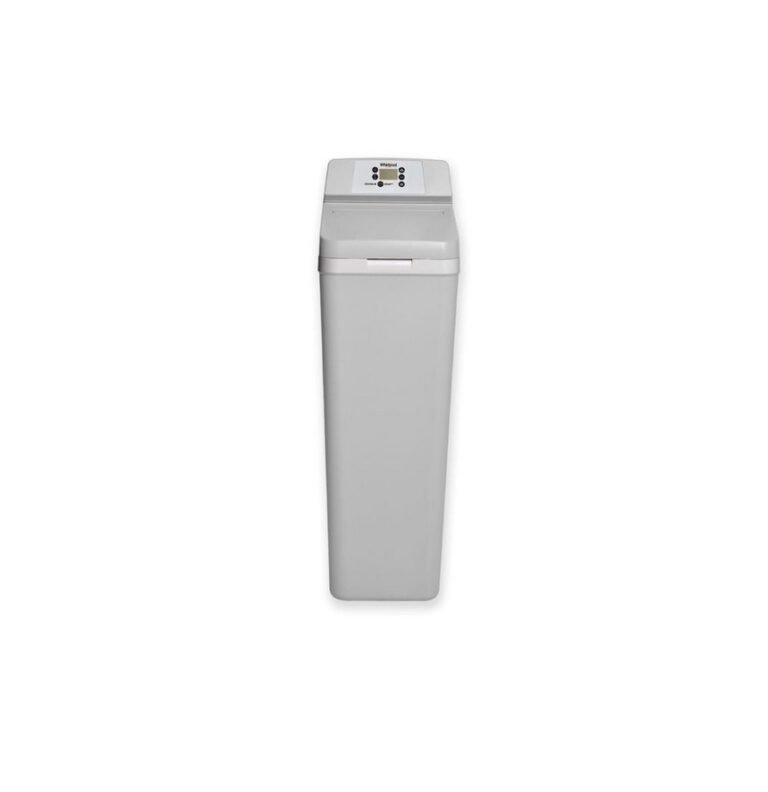
The implications of hard water have led many households to explore water softening options. Water softeners are devices that remove calcium and magnesium ions from water, replacing them with sodium or potassium ions. This process effectively reduces water hardness, thus preventing scale formation and the associated issues it causes. Understanding water hardness and its implications is essential in maintaining both household appliances and skin health.
The Benefits of Annual Water Hardness Testing
Annual testing of water hardness provides a multitude of benefits that can significantly enhance the quality of both the water supply and the appliances that utilize it. One of the primary advantages is the prevention of scale buildup within pipes and appliances. Hard water, which contains high concentrations of minerals such as calcium and magnesium, may lead to the accumulation of limescale over time. This buildup can obstruct pipes and reduce the efficiency of appliances such as dishwashers and water heaters, ultimately leading to costly repairs and replacements. By routinely monitoring water hardness, homeowners can take proactive steps to mitigate these effects.
Another noteworthy benefit of conducting annual water hardness testing is the potential to prolong the lifespan of household appliances. Appliances that are frequently exposed to hard water may suffer from diminished performance or may require more frequent repairs. Regular assessments allow for the timely implementation of water softening solutions, ensuring that these devices operate optimally for an extended period. Thus, not only are repairs reduced, but the initial investment in these appliances is also protected.
Furthermore, testing water hardness can improve the effectiveness of soaps and detergents. Hard water can hinder the sudsing action of soaps, requiring higher quantities to achieve desired cleaning results. By identifying water hardness levels, individuals can adjust their usage of cleaning products, leading to reduced expenses and better cleaning performance. Lastly, it is essential to consider the impact of hard water on health and personal care. Hard water can adversely affect skin and hair, often leading to dryness or irritation. Regular testing can help mitigate these issues, promoting overall well-being.
How to Test Your Water Hardness
Testing your water hardness is a straightforward process that can help you determine the mineral content in your water supply. There are several methods available for assessing water hardness, including test strips, liquid test kits, and professional testing services. Each method has its own advantages and can be selected based on convenience and accuracy requirements.
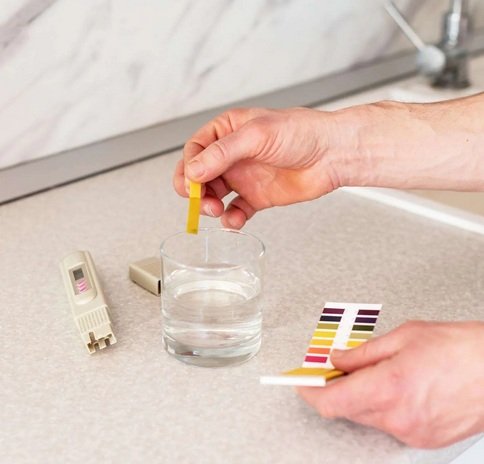
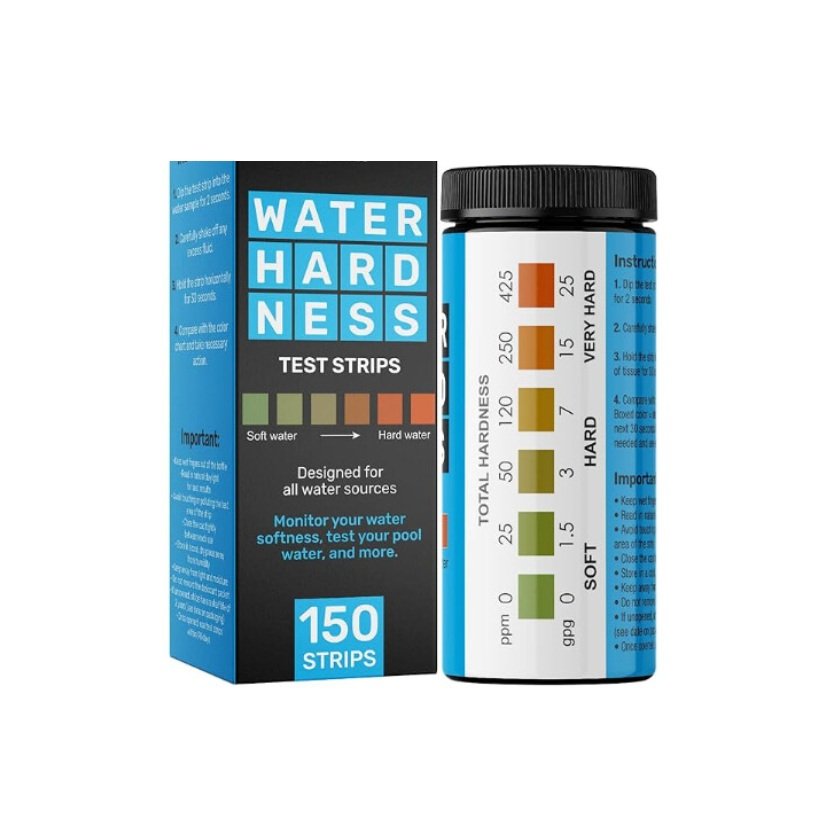
One of the simplest and most widely used methods is to use water hardness test strips. These strips are readily available online or at home improvement stores. To use a test strip, simply dip it into a sample of water and wait for the designated time, usually around 30 seconds. After this period, compare the strip’s color change against the chart provided with the testing kit. This will give you a general estimate of the water hardness, usually measured in parts per million (PPM) or degrees of hardness.
Liquid test kits are another effective alternative to measure water hardness. These kits typically involve adding a few drops of a reagent to a water sample and then observing any color changes. Similar to test strips, the resulting color can be matched to a scale that determines the level of hardness. This method may provide more accurate results than strips and can be useful for those who require precise readings.
If you prefer a more comprehensive analysis, you might consider hiring a professional water testing service. These companies will conduct a thorough examination of your water quality, including hard water levels, and provide you with a detailed report. This option is ideal for those concerned about contaminants or overall water quality.
Upon receiving your test results, it is essential to know how to interpret them. Water hardness is generally categorized as soft (0-60 PPM), moderately hard (61-120 PPM), hard (121-180 PPM), and very hard (over 180 PPM). If your water is determined to be too hard, consider installing a water softener or seeking other treatments to manage its hardness effectively.
Maintaining Your Water Softener: What to Do After Testing
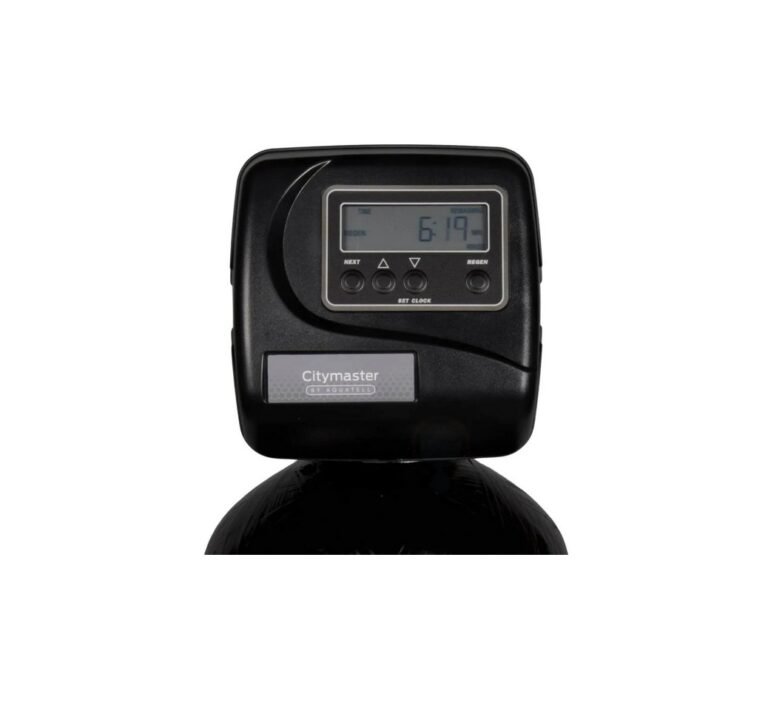
Once you have conducted your annual water hardness test, understanding how to adjust your water softener settings becomes paramount. The hardness level you obtain from your testing will guide the necessary modifications to ensure optimal performance of your system. For instance, if your water hardness exceeds the softener’s capacity, it may be essential to increase the salt dosage or regenerate the system more frequently. This proactive approach is crucial in maintaining the longevity and effectiveness of your water softener.
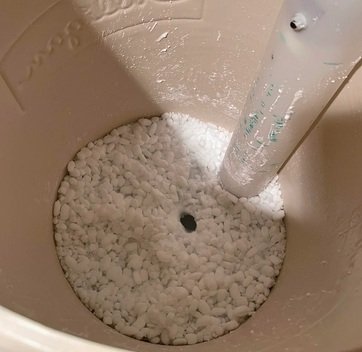
Regular maintenance of your water softener is paramount for its efficient operation. It is advisable to inspect the system periodically, checking for blockages, leaks, or any discrepancies in operation. Additionally, cleaning the resin bed and ensuring the brine tank is adequately filled with salt are important tasks. In many instances, it may be necessary to switch to a thicker salt if the hardness levels are consistently high, as this can help in optimizing the softening process and minimizing ongoing issues.
However, there may be situations where professional assistance is warranted. If you find that adjusting your settings does not yield the desired softness, it may indicate underlying complications within the system. Consulting a water treatment professional can provide insights and solutions tailored to your unique circumstances. Rather than relying solely on DIY fixes, enlisting expert help can ensure that your water softener operates at peak efficiency.
In conclusion, ongoing monitoring of your water hardness levels will assist you in determining the appropriate measures to take regarding your water softener. Adjust your settings based on test results and prioritize regular maintenance to avoid long-term issues. Whether through minor adjustments or professional evaluations, maintaining the efficiency of your system is key to ensuring soft water throughout your home.