The Importance of Labeling Your Water Heater Shut-Off Valve for Emergency Situations
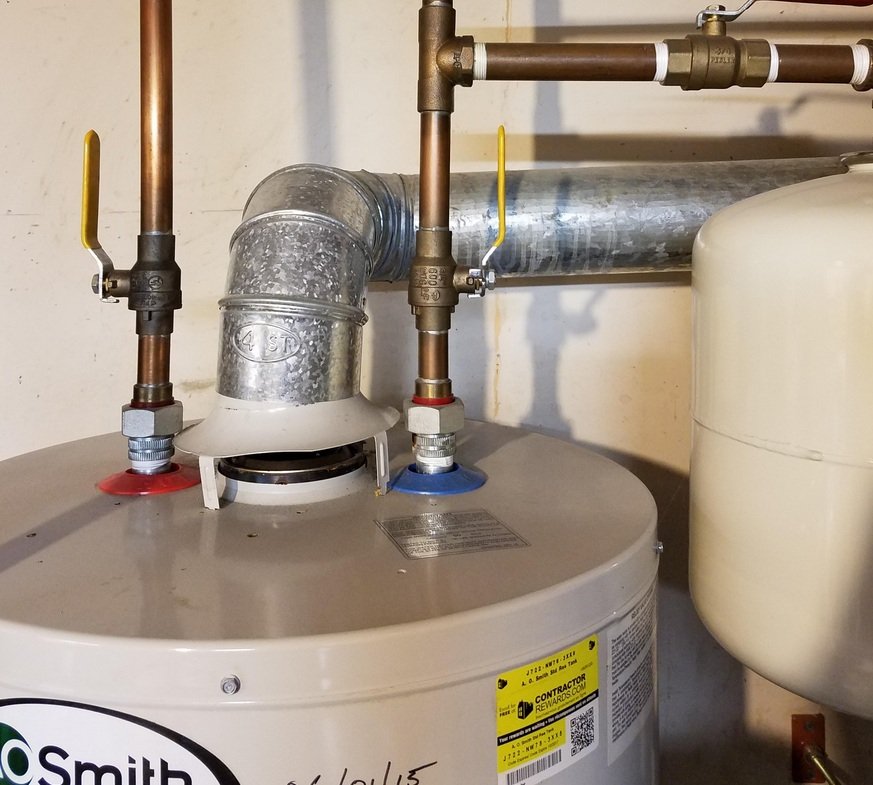
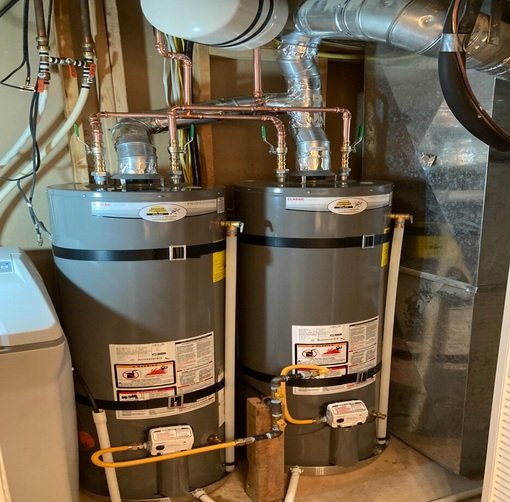
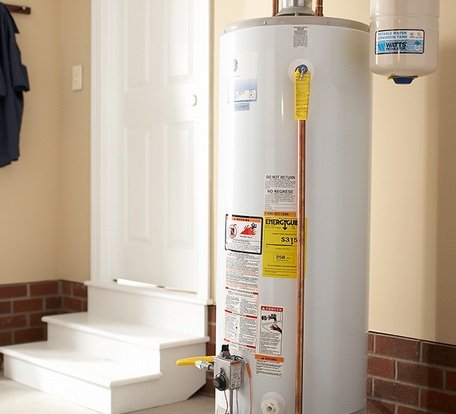
The water heater shut-off valve is a crucial component of any water heating system. This valve is typically located near the water heater and serves an essential function: it controls the flow of water to the heater. By turning this valve off, homeowners can stop the water supply to the unit during maintenance, repairs, or emergencies. This function not only helps in managing the water heater’s efficiency but also plays a vital role in preventing potential water damage.
In emergency situations, such as a leak or burst pipe from the water heater, accessing the shut-off valve quickly can mitigate extensive damage to the home. Without easy access to this valve, homeowners may find themselves dealing with significant water damage, which could result in costly repairs and disruption of daily activities. Therefore, understanding the location and operation of the shut-off valve is paramount.
The importance of clearly labeling the water heater shut-off valve cannot be overstated. If the valve is not easily identifiable, it may lead to panic and delay during an emergency situation when immediate action is necessary. Proper labeling not only assists those who may not be familiar with the system but also ensures that anyone in the household can act swiftly when needed. In addition, regular checks and maintenance of the shut-off valve are advisable to ensure it operates correctly when needed. Thus, understanding and maintaining the water heater shut-off valve is key to safeguarding one’s home from potential emergencies related to water heating systems.
Why It’s Critical to Label the Shut-Off Valve
The labeling of the water heater shut-off valve is a critical aspect of emergency preparedness for homeowners and property managers alike. In the event of a water leak or heater failure, the ability to quickly identify and access the shut-off valve can mitigate potential damage and enhance safety. When emergencies occur, individuals often experience heightened stress and urgency, which can lead to confusion. A clearly labeled shut-off valve serves as a navigational aid, enabling swift action during such crises.
For instance, a burst pipe can result in substantial water accumulation within minutes. If the shut-off valve is not easily identifiable, precious time may be lost while searching for it, allowing water to spread and cause extensive damage to flooring, walls, and personal belongings. The consequences of such delays are not only financially burdensome but can also pose safety hazards, such as electrical issues or mold growth, if left unaddressed.
Moreover, during routine maintenance or inspections of the plumbing system, having a labeled valve enhances the efficiency of the process. In situations where professional assistance is needed, technicians can quickly locate the necessary shut-off points, leading to faster resolution of plumbing issues. This accessibility is particularly important in households with multiple occupants, where not every individual may be familiar with the plumbing layout.
Furthermore, regulatory and safety standards often emphasize the importance of accessibility in emergency shut-off systems. Proper labeling aligns with these guidelines, fostering an environment where safety protocols are prioritized. Taking the time to label your water heater shut-off valve is a small yet impactful step toward ensuring the safety and security of your home.
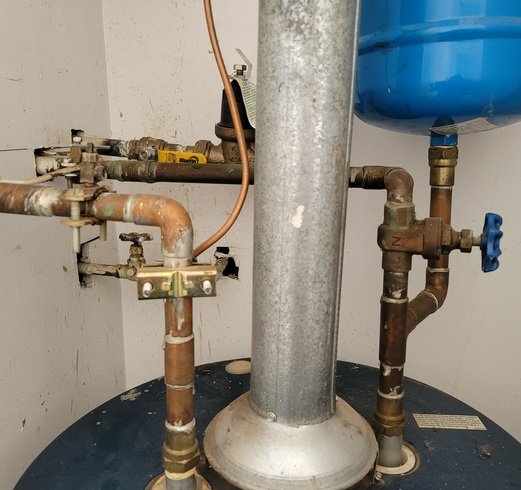
How to Properly Label Your Shut-Off Valve
Effective labeling of your water heater shut-off valve is crucial for quick identification during emergency situations. Start by gathering the necessary materials for labeling. Recommended materials include waterproof labels or durable vinyl tape that can withstand humidity and temperature changes common in utility areas. Additionally, a permanent marker or a label maker ensures long-lasting visibility of the information.
Once your materials are ready, follow these step-by-step instructions. First, clean the surface surrounding the shut-off valve to remove any dust or moisture, as this will help the label adhere better. Next, measure the space available for the label, ensuring it is large enough for easy readability. Depending on your chosen material, cut the label or tape to an appropriate size.
When writing the label, include clear and concise instructions, such as “Water Heater Shut-Off Valve” along with an arrow pointing towards the valve itself. This information should be easily understood by anyone in the household, including children and guests. It is vital to use a font size that is large enough to be seen from a distance, typically at least 14 points for a label in a well-lit area.
Placement is another key factor. Position the label on the wall adjacent to the shut-off valve or directly above it for maximum visibility. Ensure that the label is at eye level and away from any obstructions, making it easily noticeable in an emergency. It may also be beneficial to use a bright color such as fluorescent yellow or red for the label, as this enhances visibility.
Incorporating these best practices will ensure your water heater shut-off valve is labeled correctly, allowing for swift action in any emergency, thereby enhancing overall safety in your home.
Maintenance Tips for Water Heaters
Proper maintenance of water heaters is crucial for ensuring their efficiency and longevity. Regular checks not only enhance safety by ensuring that components function as intended but also help in identifying issues before they escalate. One essential aspect is the inspection of the shut-off valve. This valve should be easily accessible and clearly labeled to facilitate rapid action in case of emergencies, preventing water damage and other hazards.
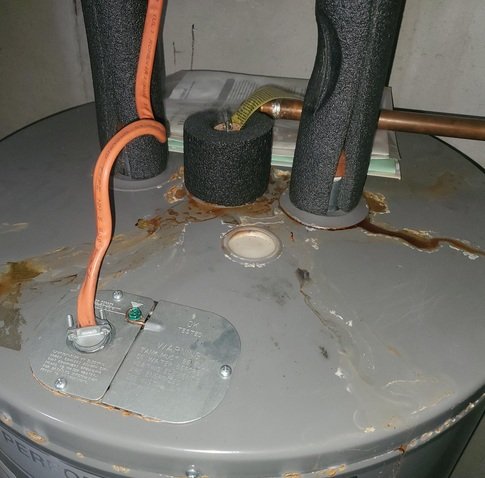
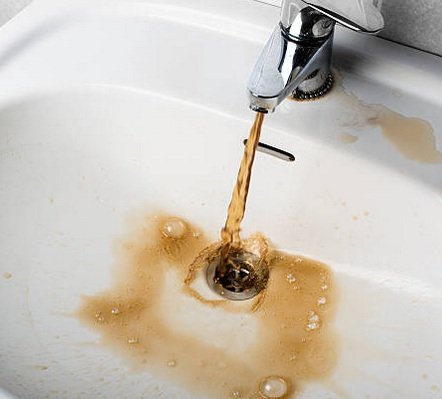
Routine maintenance also includes flushing the system to remove sediment buildup, which can affect performance and lead to premature failure. It is advisable to flush the tank at least once a year or as recommended by the manufacturer. Furthermore, checking the anode rod is essential; this rod helps to prevent rust inside the tank. Replacing a worn out anode rod can significantly extend the life of the water heater.
Signs of impending problems can often be detected during regular maintenance. For example, if you hear unusual noises like hissing or popping, it may indicate sediment buildup. Additionally, leaks around the base of the heater, inconsistent water temperature, or a decrease in hot water supply are indications that your unit may require professional inspection. Monitoring these signs is an essential part of effective maintenance.
While some maintenance tasks can be performed by homeowners, there are instances when it is crucial to consult a professional. If you notice major leaks, significant rusting, or if the heater fails to produce hot water properly, a certified technician should be contacted immediately. Regular expert evaluations can provide peace of mind and ensure that your water heater remains both efficient and safe.