The Importance of Keeping Your Water Heater Area Clear for Proper Ventilation
Water heaters play a crucial role in domestic hot water supply, operating by heating water to deliver it as needed. Proper ventilation in the area housing a water heater significantly affects its performance and safety. Adequate airflow is essential for both the efficiency of the heater and the mitigation of potential hazards associated with poor ventilation. Insufficient airflow can lead to overheating, inefficient operation, and a pronounced increase in energy consumption.
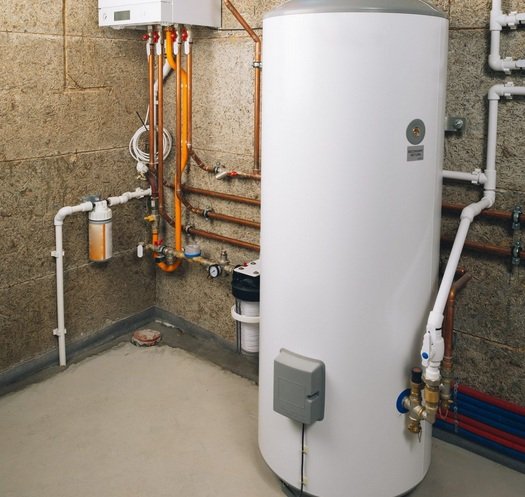
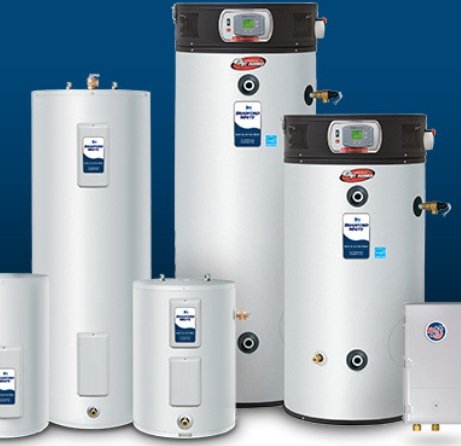
Water heaters can be categorized into tank and tankless systems, each having unique ventilation requirements. Traditional tank water heaters require clearances and specific venting systems to allow for the safe expulsion of exhaust gases generated during operation. These systems rely on gravity to ventilate, creating a need for unobstructed paths that promote natural airflow.
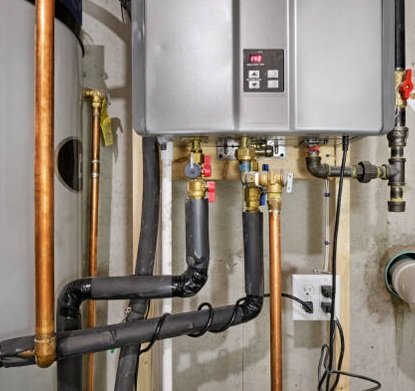
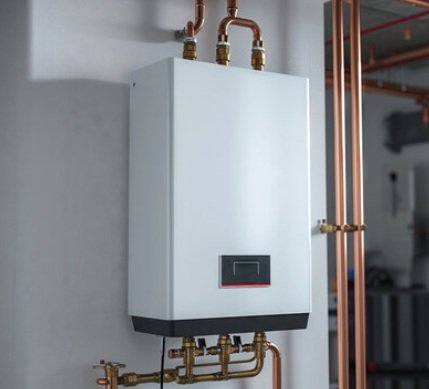
Conversely, tankless water heaters, which heat water on demand, often have different ventilation specifications. Many tankless models utilize either direct venting or power venting systems, designed for enhanced efficiency and safety. These systems necessitate proper installation and periodic maintenance to function effectively. The absence of sufficient ventilation can lead to carbon monoxide buildup, posing serious health risks to occupants.
Moreover, inadequate ventilation may also create a conducive environment for mold and mildew growth, further compromising indoor air quality. To uphold safety standards, it is imperative to follow manufacturer instructions regarding clearance spaces and venting capacities. Neglecting these guidelines may result in severe operational malfunctions, costly repairs, and safety hazards.
Common Obstacles to Water Heater Ventilation
Maintaining proper ventilation around water heaters is critical for their efficient operation. However, several common items often obstruct this essential airflow. One of the most prevalent culprits is household clutter. Items such as boxes, tools, and miscellaneous belongings can accumulate in the vicinity of water heaters, impeding their ventilation. This clutter not only restricts airflow but can also lead to an increased risk of overheating. When a water heater does not receive adequate ventilation, it can cause the appliance to work harder than necessary, which may lead to premature failures and costly repairs.
Storage boxes and containers are also frequently found near water heaters. These storage solutions, while useful for organization, can significantly obstruct the space needed for adequate ventilation. Excessive storage around the heater restricts airflow paths, which can exacerbate issues related to temperature regulation. Moreover, in some cases, materials stored near a water heater, particularly flammable ones, can pose safety hazards, increasing the likelihood of dangerous situations, including fires or carbon monoxide buildup.
Another common issue is furniture placement. While it may be convenient to place items adjacent to the heater, this can severely limit air circulation. If the area becomes too crowded, the water heater’s efficiency declines. With insufficient ventilation, the unit may overheat, resulting in higher energy bills and potential mechanical failures. Therefore, it’s vital to ensure that the area surrounding the water heater is clear of any obstacle that could hinder proper airflow. By maintaining a clutter-free space, homeowners can ensure that their water heaters operate safely and effectively, thereby prolonging the life of the appliance while minimizing potential dangers associated with poor air circulation.
Tips for Maintaining a Clear Water Heater Surrounding
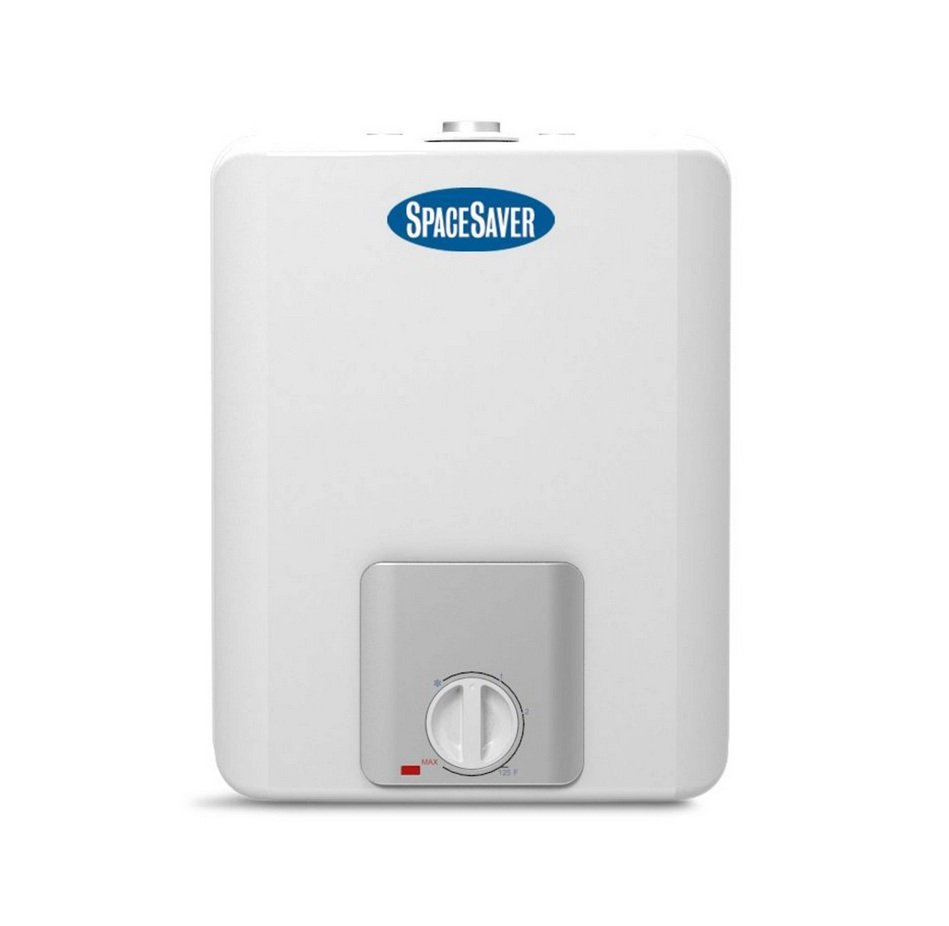
Maintaining a clear area around your water heater is essential for ensuring optimal ventilation and preventing potential hazards. One effective strategy is organizing the storage space adjacent to the water heater. Consider utilizing shelving units or cabinets, which can help elevate items and prevent clutter from accumulating on the floor. This practice not only fosters a tidy environment but also allows for easy access to the water heater for maintenance or inspections.
Regular inspections of the water heater area should be integrated into your home maintenance routine. Aim to inspect the space at least once every few months, checking for items that may have migrated close to the appliance, such as boxes or tools. Clearing any debris or removing unused items can significantly enhance airflow, contributing to the efficient functioning of the water heater.
Creating a designated maintenance space around your water heater is another vital step. Designate an area that is solely for appliance-related supplies and tools. This will not only make it easier to perform regular maintenance but will also ensure that nothing is inadvertently stored too close to the unit. It is crucial to maintain a safe distance from any flammable materials, as recommended by the manufacturer’s guidelines.
Establishing a routine for clearing the space is important as well. Set a reminder on a monthly or quarterly basis to perform a thorough cleaning of the area around the water heater. Consider incorporating simple checklists that outline the steps needed to ensure the space remains clear. By making these practices a habit, you can ensure that your water heater operates safely and efficiently, while also extending its lifespan.
Signs of Poor Ventilation and Maintenance Recommendations
One of the key indicators of inadequate ventilation in the area surrounding a water heater is excessive heat accumulation. Homeowners may notice that the space around the water heater feels unusually warm, which signifies that the unit might be overheating. This overheating not only compromises the efficiency of the water heater but can also lead to potential safety hazards such as equipment failure or even fires. Additionally, the presence of unusual noises such as banging, popping, or hissing sounds often points to issues related to trapped air or sediment buildup within the tank due to poor ventilation.
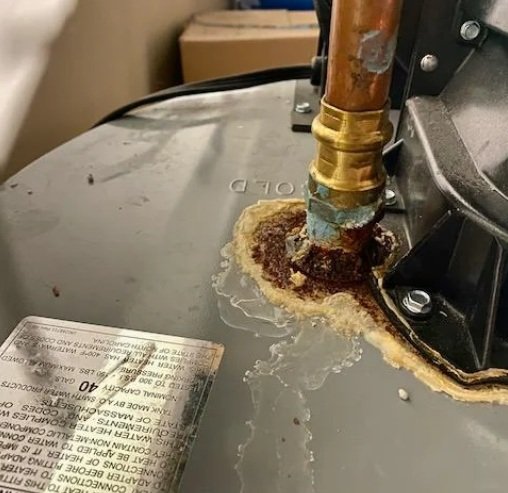
Another important sign to watch for is the condensation or moisture accumulation in the vicinity of the water heater. This may indicate a problem with ventilation and can lead to mold growth or corrosion, further jeopardizing the integrity of the unit. Homeowners should be vigilant in observing any fluctuations in water temperature, particularly if the water is not reaching the desired level. These inconsistent temperatures can signal that the heater is not receiving sufficient air for proper combustion.
To maintain optimal performance and ensure safety, homeowners should adhere to a regular maintenance schedule for their water heaters. It is advisable to inspect the area surrounding the unit for obstructions that could hinder airflow. Clearing away debris, securing ventilation ducts, and ensuring that vents are not blocked are critical steps. Additionally, it is recommended that a professional conduct a thorough inspection of the water heater at least once a year to identify any underlying issues. Homeowners should not hesitate to contact a qualified technician if they notice any signs of poor ventilation or operation. Prompt attention to these matters can help maintain efficiency and prolong the lifespan of the water heater.