The Importance of Installing Water Heater Leak Detectors for Early Warning
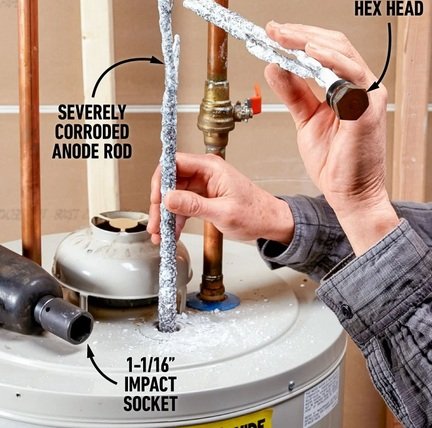
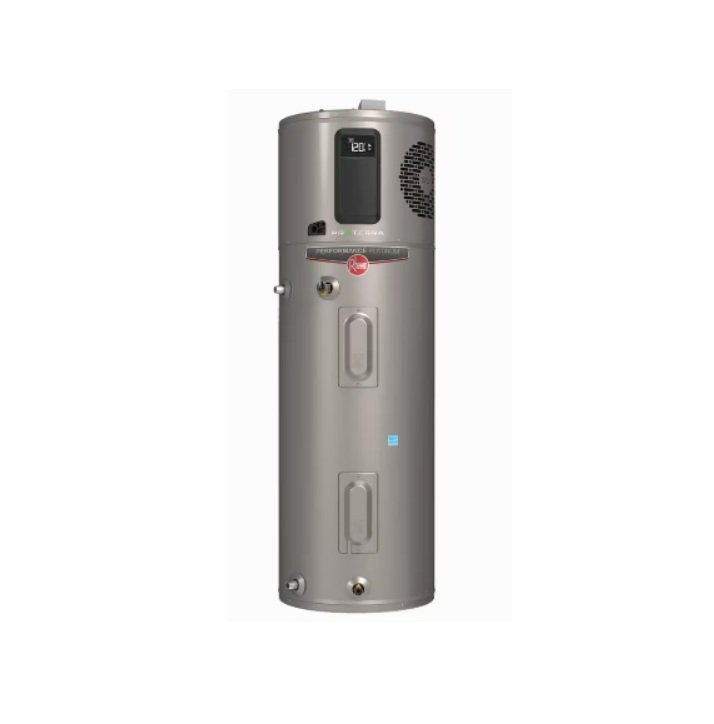
Water heater leaks can cause significant damage to homes, often going unnoticed until they lead to serious consequences. Understanding the common causes of these leaks is essential for homeowners to maintain their systems effectively. One of the primary factors contributing to water heater leaks is the age of the unit. Over time, the materials used in water heaters, such as steel and plastic, can degrade, leading to corrosion or other forms of wear that may compromise the unit’s integrity. Regular maintenance is crucial to extend the lifespan of a water heater and to detect any potential issues early.
Another common cause of leaks is poor installation. Inadequate connections, improper mounting, and lack of insulation can all result in vulnerabilities that may lead to water escaping from the heater. It is essential for homeowners to ensure that their water heater is installed by a qualified technician to minimize the risk of leaks. Also, climate factors play a significant role; cold weather can cause metal components to contract, leading to gaps and potential leaks.
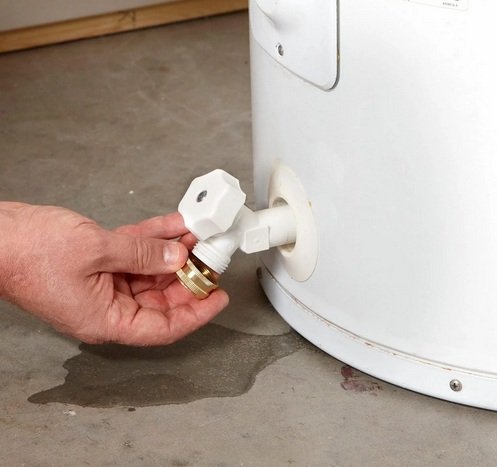
Identifying the signs of a potential leak is equally important for homeowners. Common indicators include puddles of water accumulating around the base of the heater, a decrease in water temperature, or an unusual increase in water bills. These symptoms indicate that immediate action may be necessary to address the issue before it escalates into a more extensive problem. The impact of undetected leaks can extend beyond structural damage, potentially leading to mold growth, damage to personal belongings, and increased repair costs.
By understanding the common causes and signs of water heater leaks, homeowners can take preventive measures and act quickly to mitigate potential damage in their homes.
The Benefits of Water Heater Leak Detectors
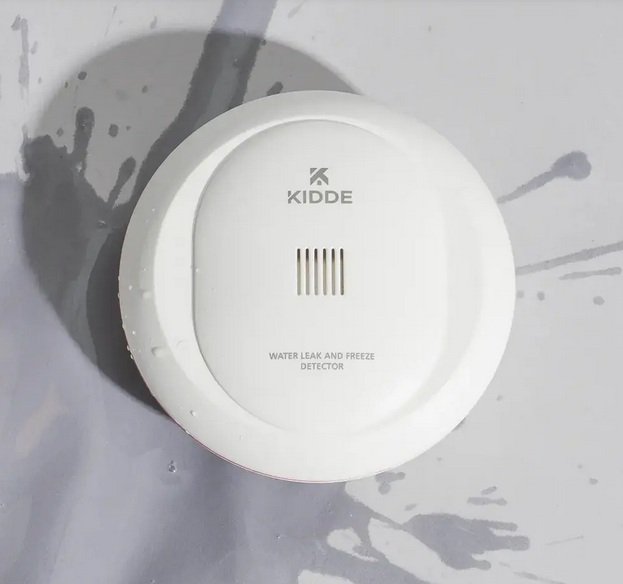
Water heater leak detectors have become an essential feature in modern homes, offering numerous advantages that safeguard properties and enhance homeowners’ peace of mind. One significant benefit of these devices is their ability to provide real-time alerts immediately upon detecting any signs of a water leak. This prompt notification allows homeowners to respond quickly, potentially preventing water damage that could result in costly repairs. Such proactive measures are vital for maintaining the integrity of the property.
Another notable advantage is the seamless integration of water heater leak detectors with smart home systems. Many of these detectors can connect to smartphones or central home automation hubs, giving users instant access to alerts no matter their location. This technology not only adds convenience but also enhances the monitoring of potential leaks, ensuring users can take action even when they are not physically present in the home.
Moreover, investing in water heater leak detectors can lead to significant cost savings over time. The expense associated with repairing water damage can be substantial, and preventative measures such as installing these detectors can avert financial strain. Furthermore, some insurance companies offer discounts on homeowners’ policies for those who take proactive steps to mitigate risks, including the installation of leak detection systems.
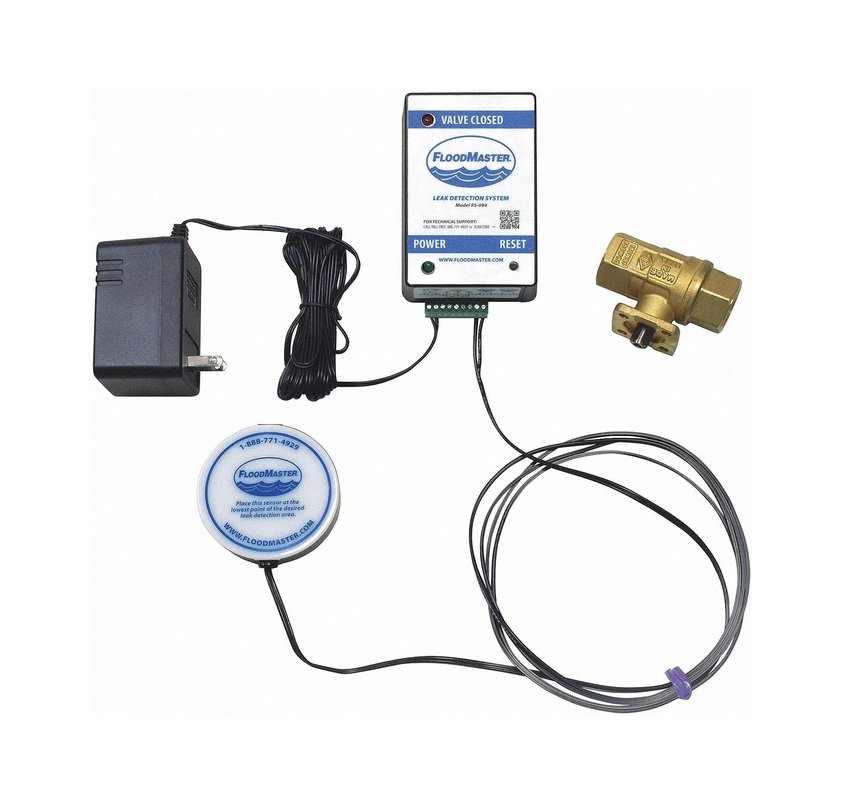
The continuing innovation in detector technology contributes to their reliability and functionality. Advanced models now include features such as temperature monitoring and automated shut-off systems, further enhancing their effectiveness. As technology evolves, these detectors become more efficient in detecting potential hazards, which not only promotes safety but also prolongs the lifespan of the water heater itself.
Ultimately, understanding and appreciating the benefits of water heater leak detectors fosters a proactive mindset towards home maintenance, allowing homeowners to cultivate a safer living environment while protecting their investment.
Choosing the Right Water Heater Leak Detector
When selecting a water heater leak detector, there are several factors that should be considered to ensure optimal performance and compatibility with your home. The first consideration is the type of detector: wired or wireless. Wired detectors are directly connected to a power source and typically offer reliable performance, though installation can be more complex. On the other hand, wireless detectors are easier to install and can be placed in hard-to-reach areas, although they usually rely on batteries, which need to be monitored and replaced periodically.
Another critical feature to look out for is the presence of smart notifications. Many modern leak detectors are equipped with connectivity options, allowing them to send alerts to your smartphone or computer in case of a leak or abnormal temperature changes, providing enhanced peace of mind, especially when you are away from home. Some detectors may also include temperature sensors, which can alert you to changes that could indicate a potential issue before it occurs, allowing for preemptive action.
When it comes to installation, consider the environment where the detector will be placed. Some models are designed for specific conditions, such as humidity levels or proximity to water sources. Comparing popular models can also provide insights into which features are most beneficial. For instance, models that incorporate multiple detection methods, such as moisture sensing and temperature monitoring, tend to offer more reliable protection.
Ultimately, the right water heater leak detector will vary based on individual needs and circumstances. Evaluate your specific situation, including the type of water heater you have and your home’s layout, to ensure your choice is the most suitable. A well-chosen detector can make all the difference in preventing costly water damage and ensuring the longevity of your water heater.
Installation and Maintenance Tips for Leak Detectors
Installing water heater leak detectors is essential for homeowners aiming to safeguard their properties from potential water damage. The first step in this process involves choosing the right location for your leak detectors. Ideally, they should be installed near the base of the water heater, as this placement maximizes their effectiveness. Additionally, placing detectors in areas where water damage is likely, such as basements or under sinks, can provide further protection.
When deciding on positioning, consider areas prone to leaks, ensuring that the detectors are unobstructed by furniture or appliances. After selecting the installation site, the next step is to follow the manufacturer’s instructions for mounting the device. Most leak detectors come with adhesive pads or screws, making installation straightforward. If opting for a battery-operated model, ensure that the battery compartment is easily accessible for maintenance.
Maintenance of water heater leak detectors is crucial to ensure their operational efficiency. Regularly testing the alarms is recommended to confirm they are functioning correctly. Most devices have a test button that activates the alarm; performing this test monthly helps to identify any issues early. Additionally, checking the batteries at least every six months and replacing them as needed will prevent unexpected failures.
For smart water leak detectors, ensuring that they remain connected to Wi-Fi is vital for uninterrupted alerts to your smartphone or other devices. Smart models often come with an app that will indicate connectivity status, so monitoring this periodically is advisable. It is also prudent to replace older models every five to ten years, as technology can evolve, improving reliability and features.