The Importance of Inspecting Your Water Heater’s Pressure Relief Valve Annually
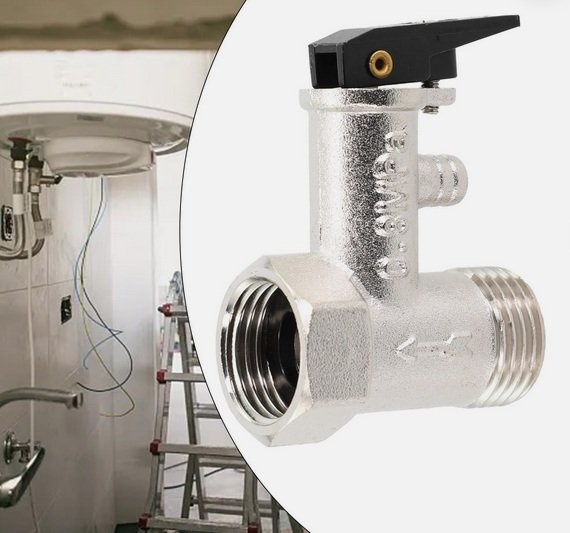
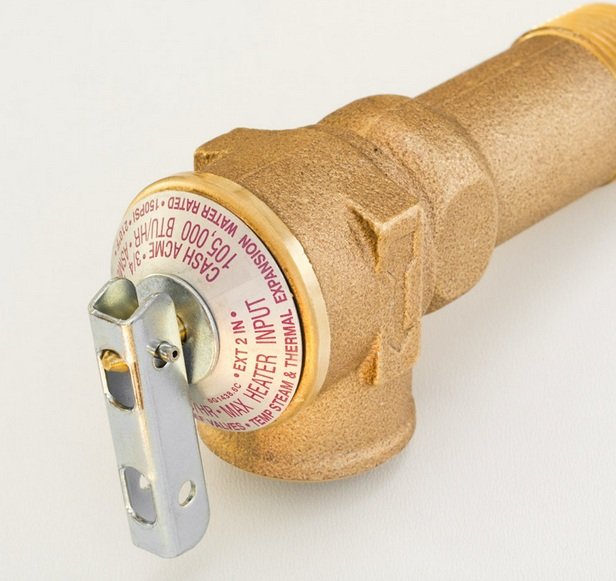
The pressure relief valve (PRV) serves as a critical safety component within a water heater system. Its primary function is to control and release excess pressure, thereby preventing the dangerous buildup of steam or water pressure within the tank. When the pressure exceeds a predetermined level, the valve activates and opens to allow the steam or water to escape, ensuring the internal pressure is kept within safe limits.
The operation of a pressure relief valve is essential for the safe functioning of a water heater. Typically, most water heaters are designed to withstand a specific amount of pressure, usually between 50 and 80 pounds per square inch (psi). However, if there is an issue—such as a malfunctioning thermostat or a water supply problem—pressure levels can escalate quickly and could potentially lead to catastrophic failures, including explosions.
Neglecting the maintenance of the pressure relief valve can result in significant risks. A malfunctioning PRV may fail to release excess pressure, leading to dangerous scenarios such as tank ruptures or steam explosions. Regular inspections and testing of this valve are, therefore, imperative to ensure it operates correctly. Homeowners often overlook this component during routine maintenance checks, which can lead to hazardous situations and costly repairs.
In conclusion, understanding the importance of the pressure relief valve in a water heater is vital for maintaining safety. This small yet critical component plays a significant role in preventing potentially devastating outcomes that arise from excessive pressure buildup. By prioritizing regular inspections of the pressure relief valve, homeowners can protect their property and ensure the longevity and efficiency of their water heating systems.
Signs Your Pressure Relief Valve Needs Attention
The pressure relief valve is a critical component of your water heater, responsible for maintaining safe pressure levels within the tank. Regular monitoring of this valve can prevent hazardous situations and ensure optimal performance. Several indicators suggest that your water heater’s pressure relief valve may need inspection or replacement.
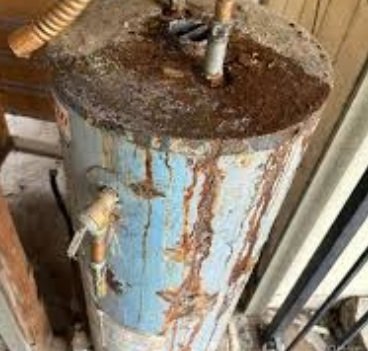
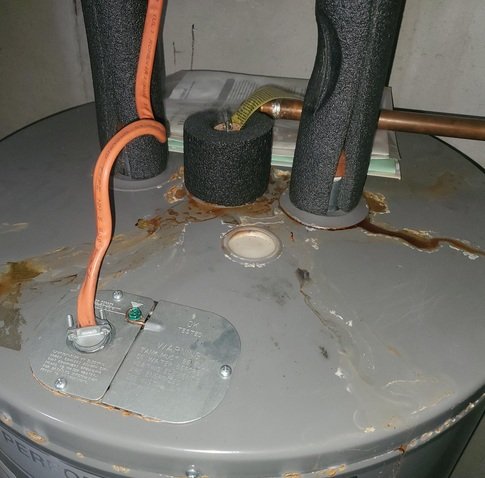
One of the most common signs of a malfunctioning valve is leakage. If you notice water pooling around the valve area, this could indicate that the valve is not sealing properly, which may lead to pressure build-up and potential water damage. Additionally, if you observe rust forming on the valve or the surrounding areas, it may signal that the valve is deteriorating and could be compromised. Rust and corrosion, often emphasized as vital indicators, can significantly affect the functionality of the water heater and can lead to more extensive repairs if not addressed promptly.
Unusual noises emanating from your water heater can also be a call for concern. If you hear hissing, rattling, or banging sounds, it might suggest that pressure is being released improperly, possibly due to a malfunctioning pressure relief valve. Such sounds should always prompt an immediate inspection to avoid future complications.
In conclusion, being vigilant about the signs of a faulty pressure relief valve can greatly enhance your water heater’s longevity and functionality. Regular checks for leaks, rust, unusual noises, and corrosion are essential in maintaining a safe and efficient water heating system. Addressing these indicators promptly will not only ensure the safety of your home but also safeguard your investment in the appliance.
Steps for Inspecting and Maintaining the Pressure Relief Valve
Regular inspection and maintenance of the pressure relief valve on your water heater are crucial for ensuring its proper functionality and safety. Here are step-by-step instructions to guide you through the process.
First, ensure your safety by turning off the power supply to the water heater. If it is a gas unit, set the thermostat to the off position, and if electric, unplug the heater. Let the water cool for at least a few hours to avoid any risk of burns during inspection.
Next, identify the location of the pressure relief valve, which is typically positioned on the top or side of the water heater tank. Visually inspect the valve for any signs of corrosion, leaks, or damage. A malfunctioning valve can lead to dangerous pressure buildup within the tank.
To test the valve, prepare a bucket to catch any water that might be released. Locate the valve lever and lift it slightly. This action should allow some water to leave the pipe connected to the valve. If water flows freely, the valve is functioning correctly. However, if no water exits or if the valve does not close properly after testing, it may require replacement.
For ongoing maintenance, consider cleaning the area around the valve to prevent debris accumulation, which can hinder functionality. It is also recommended to inspect the valve annually, replacing it if any issues are detected. Regular maintenance not only enhances the longevity of the valve but also helps maintain the overall safety of your water heater.
In conclusion, adhering to these steps for inspecting and maintaining your water heater’s pressure relief valve will ensure safe operation and prevent potential hazards. Regular monitoring and timely maintenance are essential for the longevity of your system.
When to Call a Professional
Homeowners often pride themselves on their ability to handle various maintenance tasks around the house. However, when it comes to certain plumbing issues—specifically, the malfunctioning of a water heater’s pressure relief valve—calling a professional can be essential. While some minor maintenance can be managed by a savvy homeowner, it is critical to recognize when a situation calls for expert intervention.
One scenario in which it is prudent to seek professional help is when the pressure relief valve is leaking. A minor leak might seem manageable, but it can be indicative of more significant issues within the water heater system. A licensed plumber will be able to provide a thorough diagnosis, establishing whether the leak is a symptom of wear and tear or a sign of a larger, more complex problem. By having a qualified technician involved, homeowners benefit from expertise that mitigates potential damage and ensures that the system operates efficiently.
Additionally, if the water heater is producing unusual noises such as banging or hissing, it may indicate underlying issues affecting the pressure relief valve. Without proper training, a DIY approach can lead to accidents or further damage. It is safer to consult a professional who understands the intricate workings of water heaters and can conduct repairs following industry safety standards.
Moreover, homeowners should engage a technician if they lack the confidence or experience in conducting any needed repairs. This not only reduces the risk of injury but ensures that the repairs comply with local plumbing codes. In situations involving gas water heaters, the necessity for professional help becomes even more critical, given the associated dangers of gas leaks.
In conclusion, while some water heater maintenance tasks may be within the scope of a dedicated homeowner, understanding when to call a licensed plumber is essential. Proper diagnostics and repairs will enhance the safety, efficiency, and longevity of water heating systems, minimizing potential hazards that can arise from inexperienced handling of critical components.