The Importance of Flushing Your Water Heater Annually: A Guide to Removing Sediment Buildup
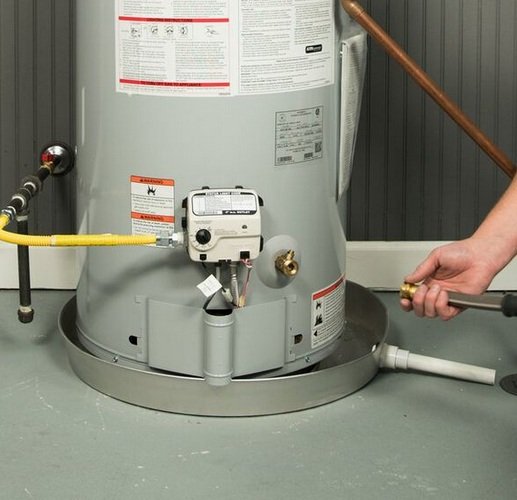
Water heater sediment buildup is a common issue that many homeowners face, often without realizing its implications. This accumulation primarily consists of mineral deposits, such as calcium and magnesium, which originate from hard water. Over time, as water is heated and cooled repeatedly, these minerals settle at the bottom of the tank, creating a layer of sediment. In addition to mineral deposits, organic matter and rust can also contribute to sediment accumulation in water heaters.
The impact of sediment buildup on the efficiency and functionality of a water heater is significant. As sediment layers form, they reduce the heater’s ability to efficiently heat water. This results in a longer heating time, which can elevate energy bills due to increased energy consumption. Furthermore, the presence of sediment can lead to uneven heating, causing hot spots that may increase the risk of overheating and, ultimately, lead to damage to the unit itself.
In more severe cases, sediment buildup can cause the water heater to malfunction entirely, leading to costly repairs or the need for a replacement. For example, a heavily sedimented tank can lead to a failure in the heating element or thermostat, significantly diminishing the appliance’s lifespan. Regular maintenance, including flushing the water heater annually, can mitigate these risks and enhance the unit’s longevity.
Therefore, homeowners should pay close attention to any signs of sediment buildup, such as unusual noises like popping or banging when the heater is in operation, as these are indicative of sediment accumulation. Understanding the types of sediment and their effects is essential for maintaining an efficient and long-lasting water heating system.
Why You Should Flush Your Water Heater Once a Year
Flushing your water heater annually is a critical maintenance task that offers numerous benefits. One of the primary advantages is improved energy efficiency. Over time, sediment can accumulate at the bottom of the tank. This sediment acts as an insulating barrier between the heating element and the water, requiring the heater to work harder to maintain the desired temperature. As a result, energy consumption increases, leading to higher utility bills. Regular flushing helps to eliminate this buildup, allowing your heater to operate more efficiently.
In addition to enhancing energy efficiency, flushing your water heater can also extend the lifespan of the appliance. Sediment buildup can hasten corrosion and wear on the metal components of the tank. By removing this sediment through annual flushes, you can significantly reduce the risk of premature failure, enabling you to enjoy a longer-lasting appliance.
Moreover, routine flushing can prevent costly repairs. If sediment is left unchecked, it can lead to problems such as overheating, tank leaks, or insufficient heating performance. Addressing these issues can often require expensive repairs or even a complete replacement of the water heater. By maintaining your water heater through regular flushing, you can avoid these potential complications and associated costs.
Lastly, flushing helps to ensure better water quality. Sediment can harbor bacteria and other contaminants, negatively affecting the taste and clarity of your water. By performing an annual flush, you are effectively maintaining better water quality for your household. Overall, these benefits illustrate that taking the time to flush your water heater once a year is a worthwhile investment in your home’s efficiency and comfort.
How to Properly Flush Your Water Heater
Flushing your water heater is an essential maintenance task that helps to remove sediment buildup, improving efficiency and prolonging the life of the appliance. To properly flush your water heater, you will need a few necessary tools and materials, including a garden hose, a bucket, and a pair of pliers. Before you begin, ensure you take appropriate safety precautions such as wearing gloves and safety glasses.
Firstly, turn off the power supply to your water heater. If you have an electric unit, switch off the circuit breaker; if it’s gas-powered, set the thermostat to the “pilot” position. Allow the tank to cool down for a few hours, ensuring safety during the flushing process.
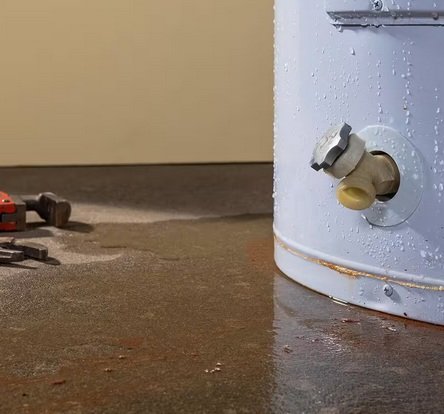
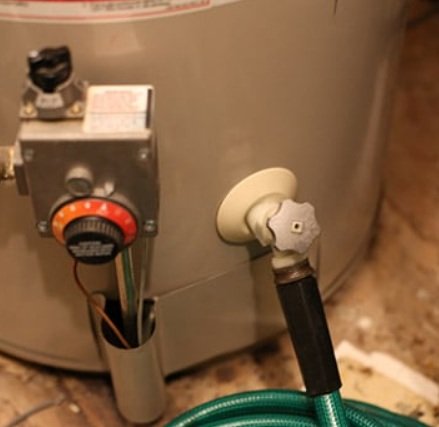
Next, connect the garden hose to the drain valve located near the bottom of the tank. Ensure the other end of the hose is directed into a bucket or a floor drain to safely channel the water that will flow out. Open the drain valve slowly by using the pliers, being cautious as hot water may still be present.
As the water drains, you might want to open the pressure relief valve, usually located at the top of the tank; this helps the water drain more efficiently. Once the water is fully drained, close the drain valve and the pressure relief valve. At this point, you will want to flush the tank by turning on the cold water supply briefly to stir up any remaining sediment. Allow the water to run until it runs clear.
After the tank has been effectively flushed, re-check the drain valve for any leaks. Disconnect the hose and restore the power supply to your water heater. This process should typically be performed annually, although in areas with hard water, you may need to flush more frequently. Should any issues arise during this process, such as a blocked drain valve, consult your water heater’s manual or seek professional assistance for resolution.
Signs That Your Water Heater Needs Attention
Water heaters are a critical component of any household, providing hot water for various needs, including bathing, cooking, and cleaning. However, they can develop problems over time, often indicated by specific signs that require attention. Recognizing these indicators early can help you avoid costly repairs or replacements.
One of the most common signs that your water heater may need flushing or maintenance is the presence of unusual noises. If you hear popping, rumbling, or a hissing sound coming from your unit, it could mean that sediment has built up on the bottom of the tank. This sediment buildup can overheat and cause damage to the heating elements, leading to inefficiency and increased energy costs.
An additional sign to watch for is discolored water. If your hot water appears rusty or brown, it may indicate corroded pipes or sediment in the tank. This contamination not only affects the aesthetic quality of the water but may also pose health risks, making it essential to address the issue promptly.
Moreover, a reduced hot water supply can signal that your water heater requires servicing. If you notice that the hot water runs out quickly or doesn’t reach the desired temperature, it may be due to sediment blocking the heating mechanism or other mechanical failures.
Finally, longer heating times can also be indicative of a problem. If your water takes significantly longer than usual to heat up, it could suggest that the heating elements are working harder due to sediment buildup or that there is an issue with the thermostat. If these signs persist, it is advisable to contact a professional technician who can provide an assessment and perform necessary repairs or maintenance to ensure your water heater functions optimally.