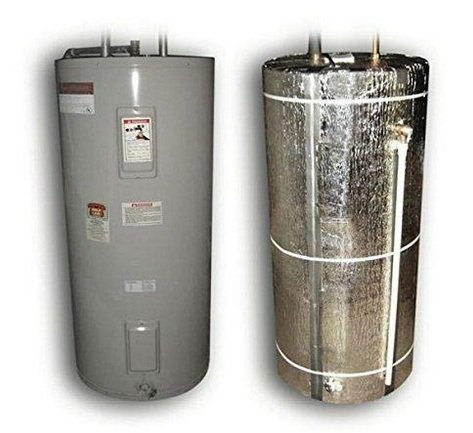
The Importance of Draining Your Water Heater: How to Reduce Sediment Buildup
Sediment buildup in water heaters is a common issue that can significantly affect the performance and lifespan of the appliance. Sediment consists mainly of minerals such as calcium and magnesium, which are naturally present in water. When water is heated, these minerals tend to precipitate and accumulate at the bottom of the tank, forming a layer of sediment. Over time, this buildup can become substantial, leading to various operational problems.
In addition to calcium and magnesium, sediments can include other materials like rust, sand, and dirt, which may enter the water supply due to corroding pipes or other environmental factors. The composition and amount of sediment can vary greatly depending on the location and quality of the water being used. For instance, areas with hard water typically experience more severe sediment accumulation, which can lead to complications if not addressed promptly.
The presence of excessive sediment can result in several negative consequences for water heaters. One of the primary issues caused by sediment buildup is the reduction in efficiency. The accumulated material acts as an insulating layer, preventing heat from transferring effectively to the water. As a result, the heating process becomes less efficient, causing the water heater to work harder and consume more energy, thus increasing operational costs.
Moreover, if sediment is allowed to accumulate unchecked, it can lead to potential damage. High levels of sediment can cause overheating and may even lead to complete failure of the water heater over time. Therefore, understanding sediment buildup and its implications is crucial for maintaining the efficiency, cost-effectiveness, and longevity of water heaters.
How Often Should You Drain Your Water Heater?
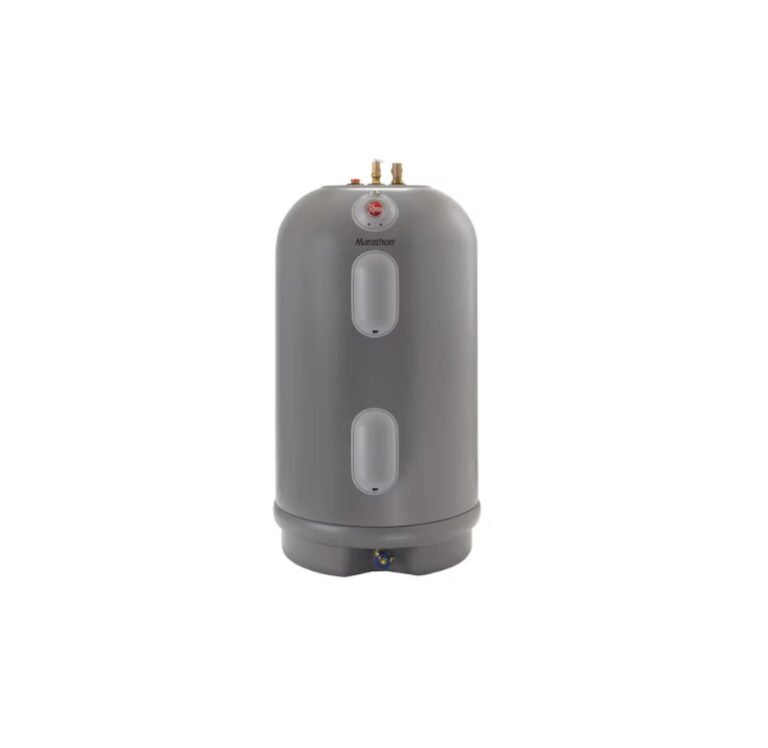
Draining your water heater is an essential maintenance task that can help ensure its efficiency and longevity. The recommended frequency for this process largely depends on the type of water heater you own and the quality of the water supplied to your home. For traditional tank water heaters, it is generally advised to drain the tank at least once a year. This regular maintenance allows for the removal of sediment buildup which can occur due to mineral deposits in the water. In areas where hard water is prevalent, more frequent draining may be necessary, potentially every six months, to minimize sediment accumulation.
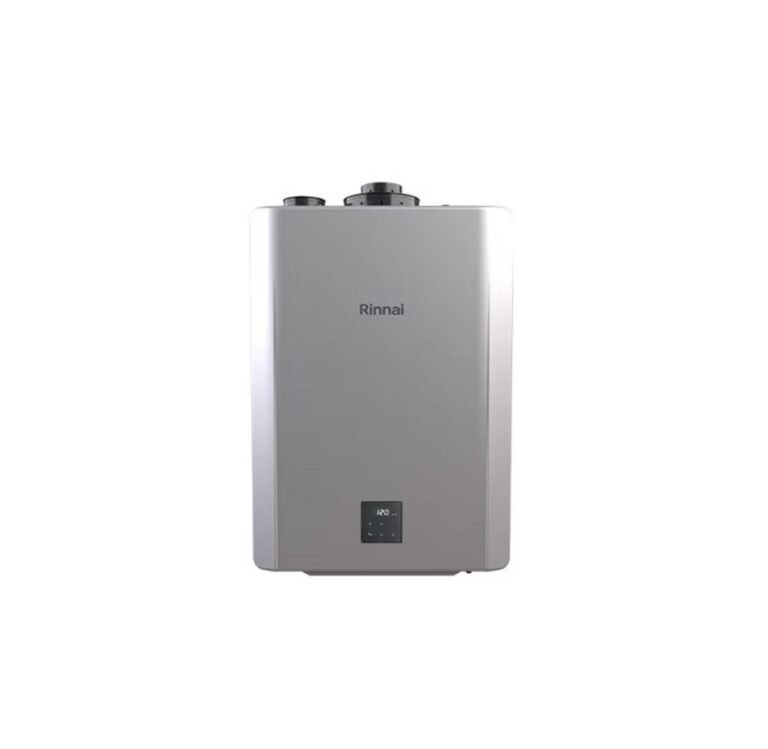
On the other hand, tankless water heaters require less frequent draining, primarily because they typically experience less sediment buildup. It is usually advisable to flush a tankless system every two years to maintain optimal performance. This process not only reduces mineral buildup but also helps in optimizing the heating efficiency of the unit.
Several factors can influence how often you should drain your water heater. Water hardness plays a significant role; households with hard water will likely require more frequent maintenance to combat the effects of calcium and magnesium deposits. Additionally, your water usage patterns can affect the buildup rate. For example, families that use a high volume of hot water may experience a greater accumulation of sediments, necessitating more frequent draining.
In summary, the frequency of draining your water heater varies based on its type, local water quality conditions, and usage patterns. Regular maintenance through draining helps prolong the life of the unit and improves its efficiency, ultimately leading to significant savings on energy costs.
Step-by-Step Guide to Draining Your Water Heater
Draining your water heater is a vital maintenance task that reduces sediment buildup, improving its efficiency and prolonging its lifespan. Below is a detailed, step-by-step guide to help you properly drain your water heater.
First and foremost, you will need some essential tools and materials, including a garden hose, a bucket, and a flathead screwdriver. Ensure that you have these items on hand before starting the process. It is also important to have protective gear, such as gloves and safety goggles, to safeguard yourself from any potential hazards.
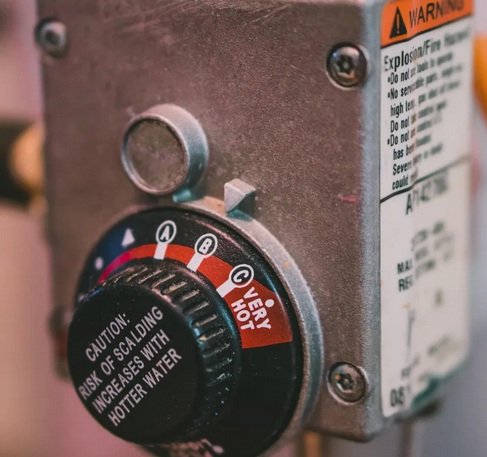
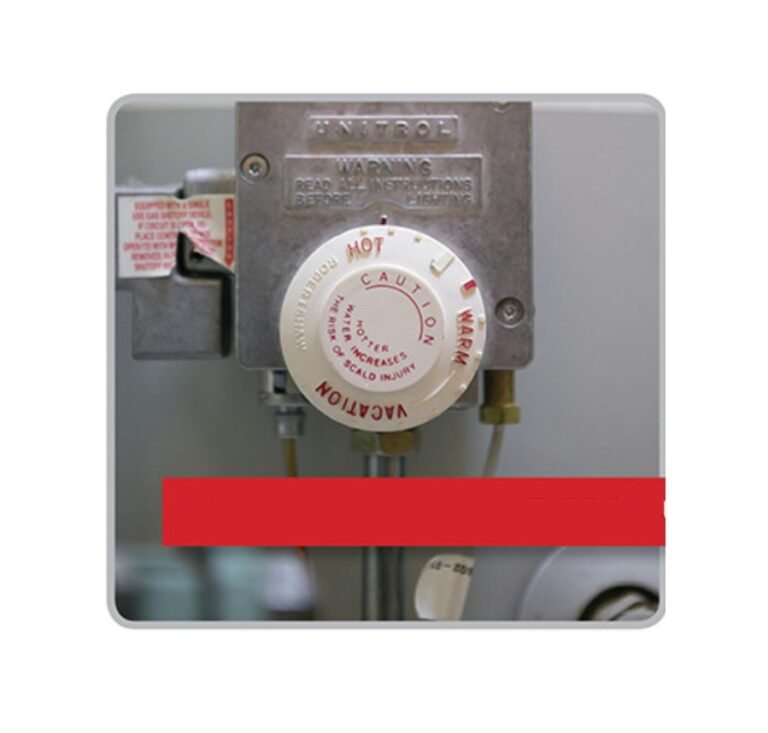
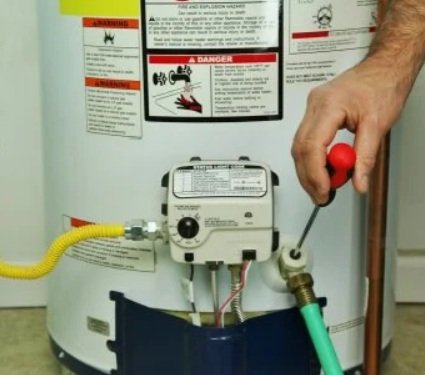
Begin by turning off the power supply to the water heater. For electric models, switch off the circuit breaker. If your water heater is gas-powered, set the thermostat to the “pilot” setting. Next, turn off the cold water supply to the heater by locating the shut-off valve, usually situated at the top of the unit. This ensures that no fresh water enters while you are draining the tank.
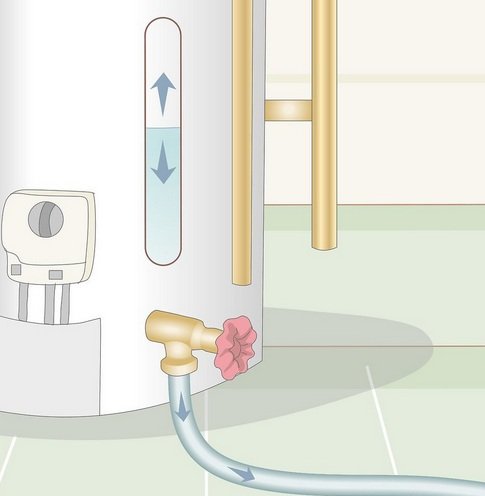
Now, attach one end of the garden hose to the drain valve located at the bottom of the heater. The other end should be directed into a bucket or outside, as the drained water may be hot. Carefully open the drain valve using a flathead screwdriver. Allow the water to flow out until it runs clear, which indicates that sediment has been effectively dislodged. If you encounter stubborn sediment that does not allow the water to flow, it might be necessary to slightly open the pressure relief valve to facilitate drainage.
Once the tank is fully drained, close the drain valve tightly. Remove the garden hose and re-secure the cold water supply valve. Finally, restore power to the water heater and allow it to refill before turning it back on. Regularly performing this maintenance task will not only enhance the efficiency of your water heater but also contribute to a longer operational life.
Benefits of Regular Maintenance and Professional Inspections
Regular maintenance of water heaters is essential not only for draining sediment but also for ensuring the efficient and effective operation of the unit. One of the primary advantages of consistent maintenance is the extension of the water heater’s lifespan. By routinely checking and servicing components, homeowners can often identify and address potential issues before they escalate into significant problems. This proactive approach can lead to a longer service life, thus delaying the need for a costly replacement.
Energy efficiency is another significant benefit of regular water heater maintenance. When sediment accumulates in the tank, it creates an insulating layer that hinders the heat transfer from the burner to the water. This inefficiency not only increases energy consumption but also results in higher utility bills. By regularly draining the tank and inspecting for sediment buildup, homeowners can ensure their water heaters operate optimally, ultimately lowering energy costs.
Furthermore, professional inspections play a vital role in a comprehensive maintenance plan. Certified technicians are trained to identify issues beyond simple sediment accumulation. During an inspection, professionals can check for leaks, inspect the anode rod, and ensure that the thermostat and other vital components are functioning correctly. Regular professional evaluations help maintain safety standards and improve performance, thus providing peace of mind to homeowners.
Incorporating routine maintenance and professional inspections into one’s schedule not only protects the water heater but can also prevent unexpected breakdowns that would require costly repairs. A well-maintained water heater can yield significant long-term benefits inspired by efficiency, longevity, and cost minimization.