The Importance of Clean Water for Your Family’s Health
Clean water is essential for maintaining good health and well-being. It is defined as water that is safe for drinking, cooking, and personal hygiene, free from contaminants that could pose health risks. The quality of water is influenced by various factors, including its source, treatment processes, and environmental conditions. Understanding the various sources of clean water is crucial for families striving to ensure their health.
Common sources of clean water include municipal water supplies, private wells, and bottled water. Municipal supplies are typically treated at water treatment plants, where the water undergoes rigorous filtration and disinfection processes to meet health department standards. These facilities use both natural filtration methods and modern technologies to remove pollutants and ensure the safety of the water delivered to households.
On the other hand, private wells can provide clean water but may require regular testing to ensure that they remain free from contaminants. Well water should be checked frequently, particularly for bacteria and chemical pollutants, as it can be influenced by agricultural runoff and other environmental factors.
Bottled water is another option that many families consider. Not all bottled water is created equal, and it is essential to choose brands that adhere to stringent safety standards set by health organizations. The bottled water industry is regulated, but consumers should be aware of the quality control measures taken by the manufacturer.
Health organizations, including the U.S. Environmental Protection Agency (EPA), set specific standards for water quality to protect public health. These guidelines include maximum contaminant levels for various toxins and bacteria found in drinking water. By understanding the sources and safety standards for clean water, families can make informed decisions to safeguard their health.
Health Benefits of Clean Water
Access to clean water is a cornerstone of maintaining good health for families. Consuming clean water helps to prevent illness by reducing the risk of exposure to harmful pathogens and contaminants that can lead to digestive disorders, cholera, and other waterborne diseases. When individuals drink safe, uncontaminated water, they provide their bodies with a basic necessity that supports various bodily functions.
Hydration is critical for the body’s performance, and clean water plays a crucial role here. Proper hydration ensures that the brain, heart, and muscles operate efficiently. It aids in regulating body temperature, maintaining electrolyte balance, and facilitating cellular processes. For children, especially, whose bodies are still developing, the need for clean water is even more pronounced, as it supports their growth and cognitive development.
Furthermore, clean water is a key component in boosting the immune system. Sufficient hydration enables the body to expel toxins and waste products more effectively. With a well-hydrated system, individuals tend to experience fewer illnesses, as their immune defenses can better combat infections. Regular consumption of safe drinking water has also been linked to improved skin health. It helps maintain skin elasticity and vitality, reducing the occurrence of dryness, irritation, and other skin ailments.
In summary, clean water is not merely a facet of daily life; it significantly contributes to holistic wellness. The importance of drinking clean water cannot be overstated for both adults and children, as it directly impacts overall health, supports vital bodily functions, and promotes a robust immune system. Prioritizing access to clean water in households is essential to fostering a healthy environment for families.
Clean Water’s Role in Disease Prevention
Access to clean water is an essential cornerstone of public health, significantly contributing to the prevention of waterborne diseases that can have devastating effects on families and communities. Inadequate sanitation and contaminated water sources often lead to the proliferation of diseases such as cholera, typhoid fever, and various gastrointestinal infections. These illnesses disproportionately affect vulnerable populations, particularly children, who may suffer severe dehydration and other complications from their consequences.
According to the World Health Organization, an estimated 2 billion people globally use drinking water sources contaminated with feces, bringing forth an alarming risk of disease outbreaks. For instance, cholera, primarily transmitted through contaminated water, can quickly lead to severe diarrhea and death if not treated promptly. The situation is not unique to regions characterized by extreme poverty; even within developed countries, outdated plumbing systems can pose significant health risks due to the potential for lead and other harmful substances to leach into drinking water.
Moreover, gastrointestinal infections caused by unsafe water further lead to increased healthcare costs and loss of productivity due to missed work or school. Children are particularly vulnerable, with such infections contributing to stunted growth and development. A study evaluating the health impact of clean water provision found that communities with improved access reduced their incidence of diarrhea-related diseases by up to 30%. This underscores the profound impact that clean water can have on public health, not only mitigating the spread of diseases but also enhancing overall family well-being.
Ensuring access to clean water is, therefore, a fundamental health imperative, necessitating concerted efforts from governments, organizations, and individuals alike. As communities work to improve water infrastructure and hygiene practices, it becomes increasingly clear that clean water is vital for safeguarding health and preventing disease.
Ensuring Access to Clean Water for Your Family
Guaranteeing that your family has access to clean water is paramount for their overall health and well-being. One effective strategy is to invest in a water filtration system. These systems can remove contaminants such as lead, chlorine, and bacteria that can pose health risks. Depending on your specific needs, you can choose from various options such as reverse osmosis units or activated carbon filters. Proper installation and routine maintenance of these systems are crucial to ensure they operate effectively, thus providing your family with safe drinking water.
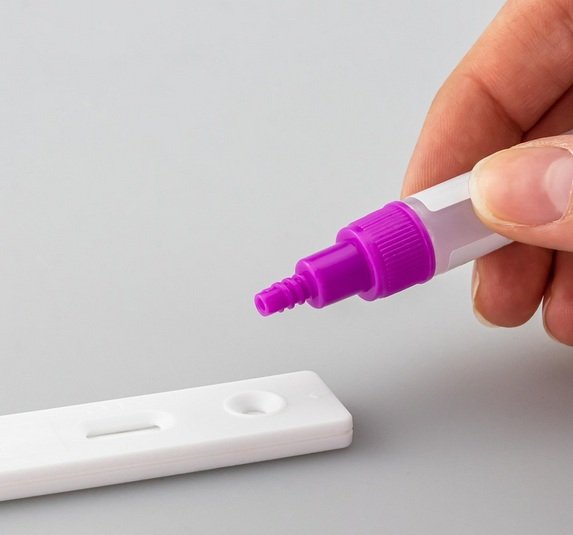
In addition to filtration systems, regular testing of your water quality is essential. This can help identify any emerging contaminants or changes in water characteristics. Testing is particularly important if you rely on private wells, as these sources may not be subject to the same regulations as municipal water supplies. Many local health departments or third-party laboratories can conduct water quality tests, providing valuable insight into potential health hazards that may be present.
Maintaining the plumbing in your home is another key practice for ensuring safe water access. Regular inspections for leaks and corrosion can prevent contaminants from entering the water supply. Ensure that all pipes are up to code and have been appropriately installed to avoid backflow or contamination. Educating your family about the importance of keeping water sources clean, such as ensuring that no hazardous chemicals are disposed of improperly, is also a proactive measure that safeguards their health.
By implementing these strategies—installing water filtration systems, conducting regular water tests, and maintaining plumbing systems—you can significantly enhance the quality of water your family consumes. These efforts not only protect against immediate health risks but also foster long-term well-being for your loved ones.