The Importance of Checking Your Water Heater Anode Rods Every 3–5 Years
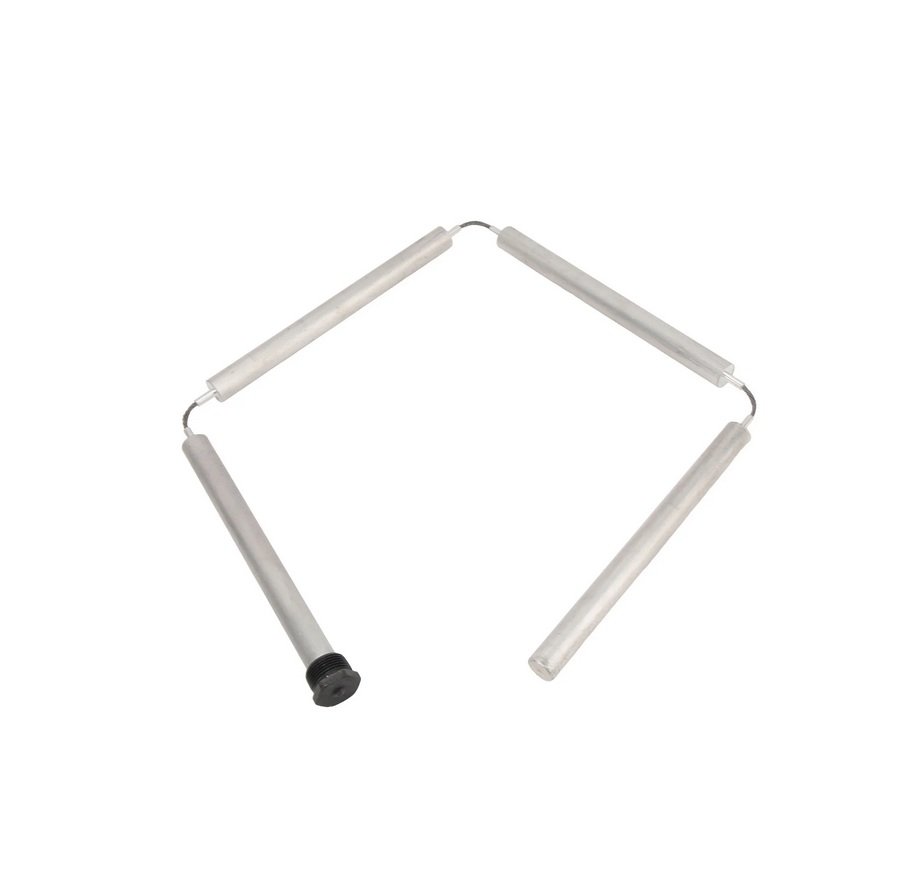
Anode rods are crucial components in water heater systems, specifically designed to protect the metal tank from corrosion. These rods consist of sacrificial materials that attract corrosive elements, effectively prolonging the lifespan of the water heater. Typically, anode rods are made from magnesium, aluminum, or zinc, each offering unique protective qualities.
The primary function of anode rods is to prevent rust and deterioration of the tank’s internal surface. As water is heated and stored in the tank, minerals and corrosive agents such as hydrogen sulfide can lead to rust formation. Anode rods sacrifice themselves to these corrosive elements, thus preserving the integrity of the heater’s tank. Without functioning anode rods, water heaters are at a significantly higher risk of developing leaks and other corrosive damage, which can lead to costly repairs or replacements.
Material choice plays a critical role in the effectiveness and longevity of anode rods. Magnesium rods are often preferred for their ability to provide superior protection and longevity, effectively counteracting corrosive factors. Aluminum rods, while effective, do not offer the same level of protection as magnesium. On the other hand, zinc rods can be utilized, particularly to neutralize odors in well water; however, they may degrade faster in some environments. The selection between these materials often depends on the specific water chemistry and required longevity of the water heater system.
Inspection of anode rods every 3–5 years is vital in ensuring that these sacrificial elements are still functional. Regular checks can help homeowners avoid premature water heater failures and maintain optimal performance by replacing worn rods in a timely manner. This proactive measure contributes significantly to the overall efficiency and durability of the water heater system.
Signs Indicating It’s Time to Check Your Anode Rods
Checking your water heater’s anode rods every 3 to 5 years is essential for maintaining the lifespan and efficiency of the unit. A few common signs indicate it may be time to inspect your anode rods. One significant indicator is the presence of rust or discoloration in the water. When rust particles appear, it commonly points to corrosion within the water heater, suggesting that the anode rods may no longer be effective.
Another important sign is when unusual sounds emanate from the heater. Sounds like popping, rumbling, or banging can indicate sediment buildup, which may lead to the degradation of the anode rods. If these symptoms are ignored, the corrosion process will accelerate, potentially damaging the tank itself, leading to costly repairs or replacement.
A foul odor in hot water can also signify an issue with the anode rods. If the water has an unpleasant smell, often likened to rotten eggs, it might indicate the presence of certain types of bacteria thriving on the deteriorating elements of the water heater. This is a clear warning that your anode rods may need attention, as neglecting them could not only affect the quality of your water but also impact your overall health.
If you observe any of these signs, it is imperative to conduct a thorough inspection of your anode rods. Ignoring the condition of these rods can lead to severe consequences, including the premature failure of your water heater. Therefore, being vigilant about these indicators ensures the longevity and performance of your unit, ultimately saving you from significant expenses down the line.
How to Check and Replace Anode Rods
Checking and replacing the anode rods in your water heater is crucial for preventing corrosion and extending the life of the unit. This process may seem daunting, but it can be straightforward if done correctly. Here is a detailed step-by-step guide to help you through the task.
First, you will need a few essential tools: a socket wrench, a pipe wrench, a bucket or pan to catch water, and potentially a replacement anode rod. Make sure to wear safety glasses and gloves during the process to protect yourself from any residual elements in the water heater.
Begin by turning off the power supply to the water heater, whether it’s electric or gas. For electric heaters, disconnect the power at the circuit breaker; for gas, set the thermostat to the lowest setting. After ensuring the heater is off, turn off the cold water supply to the tank by locating the shut-off valve on the inlet pipe.
Next, connect a garden hose to the drain valve and place the other end in a bucket or outside for drainage. Open the drain valve to allow a few gallons of water to exit the tank. This step reduces pressure and makes it easier to remove the anode rod. After draining enough water, close the drain valve.
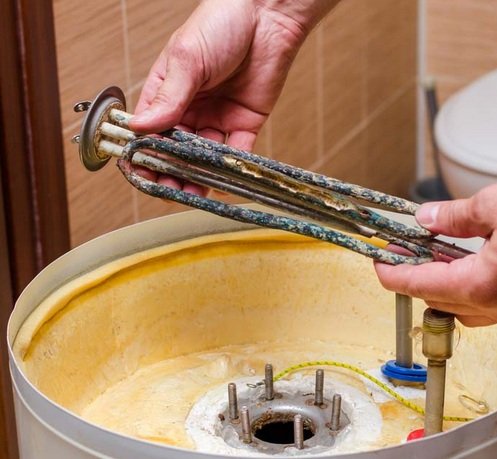
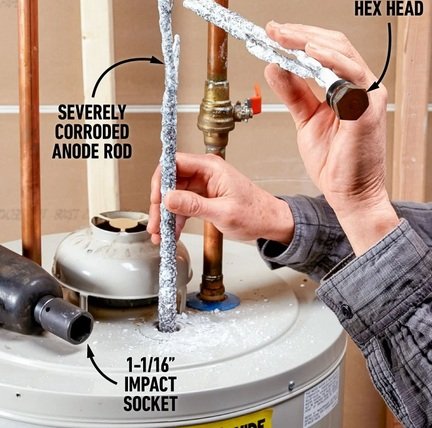
Now, locate the anode rod, usually found on the top of the water heater. Use your socket wrench to unscrew the anode rod from its port. Once removed, inspect its condition—if it is less than half an inch thick or significantly corroded, it’s time to replace it. To install a new anode rod, simply reverse the process: insert the new rod and tighten it securely.
If you are uncomfortable performing this procedure, or if your water heater is in a difficult location, it is wise to seek professional assistance. While DIY can save costs, hiring a professional ensures that the job is done safely and correctly, potentially preventing future issues.
In case of hiring a professional, be aware that replacement costs can vary widely, but typically range from $100 to $300, depending on the service provider and specific requirements. Regularly checking and replacing your anode rods every 3–5 years can save you from more costly repairs or even premature water heater replacement.
Benefits of Regular Anode Rod Maintenance and Longevity of Your Water Heater
Regular maintenance of anode rods plays a crucial role in enhancing the longevity of your water heater. The primary purpose of the anode rod is to attract corrosive elements in the water tank, thereby protecting the primary metal of the tank from corrosion. Without proper maintenance and timely replacement of worn-out anode rods, the efficiency of your water heater may decline significantly.
One of the immediate benefits of checking your anode rods every three to five years is the prolonged lifespan of the water heater. Manufacturers often indicate that a well-maintained water heater can last anywhere from 10 to 15 years. However, neglecting anode rod upkeep could lead to premature tank failure, necessitating costly replacements, often as early as five to seven years into its lifespan.
Furthermore, regularly inspected and replaced anode rods improve the overall efficiency of your water heater. When anode rods are in good condition, the water heater operates without unnecessary strain, leading to optimal heating performance. This efficiency translates directly to lower energy bills, as a water heater that works efficiently consumes less energy and operates more cost-effectively.
Additionally, ignoring regular maintenance of the anode rod can pose risks beyond just the functionality of the water heater. Corrosion may develop, leading to leaks and potential flooding, resulting in not only property damage but also expensive repairs. Investing time and resources in routine checks allows homeowners to avoid such unforeseen costs and ensures that their water heating system remains reliable.
In sum, maintaining your anode rods is essential for maximizing the efficiency and lifespan of your water heater, reducing energy costs, and preventing costly damages. A little preventive care goes a long way in safeguarding your home and finances.