The Impact of Hard Water on Your Plumbing and Appliances
Hard water is defined as water that contains a high concentration of dissolved minerals, predominantly calcium and magnesium. These minerals are naturally occurring and can enter water supplies through the dissolution of limestone, chalk, and other mineral-rich rocks as water travels through the ground. As a result, hard water can vary in mineral content based on the geographical location and the underlying geology. Areas situated near limestone deposits, for instance, are often associated with a higher prevalence of hard water.
In addition to calcium and magnesium, iron and manganese may also contribute to water hardness. However, the dominant factors usually remain calcium and magnesium, which, in higher concentrations, can lead to various challenges in household systems. When hard water is utilized within homes, it can result in scaling and build-up in pipes, fixtures, and appliances. This build-up frequently manifests as a chalky residue or deposits, often requiring frequent cleaning and maintenance.
Understanding hard water is essential, not only as a basic concept but also due to its potential implications for plumbing systems and the longevity of appliances. For instance, dishwashers and water heaters are particularly vulnerable to the detrimental effects of hard water due to their components’ exposure to heating elements and water flow channels. Over time, the accumulated scale from hard water can diminish their efficiency and lifespan. Recognizing the geographical distribution of hard water can also guide homeowners in anticipating and managing these issues. In urban areas with significant mineral content in the water supply, measures such as water softening systems may be necessary to mitigate these effects.
How Hard Water Affects Plumbing Systems
Hard water is characterized by high concentrations of minerals, particularly calcium and magnesium, which can drastically affect plumbing systems. One of the most immediate impacts is the formation of scale buildup within pipes. Over time, minerals from hard water can accumulate, leading to blockages that reduce water flow. As the capacity of the pipes decreases, it can result in increased pressure within the plumbing system, causing additional stress on joints and fittings.
This scaling not only diminishes efficiency but can also contribute to significant plumbing failures. When water flow is obstructed, the pressure can cause pipe bursts or leaks, which may necessitate extensive repairs or replacements. The risk of these plumbing issues escalates as the hard water continues to circulate, exacerbating the mineral accumulation. Regular inspections and maintenance are crucial, but the necessity for more frequent servicing becomes evident in households with hard water.
Beyond immediate plumbing concerns, hard water can have long-term financial implications for homeowners. Increased maintenance costs due to the need for pipe cleaning or replacement can strain budgets. Moreover, appliances that rely on water, such as dishwashers and water heaters, may also be adversely impacted by hard water. Scale buildup within these appliances can reduce their efficiency and lifespan, leading to costly repairs or replacements.
In summary, the effects of hard water on plumbing systems are significant and multifaceted. From scale buildup resulting in reduced water flow to potential plumbing failures, homeowners need to be informed about the challenges presented by hard water. Proactive plumbing maintenance and consideration of water treatment solutions can mitigate these impacts and extend the life of both plumbing and appliances.
Impact on Appliances
Hard water, characterized by high mineral content, notably calcium and magnesium, poses significant risks to everyday appliances. Dishwashers, washing machines, and water heaters are particularly vulnerable to the adverse effects of hard water. The minerals present in hard water can accumulate within these appliances, forming limescale and mineral deposits. Over time, these deposits can lead to decreased efficiency and increased energy consumption.
For example, dishwashers may experience reduced cleaning effectiveness as mineral buildup interferes with the spray arms and detergent distribution. Similarly, washing machines may struggle to agitate clothes effectively, leading to less-than-optimal wash results. Water heaters are not exempt, as limescale accumulation can hinder heat transfer, resulting in higher energy bills. The presence of additional mineral buildup can cause these appliances to work harder, further enhancing wear and tear.
The manifestation of hard water’s impact on appliances can be identified through various signs. Homeowners may notice decreased performance or the presence of cloudy spots on dishes and glassware after washing in the dishwasher. Washing machines may show unusual noises or a longer cycle time, indicating the appliance is working inefficiently. In water heaters, hot water may take longer to heat up, and homeowners may encounter fluctuating water temperatures.
The potential costs associated with the effects of hard water can be substantial. The need for repairs or even complete appliance replacements can arise if maintenance is neglected. In severe cases, accumulated limescale may render appliances inoperable, leading to significant expenditures in both repairs and operational inefficiency. Therefore, recognizing the signs of hard water damage is critical to extending the lifespan of essential household appliances.
Solutions to Manage Hard Water
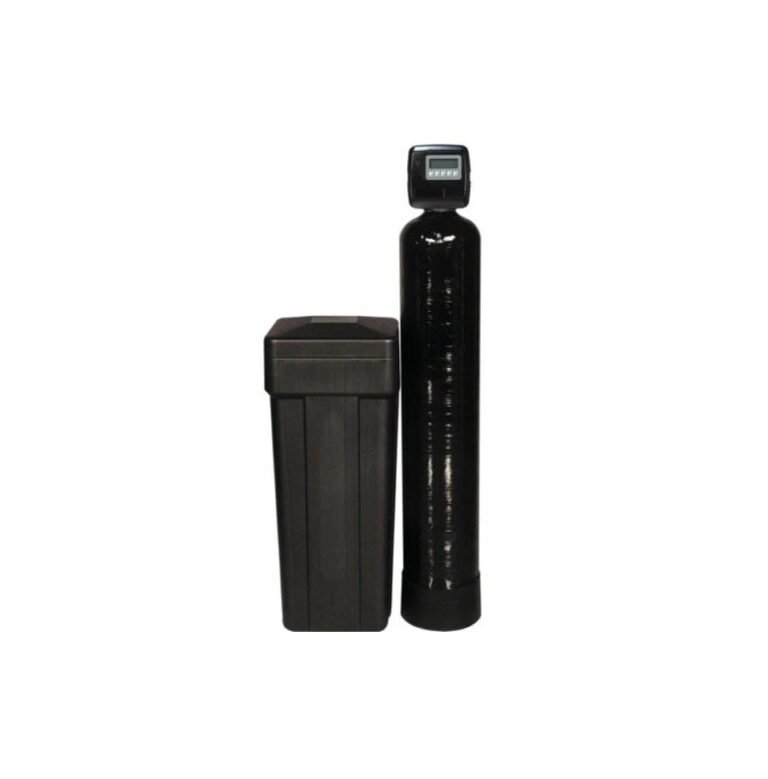
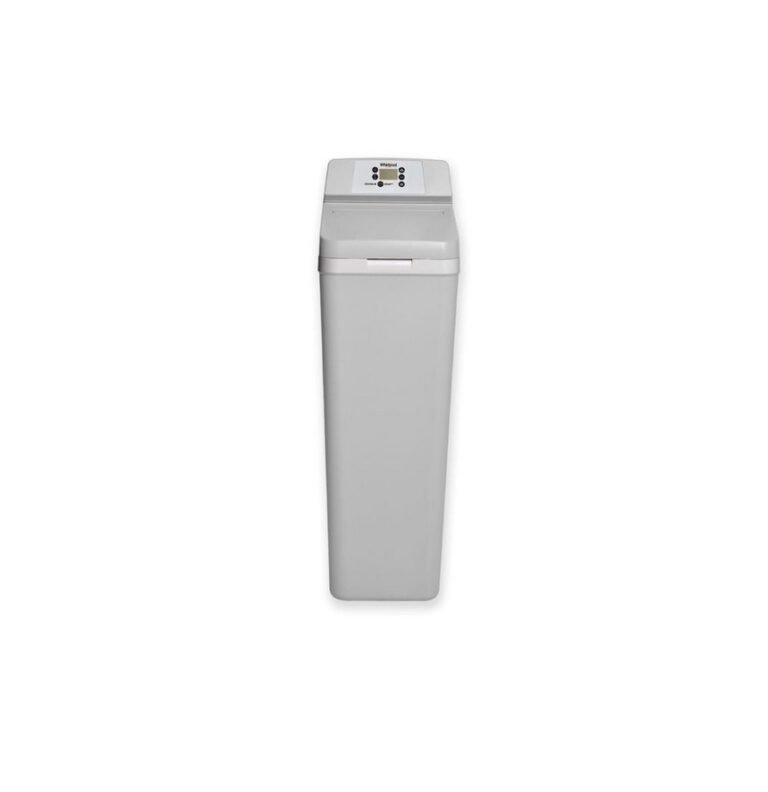
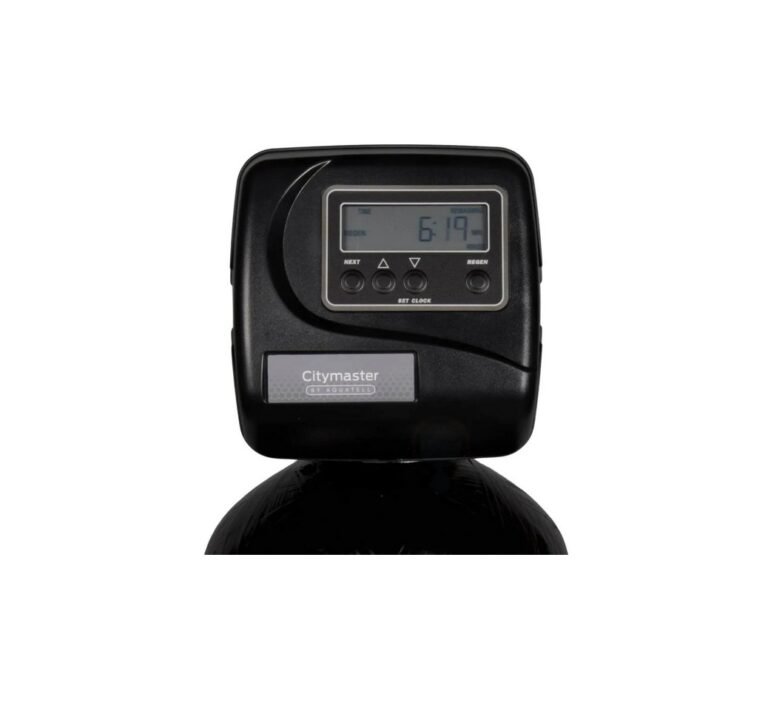
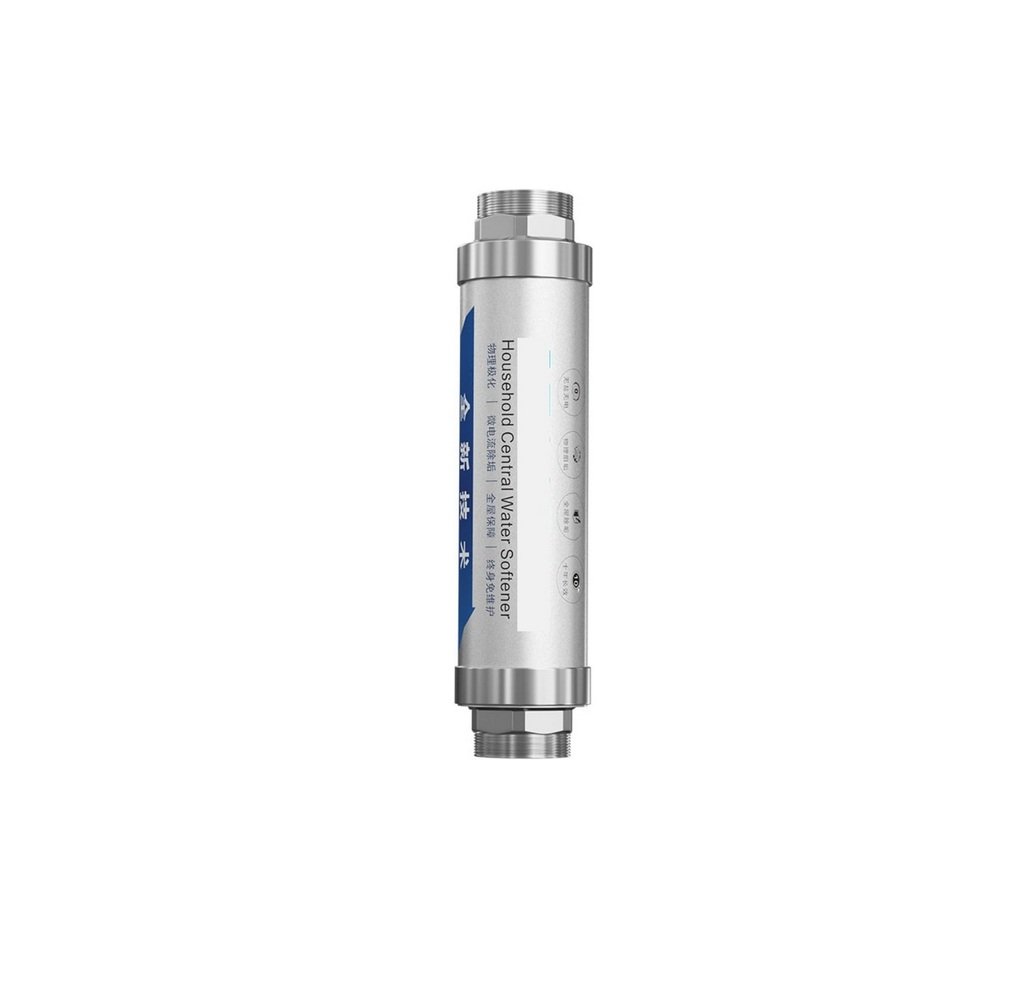
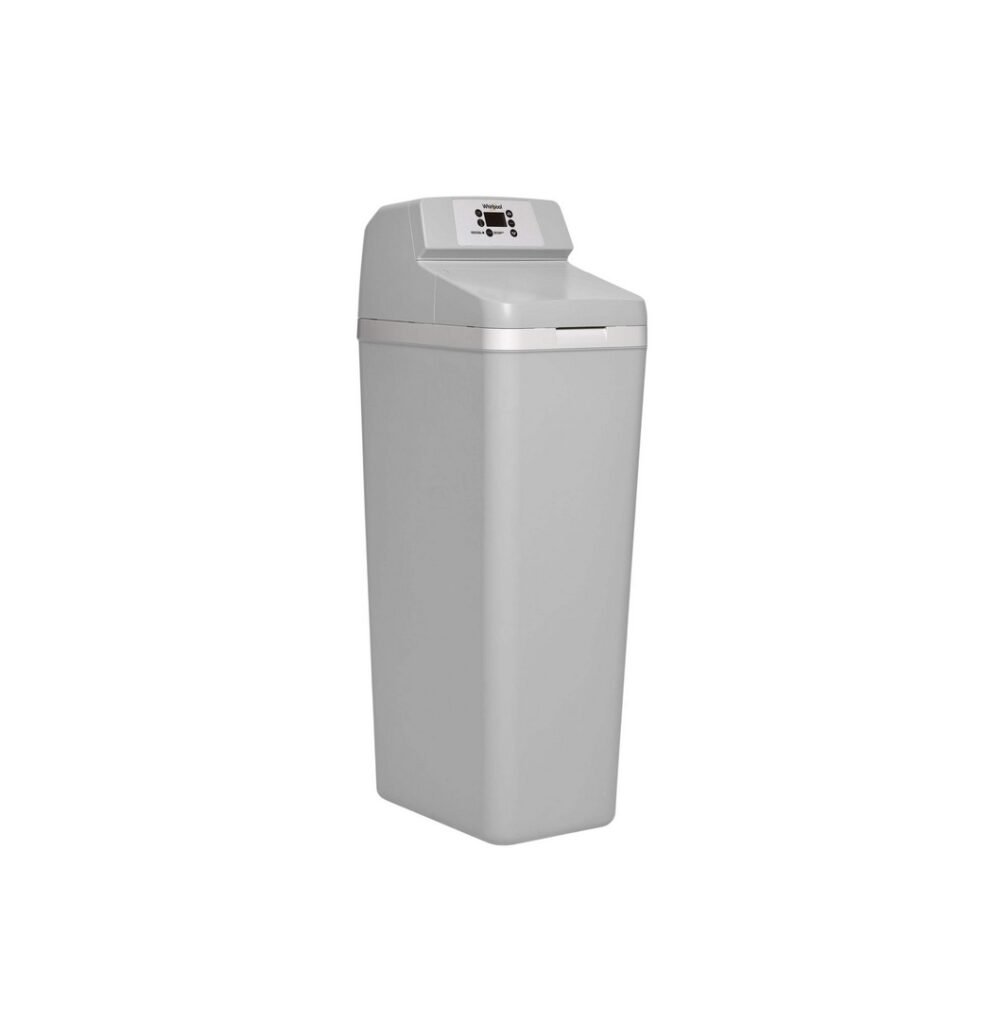
Managing the challenges posed by hard water is essential for maintaining the efficiency of plumbing systems and home appliances. One of the most effective solutions is to install a water softener. These devices work by removing calcium and magnesium ions, which are responsible for hardness, from the water supply. By exchanging these hard minerals with sodium or potassium ions, water softeners not only improve the quality of water but also extend the lifespan of plumbing fixtures and appliances.
Regular maintenance of plumbing and appliances is another crucial step in combating the effects of hard water. Homeowners should routinely check for mineral buildup in faucets, showerheads, and appliances such as dishwashers and washing machines. Descaling agents can be used periodically to remove any accumulated limescale, ensuring that these devices operate smoothly and efficiently. When notices of increased energy costs or decreased water flow occur, inspecting plumbing for hard water deposits can prevent potential issues before they escalate into more significant concerns.
Additionally, choosing specific cleaning agents designed to counteract hard water effects can make a notable difference. Many commercial cleaners are formulated to dissolve mineral deposits and prevent their buildup on surfaces. Utilizing these products in conjunction with regular cleaning routines will help maintain the appearance and functionality of sinks, tubs, and other household surfaces. Some homeowners also benefit from utilizing vinegar or baking soda as natural alternatives for combating limescale in areas heavily affected by hard water.
Ultimately, understanding and implementing these solutions equips homeowners with the knowledge necessary to effectively mitigate the impact of hard water, ensuring that their plumbing and appliances continue to perform optimally over time.