The Impact of Hard Water on Your Home Pipes: A Hidden Hazard
Hard water is defined as water that contains a significant concentration of dissolved minerals, primarily calcium and magnesium. These minerals originate from natural sources such as limestone, chalk, and gypsum, or can derive from the erosion of soil and rocks in a given area. The classification of hard water varies based on its mineral concentration, typically measured in parts per million (ppm) or grains per gallon (gpg). This classification divides hard water into categories ranging from soft (less than 60 ppm) to very hard (over 180 ppm).
Hard water is especially prevalent in regions with high mineral content in the local geology. As water moves through these mineral-rich environments, it absorbs calcium and magnesium ions, which contribute to its hardness. Regions such as the Midwest and areas near mountain ranges often experience higher instances of hard water due to their geological composition. This prevalence can lead to extensive challenges for homeowners, as hard water can cause scale buildup in pipes, appliances, and fixtures.
The significance of hard water in residential plumbing cannot be overstated. Over time, the accumulation of limescale and mineral deposits can obstruct pipes, reduce water flow, and even lead to costly plumbing repairs. Furthermore, hard water can diminish the effectiveness of soaps and detergents, resulting in the need for increased cleaning products and potential damage to laundry and dishwashing appliances. As such, understanding the mineral composition and sources of hard water is crucial for homeowners aiming to mitigate its impact on their plumbing systems.
How Hard Water Affects Home Plumbing Systems
Hard water, characterized by high concentrations of dissolved minerals such as calcium and magnesium, can have a profound impact on home plumbing systems. One of the primary effects is the formation of scale within pipes and fixtures. This accumulation of mineral buildup leads to blockages that can significantly reduce water flow, causing delays in reaching desired water temperatures and pressures. Over time, this scaling can restrict water movement entirely, resulting in the need for expensive plumbing repairs or replacements.
Moreover, the mineral deposits often found in hard water can also degrade the integrity of plumbing fixtures. Faucets, showerheads, and aerators can become clogged due to scale buildup, exacerbating water flow issues and potentially leading to more extensive plumbing problems. Homeowners may notice decreased performance from their plumbing systems, which can be a frustrating experience. As scale continues to accumulate, it may even cause leaks due to increased pressure and wear on pipes.
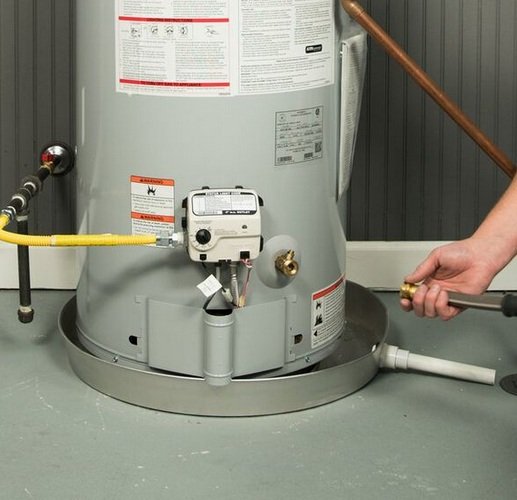
The impact of hard water extends beyond plumbing pipes; household appliances suffer as well. Water heaters, dishwashers, and washing machines are all affected by regular exposure to hard water. Scale can build up inside these appliances, hindering their efficiency and functionality. For example, water heaters may have to work harder to heat water effectively, leading to increased energy consumption and higher utility bills. In some cases, appliance lifespan can be significantly diminished as hard water leads to malfunction and technical failures.
In summary, the effects of hard water on plumbing systems and appliances present serious challenges for homeowners, emphasizing the need for effective water softening solutions to mitigate these concerns.
Signs of Hard Water Damage in Your Home Pipes
Hard water poses several challenges to household plumbing systems, and recognizing the signs of its impact is crucial for early intervention. One of the primary indicators of hard water damage is reduced water pressure. As mineral deposits accumulate within the pipes, they can restrict water flow, causing noticeable decreases in pressure. Homeowners might initially perceive this as a minor inconvenience, but prolonged exposure can lead to more significant plumbing issues.
Another common sign of hard water troubles is the presence of frequent clogs. The buildup of limescale and calcium deposits can create blockages in the pipes, increasing the likelihood of backups and expensive repairs. In particular, fixtures such as sinks and showerheads may require more frequent cleaning or even replacement due to the persistent issue of mineral accumulation.
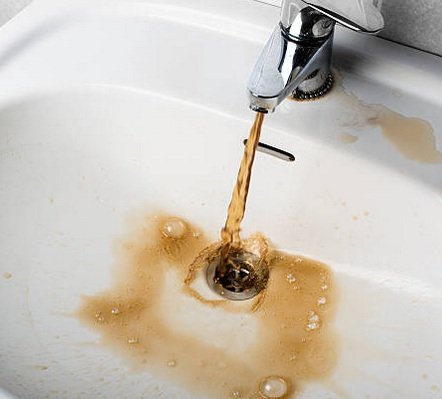
Visibly, mineral deposits can be seen on faucets, showerheads, and other fixtures, appearing as white or chalky stains. These deposits not only diminish the aesthetic appeal of bathrooms and kitchens but are also a strong indicator of hard water problems. Homeowners may notice that these mineral deposits accumulate more quickly in areas where water is most frequently used, highlighting areas that could benefit from closer monitoring.
The extent to which these signs manifest may vary depending on the type of plumbing system in place. For instance, older galvanized pipes are more susceptible to corrosion and buildup compared to newer PVC systems. This variation emphasizes the importance of regular plumbing inspections and maintenance, as early detection of hard water issues can prevent severe plumbing complications and costly repairs in the future.
Solutions and Preventive Measures for Hard Water Problems
Hard water can lead to various plumbing issues, including scale buildup in pipes and appliances. To mitigate these problems, homeowners can adopt several effective solutions and preventive measures. One of the most popular and efficient methods of treating hard water is the installation of a water softening system. These systems work by exchanging calcium and magnesium ions, which are responsible for hardness, with sodium ions. The result is softer water, which not only helps to reduce scale buildup but also improves the efficiency of water heaters and extends the lifespan of plumbing systems.
An essential aspect of managing hard water is conducting periodic maintenance of plumbing fixtures and appliances. Homeowners should schedule regular inspections to identify any signs of scale formation and address them promptly. This maintenance can include cleaning faucet aerators and showerheads, which can become clogged with mineral deposits, thereby improving water flow and quality.
Additionally, the use of descaling agents can effectively combat hard water issues. These agents, composed of chemicals designed to dissolve mineral deposits, can be applied to appliances such as dishwashers and washing machines. However, it is crucial to read and follow manufacturers’ guidelines when using these products to avoid any adverse effects on appliances.
An alternative approach to consider is the installation of a reverse osmosis system, which not only softens water, but also removes impurities, enhancing the overall quality of the drinking water. While this option may involve higher upfront costs, it can lead to long-term savings by protecting plumbing and appliances from damage due to hard water.
In conclusion, adopting these solutions and preventive measures can significantly help homeowners manage hard water problems. By implementing water softening systems, performing regular maintenance, and utilizing descaling agents, homeowners can protect their plumbing and appliances, ensuring their efficiency and longevity.