The Benefits of Installing a Reverse Osmosis (RO) System in Your Home
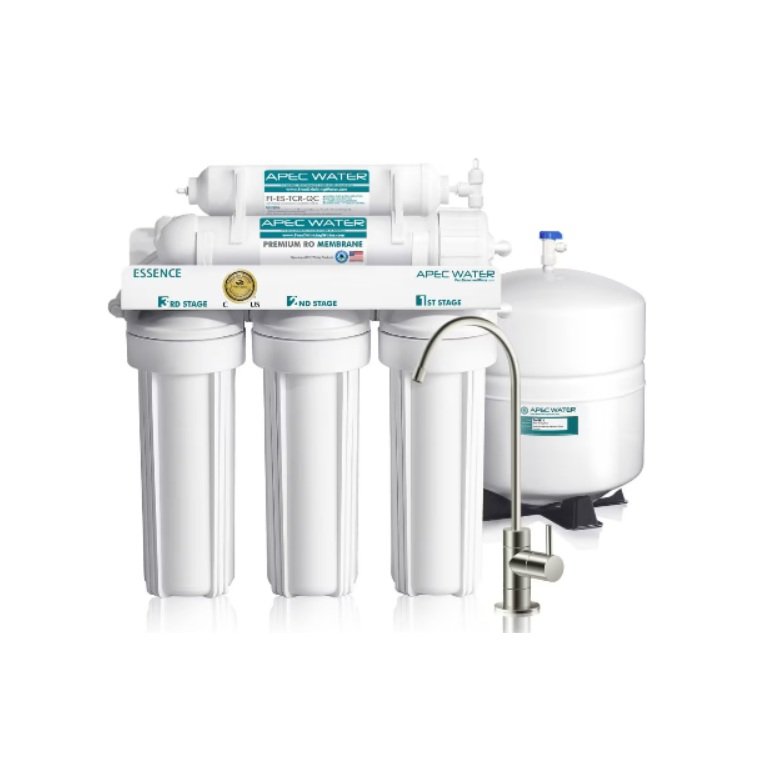
Reverse osmosis (RO) technology is a widely recognized process used for purifying water. This method employs a semi-permeable membrane, which allows only certain molecules, such as water, to pass through while blocking contaminants and impurities. The fundamental principle of reverse osmosis is to leverage osmotic pressure to remove unwanted particles from water, ensuring safe and clean drinking water.
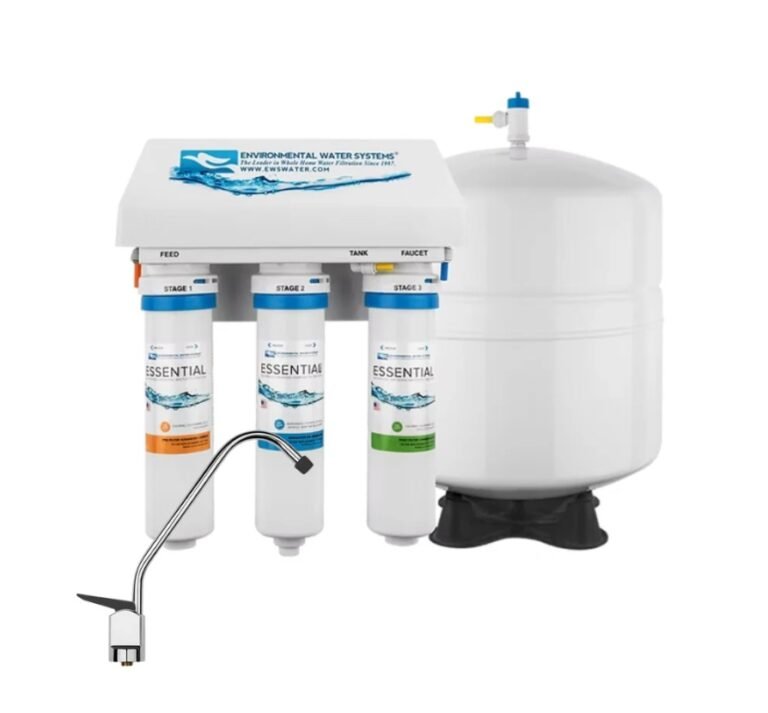
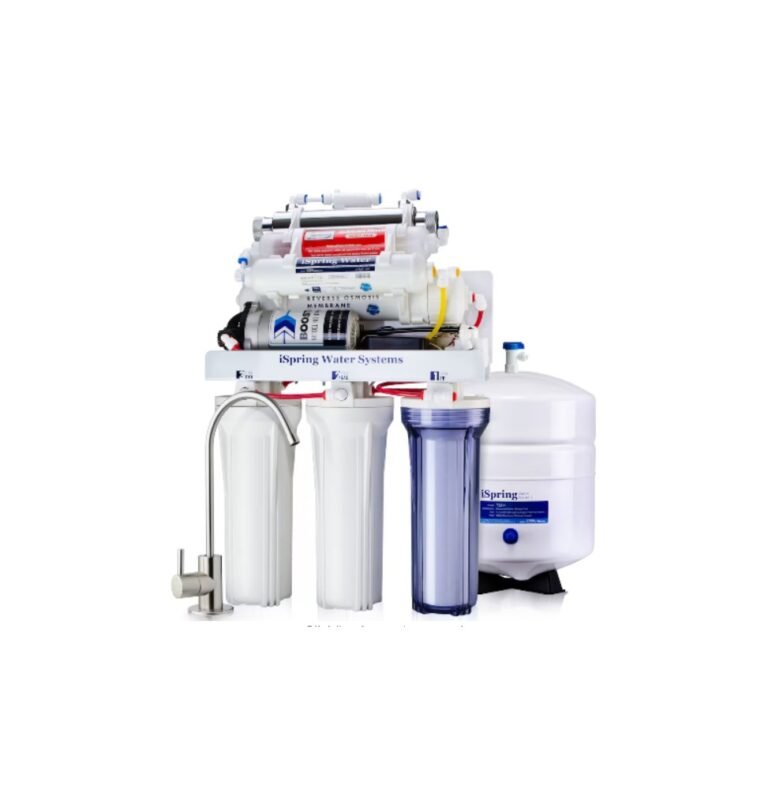
The RO system typically consists of several key components. Firstly, the pre-filters play a vital role by removing larger sediment, chlorine, and other contaminants before the water enters the membrane. This stage is crucial, as it extends the lifespan of the more delicate RO membrane. Following the pre-filters, water flows through the membrane, which is the heart of the reverse osmosis system. It effectively removes up to 99% of dissolved solids, including heavy metals, salts, and microscopic pathogens, ensuring that the filtered water is not only clean but also safe for consumption.
Once the purification process occurs, the resultant purified water is stored in a dedicated storage tank, ready for use. The contaminants that are filtered out are flushed away, typically through a drain line, ensuring they do not re-enter the drinking supply. This innovative technology is particularly advantageous in areas with poor water quality, as it significantly improves the palatability and safety of the water.
Understanding how reverse osmosis works forms the foundation for appreciating its significance in modern water treatment solutions. Its efficiency and effectiveness in eliminating a wide range of contaminants make it a reliable choice for ensuring the quality of drinking water in households. With increasing awareness of water quality issues, RO systems are becoming essential fixtures in many homes.
Enhanced Water Quality and Taste
Installing a reverse osmosis (RO) system in your home can significantly enhance the quality and taste of your drinking water. One of the primary benefits of an RO system is its ability to effectively remove a wide range of impurities and contaminants. It utilizes a semi-permeable membrane to filter out harmful substances such as lead, chlorine, fluoride, and other particulates that may be present in your municipal water supply.
The process of reverse osmosis not only eliminates these potentially harmful impurities but also vastly improves the overall taste of the water. For many households, the taste of tap water can be affected by chlorine and other chemicals used during the treatment process. An RO system effectively reduces these substances, resulting in cleaner, fresher-tasting water. Consumers often find that water purified through reverse osmosis is not only more palatable but also encourages increased hydration, which is vital for maintaining good health.
Furthermore, the importance of water quality extends beyond personal preference; it plays a vital role in cooking and food preparation. Poor water quality can impact the flavors of meals and beverages, making an RO system a worthy investment for culinary enthusiasts. When you use purified water for cooking, the flavors and aromas of your ingredients are allowed to shine through, elevating your overall dining experience. Additionally, cleaner water contributes to better hygiene practices in food preparation, minimizing the possibility of introducing contaminants into your meals.
In summary, a reverse osmosis system improves both the quality and taste of your home’s drinking water, enhancing your overall health and culinary experiences. By investing in an RO system, you are not only ensuring access to cleaner water but also promoting a healthier lifestyle for you and your family.
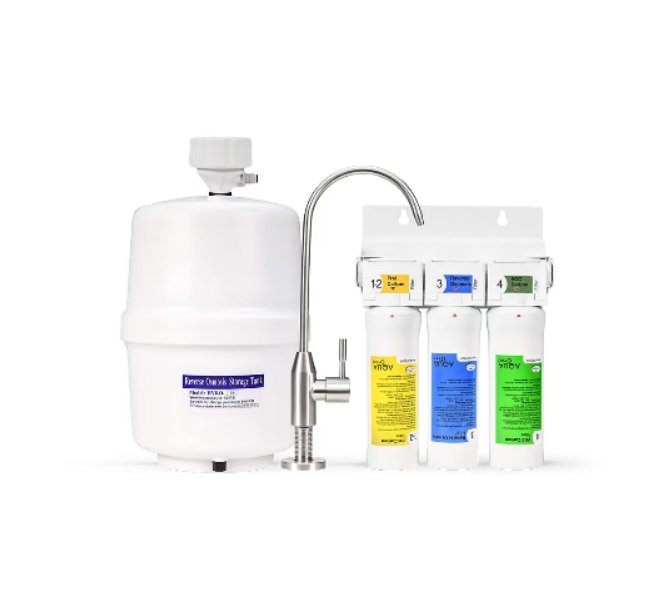
Consuming purified water is paramount for maintaining overall health, and installing a reverse osmosis (RO) system in your home can play a significant role in achieving this. RO systems effectively remove a wide array of contaminants, including heavy metals, chlorine, and bacteria, which can pose serious health risks. With the elimination of these impurities, the likelihood of waterborne diseases is considerably reduced, providing peace of mind that your household is consuming safer water.
One of the primary health benefits of drinking water filtered through a reverse osmosis system is enhanced hydration. Access to pure water encourages individuals to consume sufficient fluids throughout the day, which is essential for various bodily functions. Proper hydration aids in regulating body temperature, supports kidney function, and is crucial for maintaining optimal digestion. Furthermore, when impurities are removed, the water tastes better, which can lead to increased water consumption.
Hydration also extends its benefits to skin health. Drinking sufficient amounts of clean, purified water can help keep the skin moisturized and reduce the appearance of dryness. Additionally, by avoiding contaminants that could lead to skin irritations or adverse reactions, individuals may experience less acne and clearer skin overall.
Moreover, quality hydration can support digestive health. Drinking purified water can aid in the digestion process by facilitating nutrient absorption and preventing constipation. The clean water provided by an RO system removes harmful substances, ensuring that what you are ingesting supports your digestive system rather than harming it.
In summary, the health benefits associated with drinking purified water from a reverse osmosis system are substantial. From reducing the risk of diseases to promoting better hydration, skin health, and digestion, an RO system can be a valuable addition to any home, contributing to the overall well-being of its occupants.
Installing a reverse osmosis (RO) system in your home not only enhances the quality of drinking water, but it also serves as a cost-effective solution over time. One of the most significant financial advantages of an RO system is the substantial reduction in bottled water expenses. Consumers often overlook the cumulative annual spending on bottled water. Studies indicate that households can spend hundreds to thousands of dollars yearly on purchasing bottled water, especially in areas where tap water is not potable. By utilizing an RO system, families can effectively eliminate this recurring expense while enjoying high-quality filtered water directly from their taps.
Furthermore, the initial investment in an RO system is offset by these savings. After installation, the operational costs, which include periodic filter replacements and maintenance, remain relatively low in comparison to the constant purchases of bottled water. Over the lifespan of the RO system, which can typically last for many years with proper upkeep, homeowners will notice a significant financial return on their investment.
In addition to the economic benefits, the environmental impact of reducing plastic bottle usage cannot be understated. The production and disposal of plastic water bottles contribute immensely to pollution and waste. By installing an RO system, households play a pivotal role in minimizing plastic waste. With fewer bottles being purchased and discarded, there is a corresponding reduction in landfill contributions and a lower carbon footprint associated with plastic production and transportation. Hence, an RO system not only promotes individual savings but also fosters an environmentally responsible lifestyle.
Choosing to install a reverse osmosis system aligns financial prudence with eco-friendly practices, making it a worthy consideration for families seeking both economic savings and environmental sustainability.