Testing Your Water Heater Continuity: Annual Maintenance for Optimal Performance
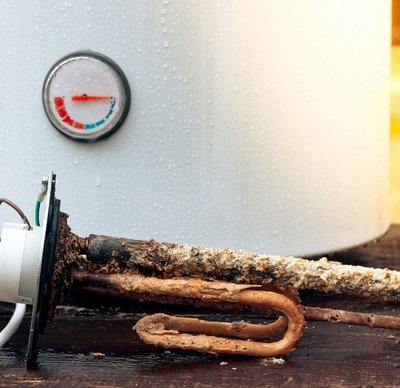
Water heater continuity refers to the electrical continuity of the heating elements within a water heater system. It is an essential aspect of water heater maintenance, as it ensures that the heating elements operate efficiently and effectively. Continuity testing checks whether the electrical circuit connecting these elements is intact, thereby allowing electricity to flow properly. If continuity is lost, it signifies that one or more components are not functioning correctly, which can lead to inadequate heating and hot water supply.
Within any conventional water heater, the heating elements are responsible for warming the water, and their proper functionality is crucial for the overall performance of the appliance. If these elements are compromised due to a lack of continuity, the system may experience erratic heating tendencies, prolonged heating times, or even complete failure to heat water. Regular continuity testing ensures that these heating elements are working as intended, thereby extending the appliance’s lifespan and maintaining optimal performance.
Neglecting to conduct this annual test can result in significant consequences. Inefficiencies in the heating process can lead to increased energy costs, as the water heater will require more electricity to achieve desired temperatures. Furthermore, without proper electrical continuity, components may overheat, signaling a potential risk for electrical failure or fire hazards. This not only causes inconvenience but can also necessitate costly repairs or replacements, ultimately impacting the household budget. Therefore, it is imperative to incorporate water heater continuity monitoring into regular maintenance routines to prevent such issues from arising and ensure seamless operation throughout the year.
How to Test Your Water Heater’s Continuity: A Step-by-Step Guide
Testing the continuity of your water heater’s heating elements is an essential part of annual maintenance. This process helps ensure that your unit operates efficiently, ultimately saving energy and enhancing performance. Below is a comprehensive guide detailing the necessary tools, safety precautions, and step-by-step instructions for conducting a continuity test using a multimeter.
Tools Required:
To carry out the continuity test, you will need the following tools:
1. A multimeter – This device measures voltage, current, and resistance, crucial for testing continuity.
2. Screwdriver set – Used to remove access panels and screws.
3. Insulated gloves – These are important for your safety while working with electrical components.
Safety Precautions:
Before starting, it is vital to prioritize your safety. Always disconnect power to the water heater at the circuit breaker. Wearing insulated gloves protects you from accidental shocks. Additionally, ensure that the area around the water heater is dry and free from any hazards that could cause slips or falls.
Step-by-Step Instructions:
1. Begin by turning off the power to the water heater at the circuit breaker to prevent any risk of electrocution.
2. Use a screwdriver to remove the screws on the access panel of the water heater. This will allow you to access the heating elements.
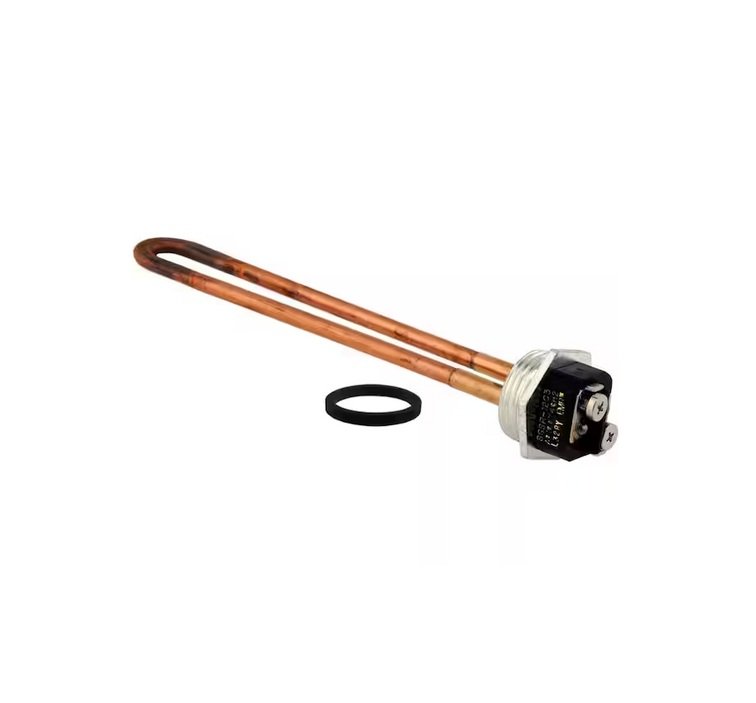
3. Identify the terminals on the heating elements. You will typically find two terminals, which are connected by wires.
4. Set your multimeter to the ohm setting to measure resistance. Then, touch one probe to each terminal of the heating element. If the multimeter displays a reading between 10-100 ohms, the element has continuity. Conversely, if there is no reading, the element may be faulty and require replacement.
By following these steps, you can ensure the proper functioning of your water heater’s heating elements, thus enhancing the overall efficiency of your water heating system.
Interpreting Results: Understanding Your Water Heater’s Performance
After completing the continuity test on your water heater, interpreting the results accurately is essential to ensure optimal performance. A reading that indicates continuity throughout the heating elements signifies that they are functioning correctly. Conversely, a lack of continuity suggests potential issues that must be addressed for efficient operation.
Good readings typically exhibit a low resistance, often measured in ohms, indicating that the heating elements are intact and capable of conducting electricity as intended. In contrast, a high resistance or infinite reading may signal a broken element or a connection problem, suggesting that immediate action is needed to avoid performance degradation. Should you encounter poor continuity results, further troubleshooting is warranted to identify the root cause.
If the continuity test reveals a faulty heating element, it is advisable to replace it. Assess the specific type of water heater you have, as electric and gas models may have differing procedures for element replacement. It is generally prudent to consult the manufacturer’s guidelines or engage a certified technician to ensure proper installation and safety.
Additionally, continuous poor continuity can lead to common water heater issues such as inadequate heating, fluctuating water temperatures, or increased energy consumption. These symptoms often indicate that the water heater is not operating at its peak efficiency, which can result in higher utility costs over time. Regular maintenance, including continuity tests, not only extends the lifespan of your water heater but also promotes reliable and consistent performance. By ensuring that all components are functioning correctly, you can prevent costly repairs and maintain optimal water heating efficiency.
The Importance of Regular Maintenance: Benefits of Annual Testing
Conducting annual testing of your water heater’s continuity is an essential aspect of regular maintenance that holds numerous benefits. One significant advantage is the potential to prolong the lifespan of the water heater. Regular inspections can help identify minor issues before they escalate into larger, more costly problems. By maintaining proper functionality, homeowners can enjoy a dependable hot water supply for an extended period.
Another key benefit of annual testing is enhanced energy efficiency. Water heaters account for a substantial portion of energy consumption in homes. When these units are well-maintained, they operate more efficiently, potentially leading to lower utility bills. The optimization of performance can be attributed to the early detection of issues like sediment buildup or electrical malfunctions that may hinder efficiency.
Additionally, routine testing serves as a preventive measure that can reduce unexpected repair costs. Identifying and rectifying issues early can help avoid emergency repairs that often come with a higher price tag. The peace of mind that comes from knowing your water heater is functioning properly can be invaluable, fostering a sense of reliability in your home’s hot water supply.
Lastly, the consistency of hot water supply is a vital aspect of daily life. Regular maintenance ensures that the water heater functions at its optimal capacity, reducing the likelihood of sudden disruptions in hot water availability. It is advisable for homeowners to develop a comprehensive maintenance schedule that includes annual testing of the water heater. Consulting with professional inspectors can further enhance the health of these water heating systems, ensuring safety and reliability. By investing in annual maintenance, you safeguard not only your appliance but also your comfort and convenience at home.