Tank vs Tankless Water Heaters: Pros and Cons
Traditional tank water heaters are a widely used solution for residential and commercial hot water needs. These units operate by storing a specific amount of hot water in a tank, which is then readily available for use. The design of these heaters includes an insulated tank, typically ranging in capacity from 20 to 80 gallons, ensuring a consistent supply of hot water to meet daily demands.
The operation of a tank water heater is relatively straightforward. An energy source, such as electricity, natural gas, or propane, heats the water that fills the tank. The heating elements or burners can take a considerable time to warm the water, influenced by the tank’s size and the desired temperature setting. Depending on the model, it may take anywhere from 30 to 60 minutes to heat a full tank, which is an important consideration for users with high hot water consumption.
Energy efficiency can vary with traditional tank water heaters. Tanks utilize energy even when not in active heating, known as standby heat loss. This characteristic can lead to increased monthly energy bills, depending on the insulation quality and the frequency of hot water usage. Consequently, it is wise for consumers to evaluate their needs and choose a tank with an appropriate capacity to minimize ongoing expenses.
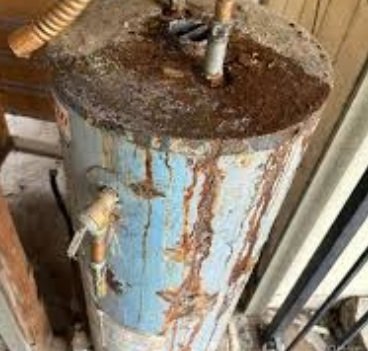
In terms of lifespan, traditional tank water heaters generally last about 10 to 15 years, contingent on the maintenance, water quality, and the specific model. They are particularly beneficial in environments where high volumes of hot water are required at peak times, such as for multiple showers or laundry runs. As a result, for many households, these heaters remain a practical choice, balancing initial costs and reliable performance.
Exploring Tankless Water Heaters
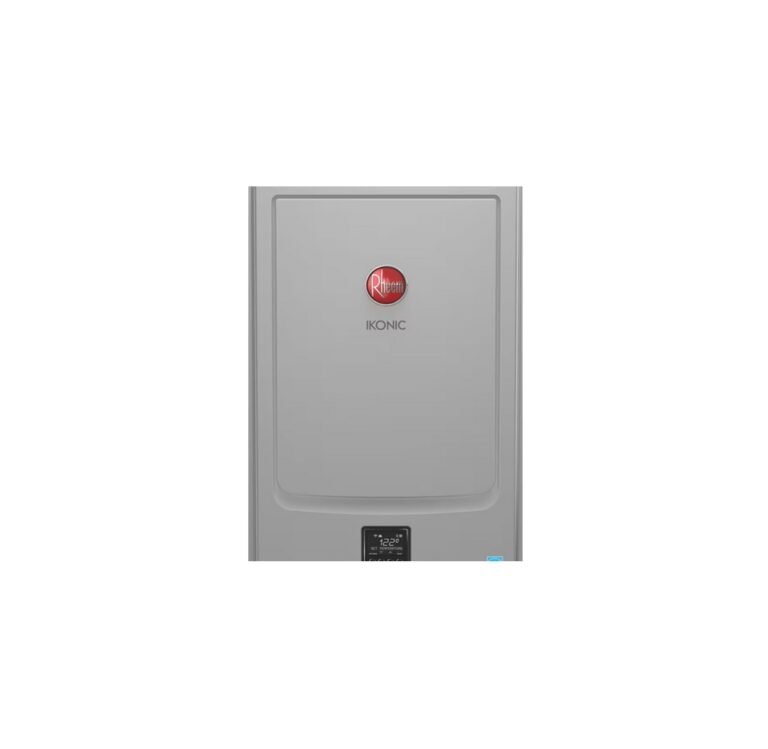
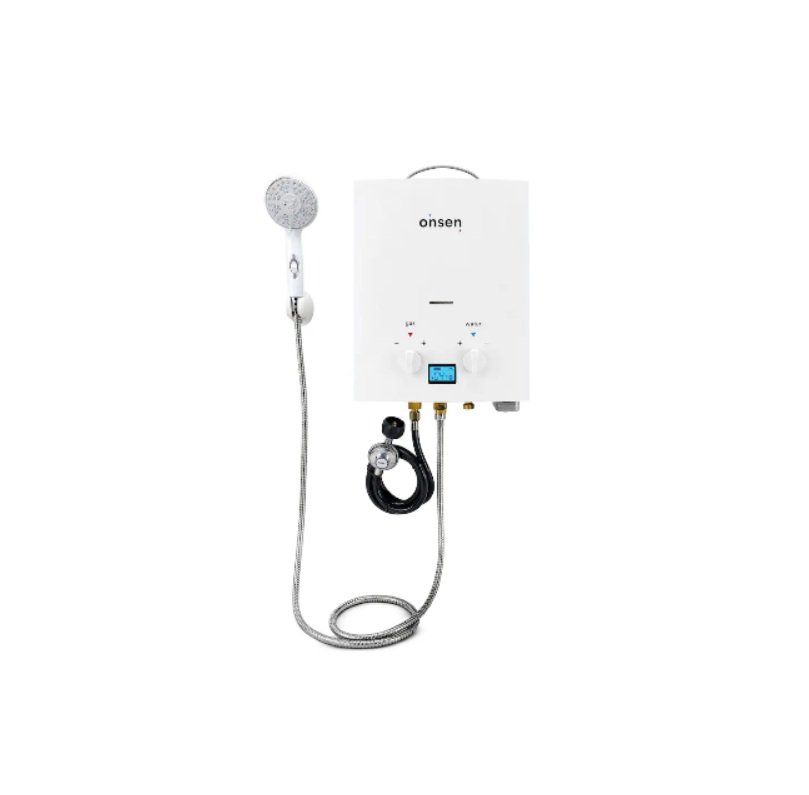
Tankless water heaters, often referred to as on-demand water heaters, represent a modern solution to hot water needs by eliminating the need for a storage tank. Unlike traditional systems, which maintain a reservoir of heated water, tankless models heat water directly as it flows through the unit. This technology allows homeowners to enjoy an uninterrupted supply of hot water, which can be particularly beneficial during peak usage times.
One of the primary advantages of tankless water heaters is their fuel efficiency. These units only operate when hot water is needed, reducing energy consumption and potentially resulting in lower utility bills. According to various studies, tankless systems can be up to 30% more efficient than conventional heaters, especially for smaller households. Furthermore, many units are designed to last longer than traditional models, often exceeding 20 years with proper maintenance, which increases their overall cost-effectiveness.
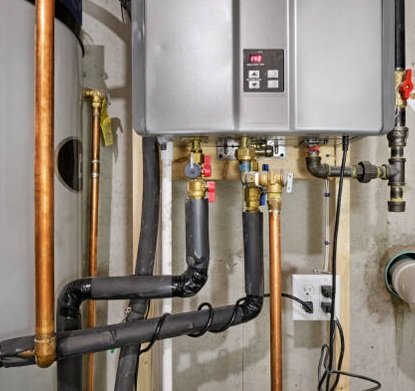
In addition to efficiency, tankless water heaters offer significant space-saving benefits. Traditional water heaters can take up considerable space, whereas tankless models are compact and can be mounted on walls. This design flexibility makes them ideal for smaller homes or condominiums where space is at a premium. Furthermore, some units are available for both indoor and outdoor installation, giving homeowners additional options based on their specific needs.
In the market today, a wide variety of tankless water heater models are available, each with different energy source options, including natural gas, propane, and electric. Homeowners can select a model that best fits their energy availability and preferences. Additionally, tankless systems are versatile and suitable for a range of applications, from supplying hot water to a single faucet to supporting the hot water needs of an entire household.
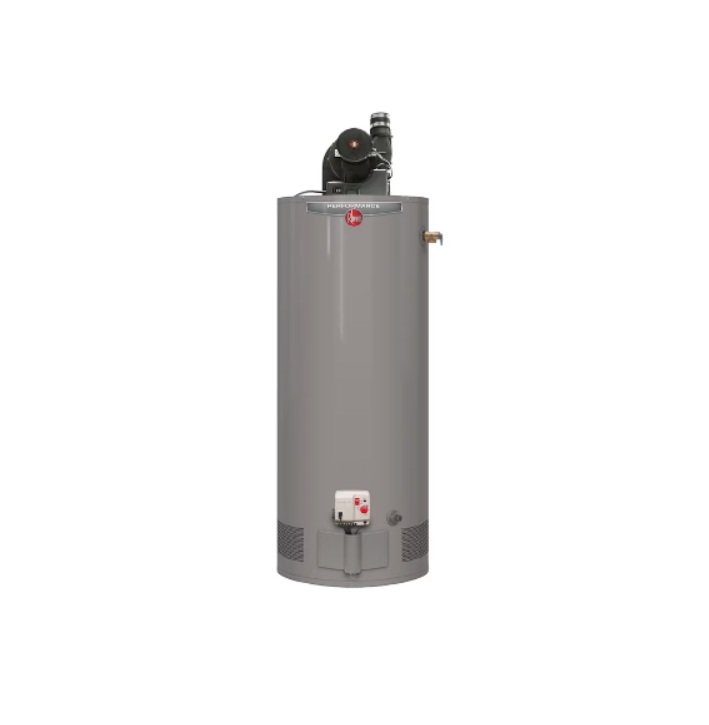
Pros and Cons of Tank Water Heaters vs. Tankless Water Heaters
When considering water heating solutions, it is essential to weigh the advantages and disadvantages of both tank and tankless water heaters. Tank water heaters, commonly known as traditional water heaters, hold a significant volume of hot water, usually ranging from 20 to 80 gallons. This ensures that homes have a constant supply of hot water, which can be particularly beneficial for households with high hot water demands. One notable advantage of tank water heaters is their lower initial cost, making them an attractive option for budget-conscious homeowners.
However, tank water heaters do tend to consume more energy due to the heat loss from the storage tank, leading to higher utility bills over time. Furthermore, their recovery rate, which indicates how quickly they can heat water, can be a limiting factor, especially in larger households that use hot water concurrently across multiple appliances.
On the other hand, tankless water heaters, often referred to as on-demand water heaters, heat water directly without the need for a storage tank. This results in enhanced energy efficiency since they only operate when hot water is required. This feature can lead to substantial savings in energy costs for homeowners. Moreover, tankless systems offer an indefinite supply of hot water, which is advantageous for families that require a continuous flow.
Nevertheless, tankless water heaters have higher upfront costs and may require specific installation considerations, which can add to the overall investment. The time taken for a tankless heater to initiate heat can also be a disadvantage for some, as there may be a slight delay in hot water delivery. Ultimately, the choice between tank and tankless water heaters depends on factors such as household size, hot water usage, budget, and energy efficiency preferences.
Making the Right Choice for Your Home
Choosing between a tank and a tankless water heater involves careful consideration of various factors that align with your household’s specific needs. Begin by assessing your hot water usage. For households that frequently require large volumes of hot water simultaneously—for example, running multiple showers and kitchen appliances—tank water heaters may offer an advantage due to their storage capacity. Conversely, if your household typically uses hot water sporadically throughout the day, a tankless model can provide immediate hot water on demand while saving energy in the long run.
Next, evaluate the installation requirements for each type of system. Tank water heaters usually require a larger installation area due to their size, while tankless systems are more compact and can be installed in smaller spaces. However, tankless units may necessitate modifications to existing gas lines or electrical systems, which can incur additional expenses. Understanding these requirements can influence your decision significantly, particularly if space is a limitation in your home.
Consider your budget as well; tank systems generally have a lower initial purchase and installation cost compared to their tankless counterparts. Yet, it is crucial to examine the long-term operational costs, including energy bills, as tankless systems tend to be more energy-efficient and offer savings over time. Additionally, factor in potential future demands for hot water. If you anticipate an increase in household size or hot water usage, a tankless system could be a more future-proof investment.
Lastly, consulting a professional can provide you with personalized recommendations based on your unique requirements. A qualified technician can assess your home’s water heating needs, ensuring you select the most suitable option for both your current and future hot water demands.