Tank vs. Cabinet Water Softeners: Which is Right for You?
Water softeners are devices designed to treat hard water by eliminating specific minerals that contribute to its hardness, primarily calcium and magnesium. Hard water can create various problems in households, such as scaling in pipes and water heaters, reduced efficiency in soap and detergent usage, and unsightly spots on dishes and glassware. By using a water softener, homeowners can enhance the quality of their water supply, making it more suitable for everyday tasks.
The principal mechanism employed by water softeners is known as ion exchange. This process involves the exchange of hardness ions (calcium and magnesium) present in hard water with sodium ions contained within the water softener’s resin beads. When hard water enters the softener, it passes through a tank filled with these resin beads. The negatively charged resin beads attract the positively charged calcium and magnesium ions, effectively removing them from the water. In return, sodium ions are released into the water, resulting in softened water that is less likely to cause scale buildup.
Water softeners typically operate in two stages: the service cycle and the regeneration cycle. During the service cycle, hard water is processed, treated, and delivered to the home. After a predetermined amount of water has been softened, the resin beads become saturated with hardness ions and require regeneration. During the regeneration cycle, a salt solution is used to flush out the calcium and magnesium ions from the resin beads, replenishing them with sodium ions so that the system can effectively continue its function. This dual-cycle operation ensures a continuous supply of softened water while maintaining the integrity of the softener system.
Tank Water Softeners: Advantages and Disadvantages
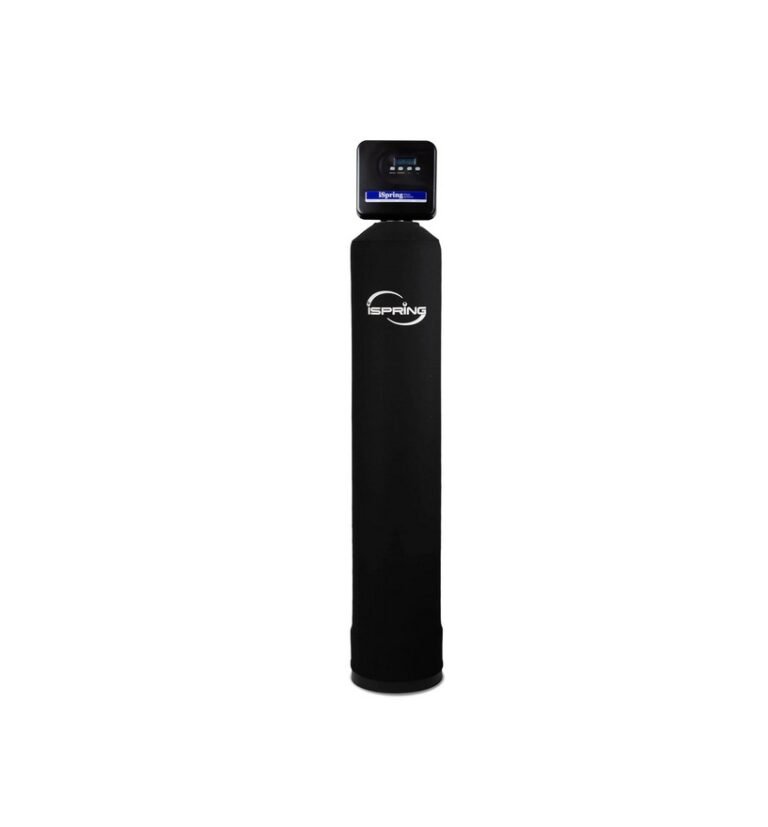
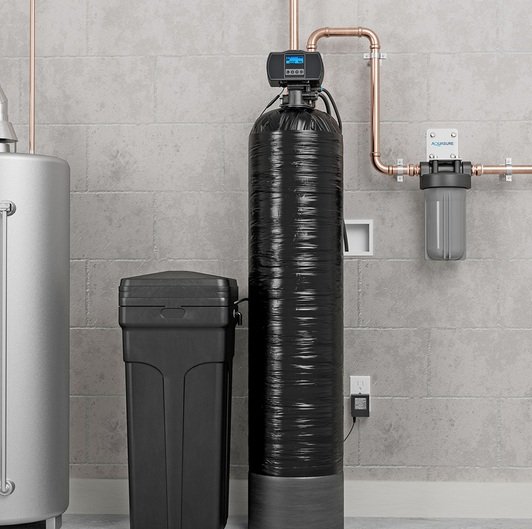
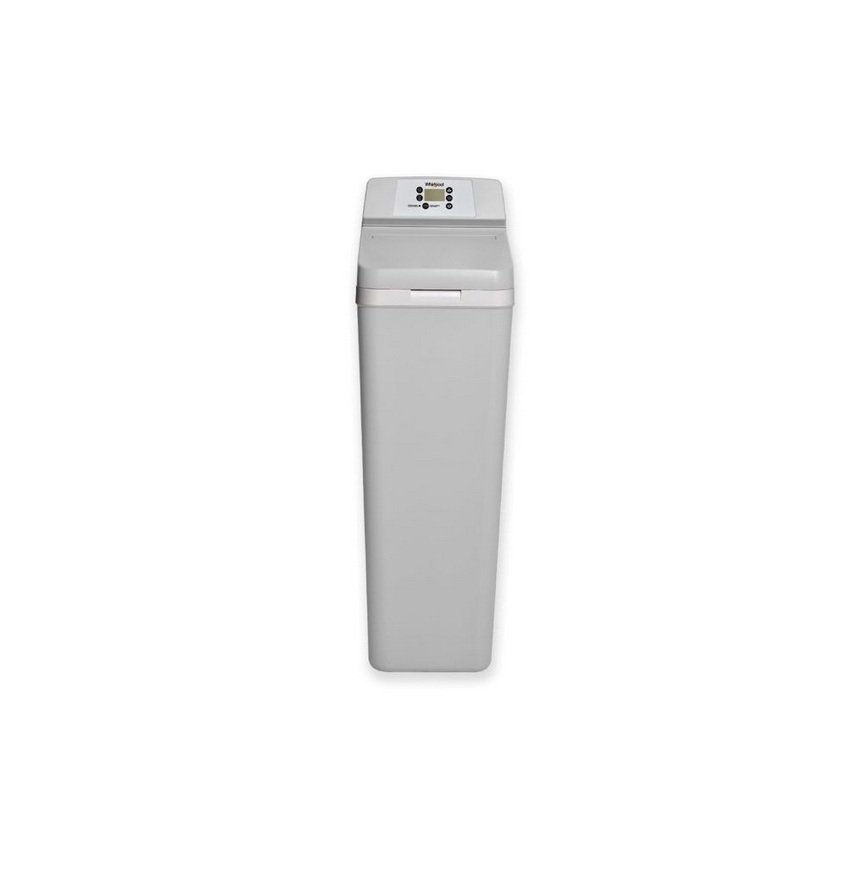
Tank water softeners are commonly used to treat hard water by utilizing the ion exchange process. This process effectively reduces the hardness minerals, such as calcium and magnesium, which can lead to scale buildup in plumbing and appliances. One of the primary advantages of tank water softeners is their high capacity, making them suitable for households with significant water usage. By storing a large volume of softened water, these systems can provide a continuous supply, ensuring that hard water issues are minimized even during peak demand periods.
Moreover, tank water softeners often come equipped with advanced features such as programmable controls and monitoring systems that enhance their efficiency. Many models can regenerate automatically based on water usage, optimizing salt consumption and minimizing waste. This adaptability and efficiency in handling large amounts of water make tank units a favored choice for families with more extensive needs.
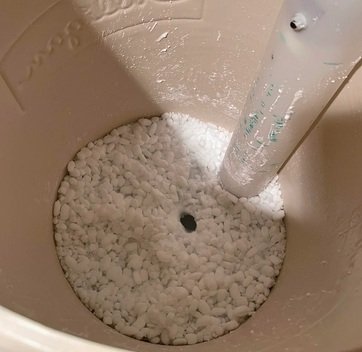
However, despite their advantages, tank water softeners do bring some disadvantages. Their larger design can occupy significant space, making installation in smaller settings challenging. Homeowners must also consider the ongoing maintenance involved, such as regular salt replenishment. Depending on the specific model and local water conditions, this maintenance could be a noteworthy inconvenience. Additionally, tank systems may encounter issues related to salt bridging or mushing, where salt forms solid masses, potentially hindering the softening process and requiring troubleshooting.
In summary, while tank water softeners provide substantial benefits in terms of capacity and effectiveness for large volumes of water, they also come with considerations regarding installation space and maintenance demands. Evaluating these factors can guide potential users towards making an informed decision that aligns with their specific water softening needs.
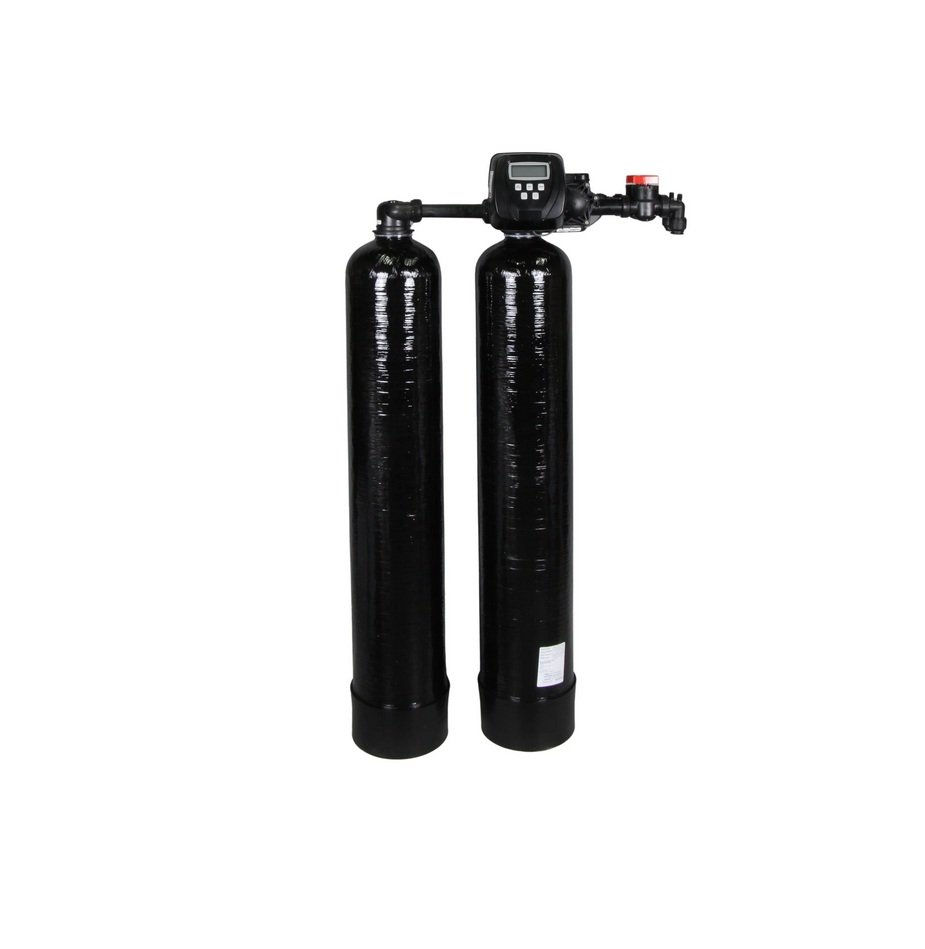
Cabinet Water Softeners: Advantages and Disadvantages
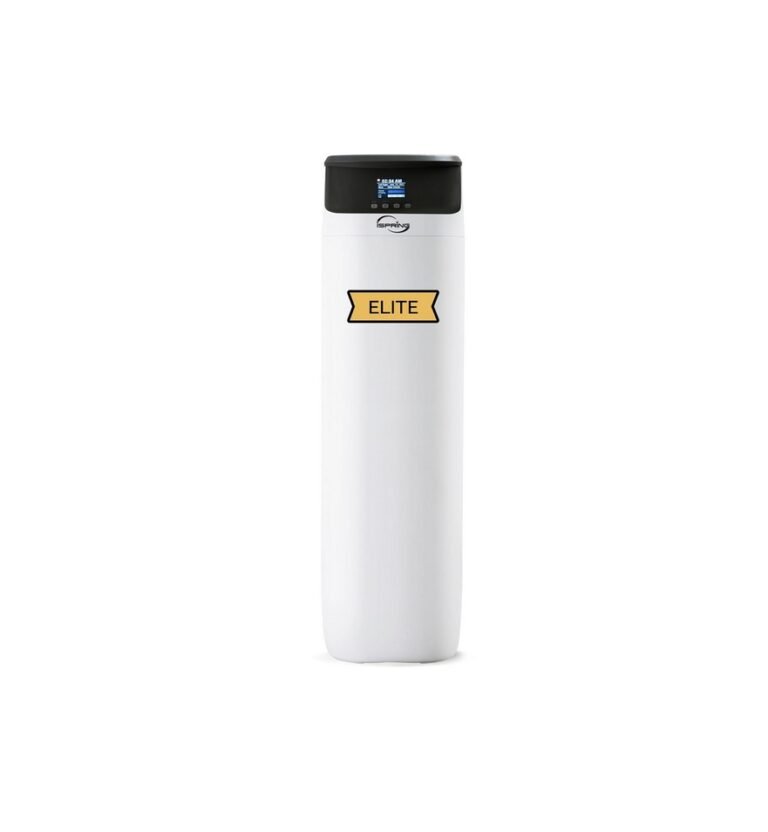
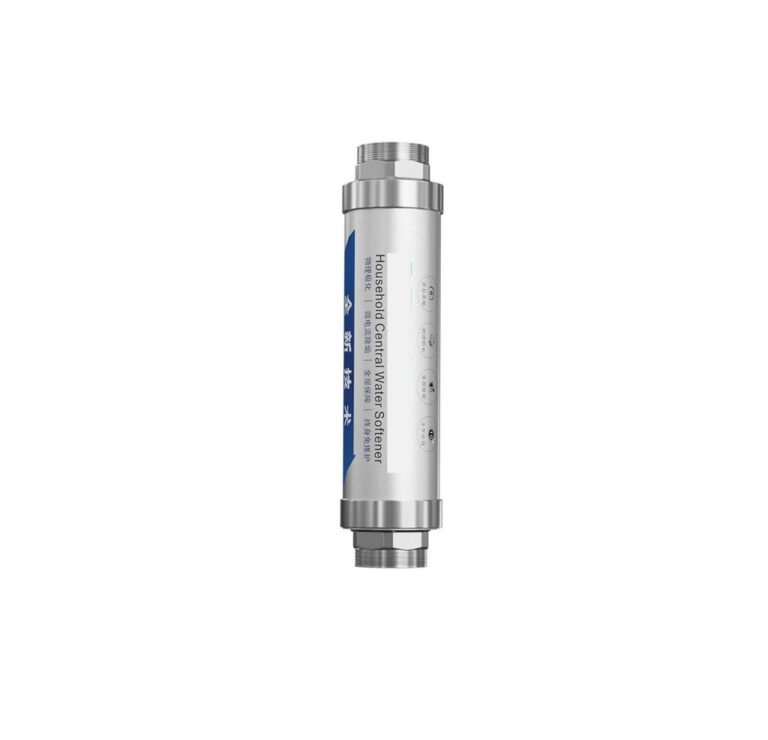
Cabinet water softeners, often designed for compact spaces, provide an appealing solution for individuals or families dwelling in apartments or smaller homes. Their streamlined construction allows them to fit underneath sinks or in tight utility areas, making them a practical option for those constrained by space.
One notable advantage of cabinet water softeners is their ease of installation. Typically, these systems come with user-friendly installation kits, enabling homeowners to set them up without the need for professional assistance. Furthermore, they generally require a smaller initial investment compared to traditional tank water softeners, allowing for a more budget-friendly option for those looking to reduce hard water issues.
However, there are inherent limitations associated with cabinet water softeners that potential buyers should consider. One significant drawback is their capacity. Due to their compact size, these systems may not be suitable for larger households with high water demands. As a result, homeowners with extensive plumbing systems might find that cabinet water softeners do not meet their needs effectively. Users may experience the necessity for more frequent regeneration cycles, which could lead to increased salt usage and overall operational costs.
Moreover, the effectiveness of cabinet water softeners may diminish when faced with very hard water conditions. While they can efficiently treat water in moderate hardness levels, individuals with severely hard water might find these systems insufficient. In such circumstances, tank water softeners might present a better solution, offering greater capacity and performance.
In summary, cabinet water softeners serve as a suitable option for small households or spaces but may leave some users wanting in terms of capacity and hard water treatment capabilities. It is essential to carefully evaluate household needs before making a decision between cabinet and tank water softening systems.
Choosing the Right Type of Water Softener for Your Home
When considering the right type of water softener for your home, it is essential to assess a variety of factors that can significantly impact your decision. Primarily, household size and water usage should drive the selection process. Larger households typically benefit from a tank water softener due to its higher capacity for water treatment, accommodating the demand for soft water during peak usage times. In contrast, cabinet water softeners are often more suitable for smaller households or apartments where water consumption is lower and space is at a premium.
Available space within your home is another critical consideration. Tank water softeners are generally bulkier and require more installation space, often positioned in basements or garages. However, cabinet water softeners are compact and designed to fit easily into limited areas like laundry rooms or under kitchen sinks, making them an appealing choice for homes with restricted space. Therefore, evaluating the available area for installation is crucial to ensure that the water softener chosen can be accommodated without disruption.
Your budget also plays a significant role in determining the right water softener. While tank systems may have higher upfront costs, they often prove more economical over time given their efficiency and durability. Conversely, cabinet water softeners typically have lower initial costs but may require more frequent servicing or salt additions. It is advisable to also contemplate long-term maintenance costs alongside the initial purchase price to achieve a comprehensive understanding of the overall financial commitment.
Lastly, a practical tip for assessing your specific water softening needs involves testing your water quality. Water hardness tests can reveal the mineral content and provide valuable insights into the appropriate system needed. Consulting with water treatment professionals is recommended to ensure you make a well-informed decision tailored specifically to your household’s requirements.