Simple DIY Plumbing Fixes You Can Do Safely
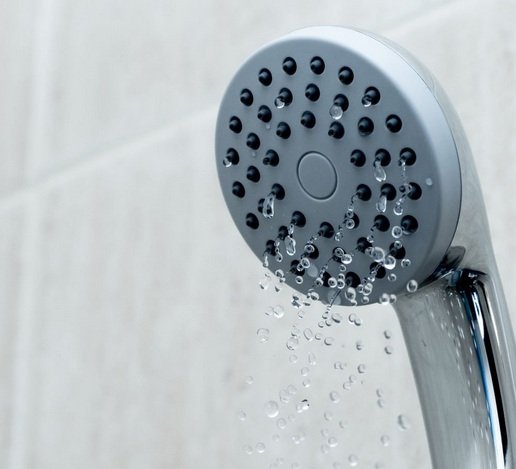
Households often encounter several common plumbing issues that can lead to significant inconveniences if left unchecked. Among these, leaky faucets are perhaps the most prevalent. A dripping sink not only wastes water but can also increase your water bill significantly over time. The underlying cause often lies in worn-out washers or O-rings, which can also be easily replaced by a DIY enthusiast.
Clogged drains represent another frequent plumbing challenge. Hair, grease, and other debris can accumulate in pipes, leading to slow drainage or even complete blockages. While simple solutions such as using a plunger or a mix of baking soda and vinegar may resolve minor clogs, persistent issues may require professional cleaning services. Recognizing signs of a blockage early can prevent escalation into more severe plumbing problems.
Running toilets can also cause an unanticipated increase in water usage, as the flush mechanism may malfunction due to improperly functioning components. Homeowners can often fix this problem by adjusting or replacing the flapper valve or the fill valve, which can be accomplished with minimal tools and effort.
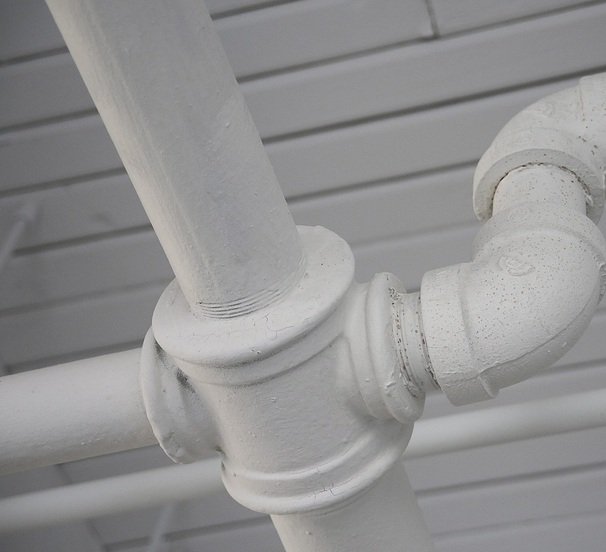
Dripping pipes represent another serious concern, as they may signal a larger issue within the plumbing system. Early intervention is crucial, as continuous leaks can lead to mold growth and structural damage within a home. In many cases, replacing sections of pipe or tightening connections may rectify the problem.
Understanding these common plumbing issues can empower homeowners to take proactive measures before they escalate. However, it is equally vital to recognize when a plumbing problem may require professional intervention. If the problem persists after attempting a simple fix, it is advisable to consult a licensed plumber to prevent further damage and ensure a long-lasting solution.
Essential Tools and Safety Precautions
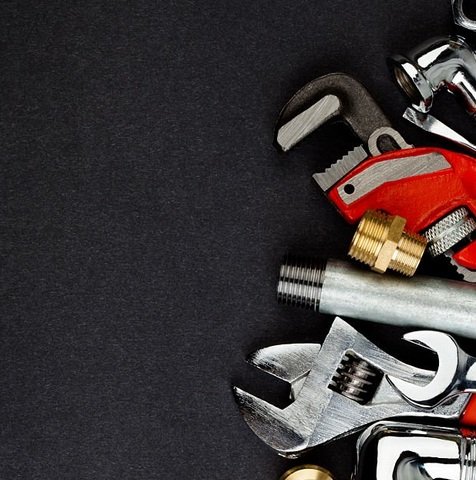
When engaging in simple DIY plumbing fixes, having the right tools is crucial to ensure effective repairs and maintain safety. A well-equipped plumbing toolbox typically includes various instruments that help you tackle common issues. Among the essentials are adjustable wrenches, which are vital for loosening or tightening nuts and bolts; pliers, particularly slip-joint pliers, which can provide grip on pipes and fittings; plungers, which are important for clearing clogs in drains and toilets; and drain snakes, which help remove stubborn blockages within pipes.
In addition to the tools mentioned, it is advisable to have a pipe cutter, Teflon tape, and a bucket on hand. The pipe cutter simplifies the process of creating clean cuts in pipes, while Teflon tape serves as an excellent sealing agent for threaded connections. Moreover, having a bucket can be useful for catching water leaks or for any residual water in pipes during repairs.
Before initiating any plumbing task, safety precautions must not be overlooked. Firstly, always turn off the water supply to the area you will be working on to prevent flooding or water damage. Second, wear appropriate protective gear, such as gloves and goggles, to safeguard against sharp objects and waterborne bacteria. It is also advisable to keep your workspace organized and free from clutter; a clean area minimizes the risk of accidents and helps you maintain focus on the task at hand.
By equipping yourself with the right tools and adhering to basic safety guidelines, you will be well-prepared to tackle simple plumbing repairs in a safe and efficient manner. Proper preparation not only enhances the effectiveness of your repairs but also boosts your confidence in managing plumbing tasks.
Step-by-Step DIY Plumbing Fixes
Taking on plumbing tasks can not only save you money but also empower you to maintain your home’s integrity. Below are some common plumbing issues along with step-by-step instructions.
Fixing a Leaky Faucet
Tools and Materials Needed:
- Adjustment screwdriver
- Wrench
- Replacement washers or cartridges
- Plumber’s grease
Instructions:
- Turn off the water supply to the faucet.
- Remove the faucet handle by unscrewing the screw that holds it in place.
- Take out the packing nut with a wrench.
- Replace the washers or cartridges, ensuring proper fit.
- Reassemble the faucet and turn the water supply back on to check for leaks.
Unclogging Drains
Tools and Materials Needed:
- Plunger
- Drain snake or auger
- Bucket
Instructions:
- Place a bucket beneath the sink to catch any debris.
- Use the plunger vigorously to create suction.
- If the blockage persists, insert a drain snake into the drain and twist to remove obstructions.
- Flush the drain with hot water to clear any remaining debris.
Stopping Toilet Leaks
Tools and Materials Needed:
- Adjustable wrench
- Replacement flapper or gasket
- Towels
Instructions:
- Turn off the water supply to the toilet.
- Remove the tank lid and drain any remaining water.
- Inspect the flapper or gasket for wear and replace it if necessary.
- Reassemble the parts and turn the water supply back on, monitoring for leaks.
By following these steps, you can efficiently handle some of the most common plumbing issues in your home without requiring professional help. Remember to assess the situation carefully and consult additional resources if you encounter unusual challenges.
When to Seek Professional Help
While many plumbing issues can be addressed through simple DIY methods, there are certain circumstances that necessitate the expertise of a professional plumber. One of the primary indicators that should prompt homeowners to seek professional assistance is the presence of extensive water damage. If you notice water stains on the walls or ceilings, warped flooring, or musty odors, these could signify a serious leak or drainage issue that requires professional evaluation. Ignoring such signs can lead to further structural damage and mold growth, potentially jeopardizing the safety of your home.
Another critical scenario is the occurrence of recurring plumbing issues. If you find yourself repeatedly fixing the same problem, such as a persistent clog or leaking pipe, this may indicate a deeper underlying issue. A professional plumber can diagnose the root cause of the problem and provide a lasting solution, preventing further inconvenience and expense. Frequent plumbing problems might also suggest that your system is complex or outdated, necessitating a modern upgrade or professional enhancement.
Lastly, the complexity of your plumbing system can also determine whether you should attempt a DIY repair or call in a professional. If your plumbing includes intricate connections, multiple fixtures, or unfamiliar components, it is prudent to consult with an expert. Licensed plumbers possess the necessary training and experience to navigate complex installations safely and effectively, ensuring that repairs comply with local building codes and standards. This not only guarantees the functionality of your plumbing but also protects your home from potential hazards associated with improper repairs.
In conclusion, while DIY plumbing fixes can be effective for minor issues, it is crucial for homeowners to recognize when to seek professional help and ensure their plumbing systems remain safe and efficient.