Signs Your Reverse Osmosis System Needs Repair
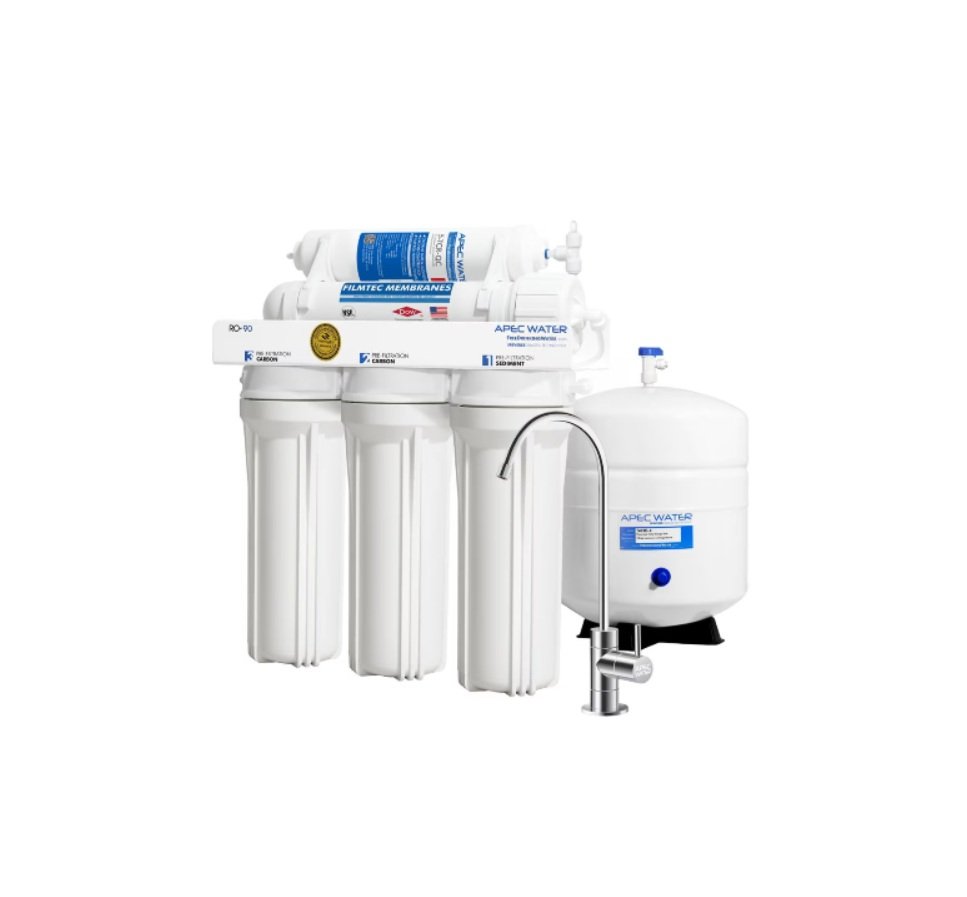
Reverse osmosis (RO) systems are advanced water filtration units designed to remove a broad array of contaminants from water, utilizing a process that mimics natural osmosis in reverse. In basic terms, osmosis involves the movement of water through a semi-permeable membrane from a less concentrated solution to a more concentrated one. In a reverse osmosis system, pressure is applied to push the water through the membrane, effectively filtering out impurities such as dissolved solids, chlorides, and other harmful substances that can contaminate drinking water.
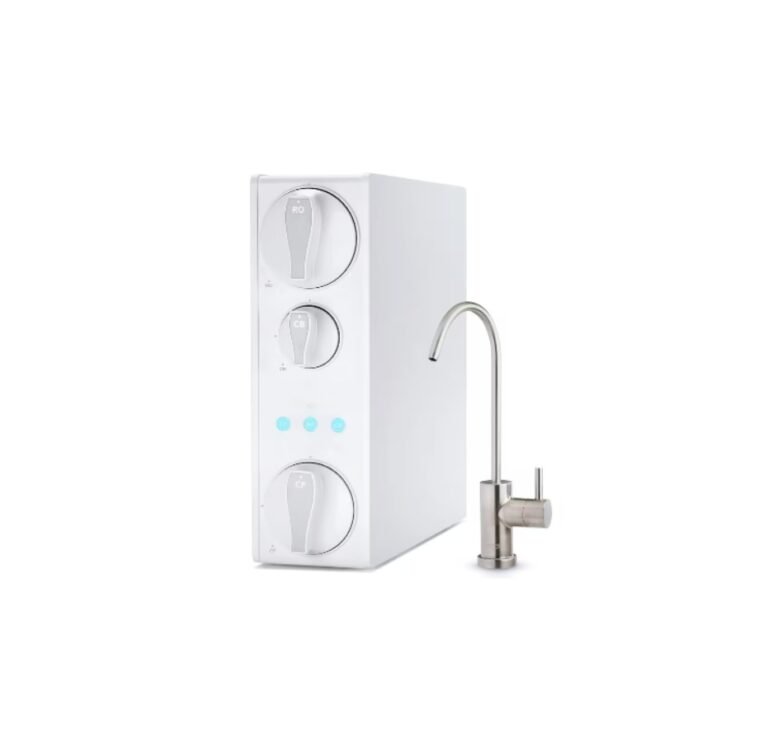
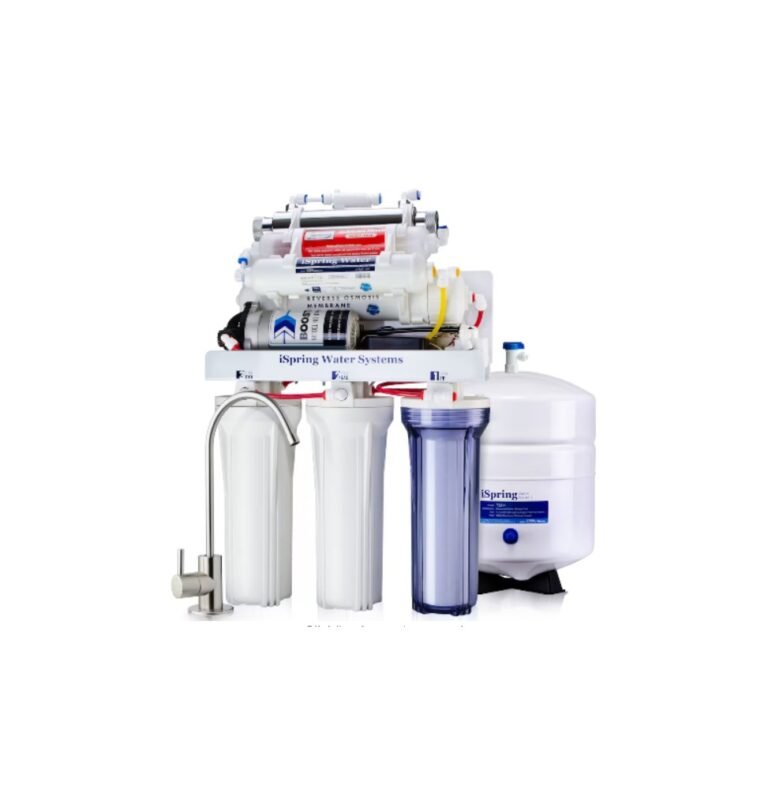
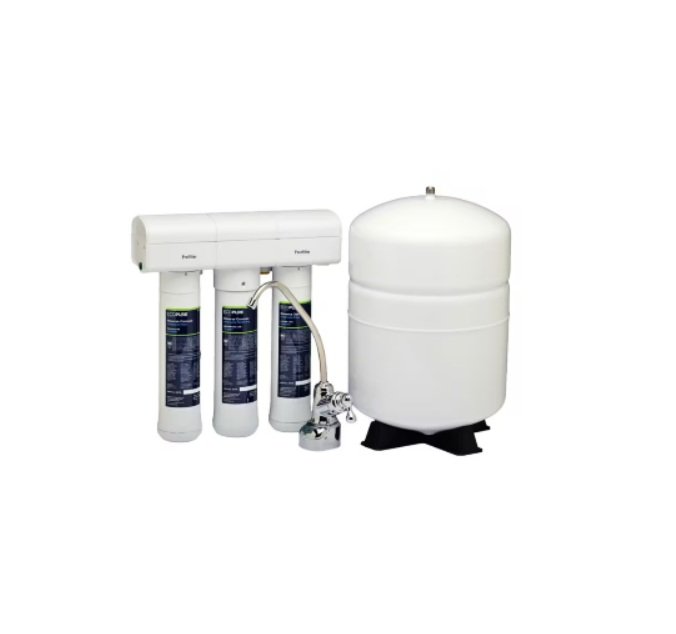
A typical RO system consists of several key components. The primary part is the semipermeable membrane, which plays a crucial role in filtering out unwanted particles and chemicals. Pre-filters and post-filters are also essential, helping to remove sediments and enhance the taste of water. Additionally, a storage tank is included to hold the purified water until needed, and a faucet is typically installed for convenient access. By leveraging these components, an RO system efficiently produces clean and safe drinking water, which is essential for maintaining health and well-being.
Maintaining a reverse osmosis system is vital to ensure its longevity and efficient performance. Without regular maintenance, the filters and membranes can become clogged or damaged, leading to diminished water quality and potential health risks. Regularly replacing filters, monitoring water pressure, and checking for leaks are all critical steps for homeowners to take. Overall, proper maintenance not only enhances water quality but also maximizes the effectiveness of the system, ensuring that families can reliably access clean drinking water every day.
Common Signs of Malfunction
Maintaining the efficiency of your reverse osmosis system is crucial to ensure the provision of clean and safe drinking water. Several signs may indicate that your system is not functioning properly. Being able to identify these symptoms early can help prevent further damage and ensure the longevity of the unit.
One of the most noticeable signs is a decreased water pressure. If you notice that the pressure at the faucet is significantly lower than normal, this could indicate a blockage or a malfunctioning component such as the membrane. It is important to check for any clogs in the filter or the tubing, as these can impede water flow and affect the overall performance of your system.
Another critical sign is the presence of unusual tastes or odors in your water. Clean drinking water should have no noticeable flavor or scent. If you detect a metallic taste, chlorine-like odor, or any other off-putting characteristics, this could suggest that the membrane is compromised or that there are contaminants passing through the system. This not only affects taste but could also pose health risks.
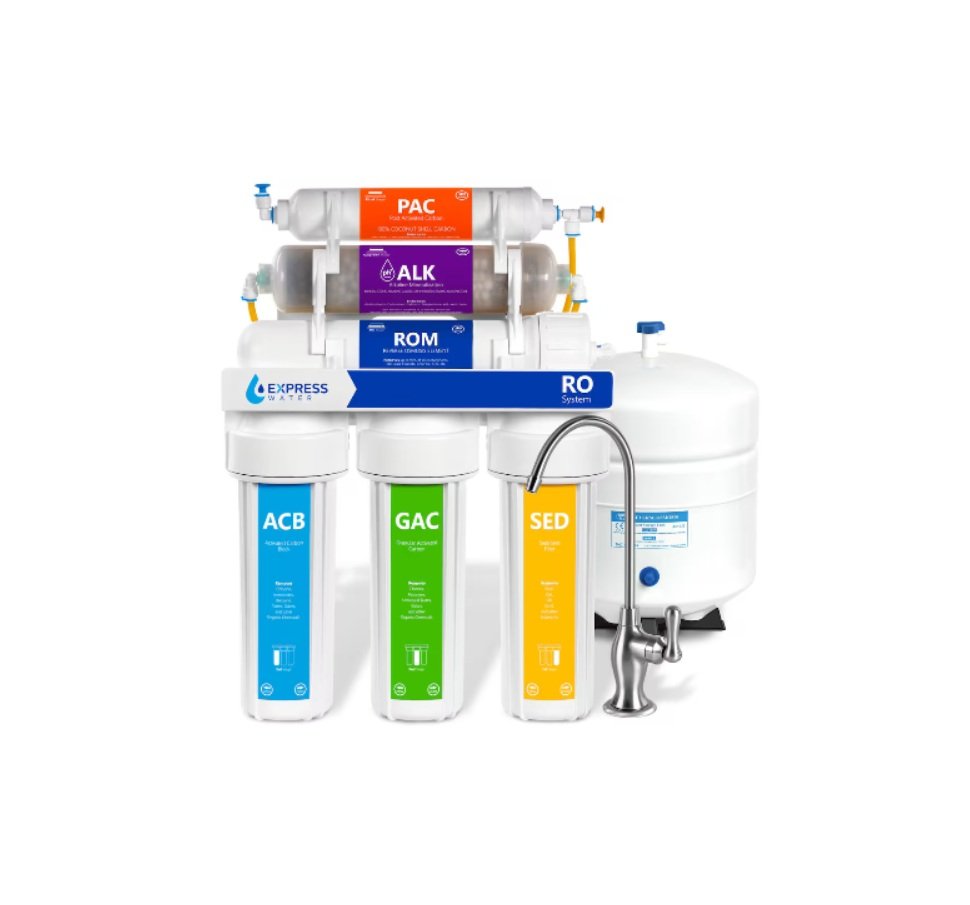
Visible leaks around the system are another telltale sign of a malfunction. Water pooling under your reverse osmosis unit can indicate a cracked filter, loose connection, or deteriorated tubing. Such leaks can lead to not only wasted water but also structural issues in your plumbing if not addressed promptly.
Furthermore, an increase in water waste can point towards a malfunctioning reverse osmosis system. If you find that the amount of wastewater produced is higher than the typically expected ratio of purified water to waste, this may indicate that your system is failing to operate efficiently. This can be due to worn-out filters or issues related to system pressure.
Repairing your reverse osmosis system in a timely manner is essential for both health and financial wellbeing. When such systems begin to malfunction, the potential for water contamination increases significantly, which can pose serious health risks to consumers. Drinking contaminated water can lead to various health issues, including gastrointestinal illnesses and exposure to harmful chemicals. Therefore, it is critical to recognize the signs that your system requires repair.
Delaying necessary repairs does not only threaten your health but can also incur substantial costs down the line. The longer a problem persists, the more likely it is to exacerbate, compromising other components of the system. For instance, a malfunctioning filter could lead to damage to the membrane or additional filtration units, ultimately resulting in higher repair or replacement costs. Investing in timely repairs can save both time and money while ensuring the continued efficacy of your water purification system.
Furthermore, unresolved issues can lead to broader system failures. A small leak or a clogged filter, if left unchecked, can cause cascading effects throughout the entire filtration system. Regular maintenance and prompt addressing of minor issues can prevent these larger, more costly problems. Establishing a routine maintenance schedule ensures that your reverse osmosis system operates at peak performance, thus maintaining the quality of your drinking water.
In addition to health and financial considerations, routine checks and timely repairs enhance the lifespan of your reverse osmosis system. By addressing repair needs as they arise, you can enjoy peace of mind knowing that your drinking water is safe and your investment is protected. Ultimately, proactive maintenance is key to preventing potential health risks and ensuring reliable performance of your reverse osmosis system.
When to Call a Professional
Maintaining a reverse osmosis system is essential for ensuring clean and safe drinking water. However, there are instances when DIY repairs may not suffice, indicating a need to call a professional technician. Recognizing these signs can be crucial in preventing further damage to the system and maintaining optimal functionality.
One clear indicator that professional help is necessary is when you notice persistent leaks that cannot be resolved through basic adjustments or seals replacement. If the system is leaking from multiple points or if the leaks continue after you’ve attempted simple fixes, this can signify a more complex issue, potentially related to the internal components of the system. Another sign is a drastic change in water quality, such as unusual odors or tastes that remain after filter replacements. These changes may suggest that the membranes are damaged or fouled, and professional assessment is required to diagnose the root cause.
Additionally, if your system is producing minimal water or has a complete halt in production, it may be a signal that the system requires expert intervention. A qualified technician will have the skills and tools necessary to pinpoint the issue, whether it’s a clog in the filters or an underlying mechanical failure.
When seeking a professional, it is important to consider factors such as experience, qualifications, and customer reviews. Reputable service providers often showcase their expertise through certifications from recognized organizations. During an assessment, you can expect the technician to conduct a detailed evaluation of the system, test the water quality, and provide recommendations based on their findings. Ultimately, investing in professional repair services can ensure the longevity of your reverse osmosis system and the safety of your drinking water.