Setting Your Water Heater Temperature to 120°F (49°C) for Safety and Efficiency
Water heater temperature settings play a crucial role in ensuring both safety and efficiency within a household. The importance of selecting an appropriate temperature for your water heater cannot be overstated; it impacts not just comfort, but also energy consumption and safety from potential hazards, such as scalding or bacterial growth.
Typically, residential water heaters operate within a temperature range of 110°F to 140°F (43°C to 60°C). However, the U.S. Department of Energy recommends that a water heater temperature of 120°F (49°C) strikes an optimal balance between safety and energy efficiency. At this temperature, the risk of burns, especially for children and the elderly, is significantly reduced, while still providing sufficient heat for bathing and cleaning purposes.
In addition to preventing scalding injuries, setting your water heater to 120°F can lead to financial savings. Lower temperatures reduce energy consumption; water that is heated to extreme temperatures not only uses more energy but also increases the risk of heat loss through pipes and fixtures. Thus, by maintaining a balanced temperature setting, homeowners can both lower their utility bills and extend the lifespan of their water heater.
Furthermore, inappropriate temperature settings can encourage the growth of harmful bacteria, such as Legionella, which thrive in warm environments. Maintaining your water heater at the optimal temperature effectively mitigates this risk while ensuring safe and reliable hot water access. In conclusion, understanding and regulating your water heater temperature settings are vital steps towards a safer and more energy-efficient household.
Safety Considerations of Water Heater Temperature
Setting the temperature of your water heater is a fundamental aspect of household safety and comfort. Temperatures above 120°F (49°C) can pose significant risks, particularly in environments populated by vulnerable individuals such as young children and the elderly. Hot water scalds are a serious concern; at 140°F (60°C), it can cause burns in just a matter of seconds. The consequences of such injuries can be severe, leading to hospitalization and long-term physical complications. Consequently, maintaining a water heater temperature at 120°F is a prudent measure that significantly reduces these hazards.
A water temperature of 120°F provides ample hot water for daily needs while minimizing the risk of scalding. This temperature is generally considered the optimal balance between safety and efficiency. It allows for sufficient heating for activities like washing hands, dishes, and showering, while still being low enough to avoid accidents. In households with children or elderly inhabitants who may not react swiftly to hot water, adopting this setting is even more critical.
Moreover, the safety of water heater temperature extends beyond preventing burns; it also contributes to mechanical efficiency of the heater. Water heaters operating at excessively high temperatures can contribute to thermal fatigue, causing premature wear or failure of the appliance, which may lead to leaks or even more dangerous scenarios such as tank explosions. By opting for the safer setting of 120°F (49°C), homeowners can protect both their family members and their property. Therefore, water heater settings should always be carefully considered in order to strike a balance between safety and adequate supply of hot water.
Energy Efficiency and Cost Savings
Setting your water heater temperature to 120°F (49°C) offers significant energy efficiency advantages that contribute to lower utility bills and reduce environmental impact. When water heaters operate at higher temperatures, they tend to consume more energy. According to the U.S. Department of Energy, reducing the temperature by just 10°F can save approximately 3% to 5% on water heating costs. This means that by maintaining a temperature of 120°F, homeowners can enjoy reduced energy consumption and, subsequently, decreased energy bills.
Moreover, a study conducted by the Environmental Protection Agency indicates that lowering the water heater temperature to 120°F can reduce greenhouse gas emissions significantly. This action not only benefits the household financially but also contributes to a broader effort toward environmental sustainability. By minimizing energy use, each household can collectively contribute to a lower carbon footprint.
Additionally, operating a water heater at a lower temperature can enhance its lifespan. Water heaters that frequently operate at higher temperatures are subjected to increased wear and tear, potentially leading to mechanical failures or the need for premature replacements. In contrast, maintaining a consistent temperature of 120°F allows the unit to function more efficiently, ultimately extending its operational life. This extension directly correlates to cost savings, as homeowners can avoid hefty replacement costs for a number of years.
In summary, setting your water heater temperature to 120°F can lead to both energy efficiency and cost savings. By reducing the temperature, not only are homeowners positioned to experience lower energy bills, but they also contribute positively towards a reduction in environmental impact while prolonging the life of their water heater. Investing in energy-efficient practices has far-reaching benefits that extend beyond individual savings, promoting a healthier planet for future generations.
How to Safely Set Your Water Heater to 120°F
Adjusting your water heater to a safe and efficient temperature of 120°F (49°C) is an important step in ensuring both comfort and safety in your home. This process can vary slightly depending on whether you have a traditional tank water heater or a tankless model.
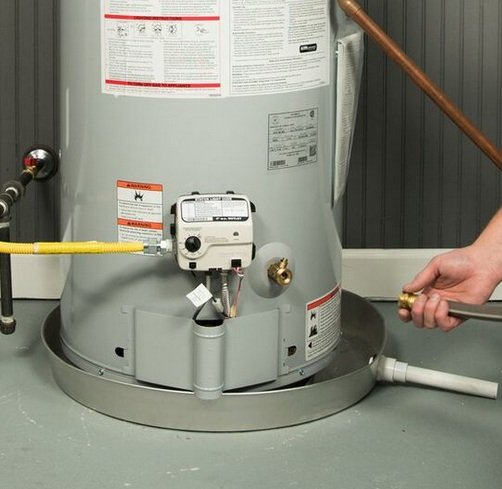
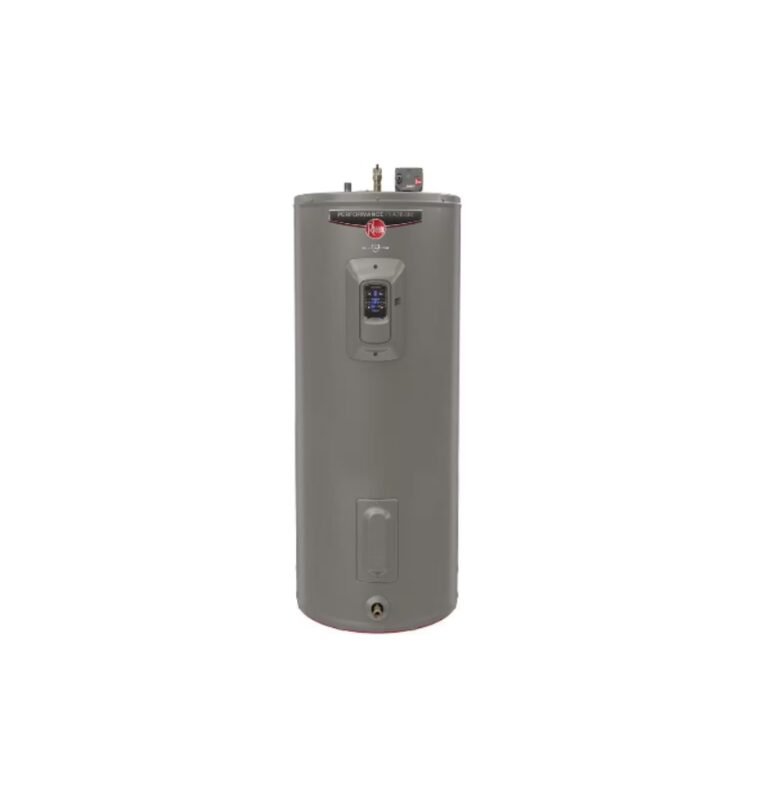
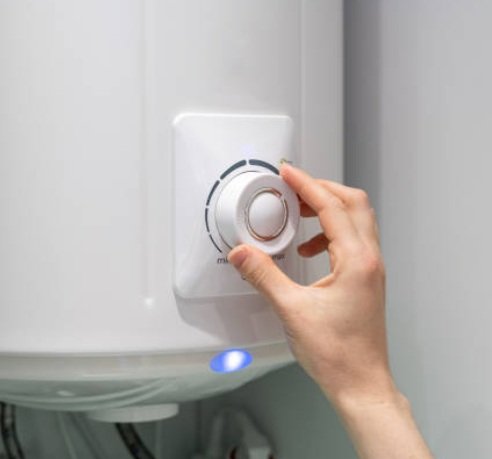
For traditional tank water heaters, start by identifying the thermostat. Most often, it is located on the front of the unit. You may need a flat-head screwdriver to adjust the dial. Turn the dial to the 120°F mark. If your water heater has a digital display, simply navigate through the options to set the desired temperature. It is advisable to allow a few hours for the temperature to stabilize before checking again.
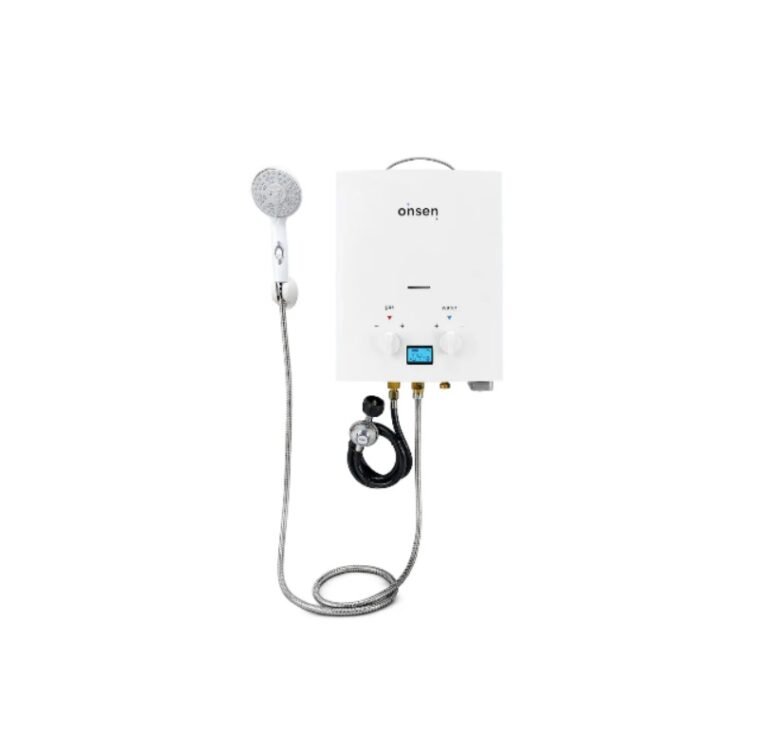
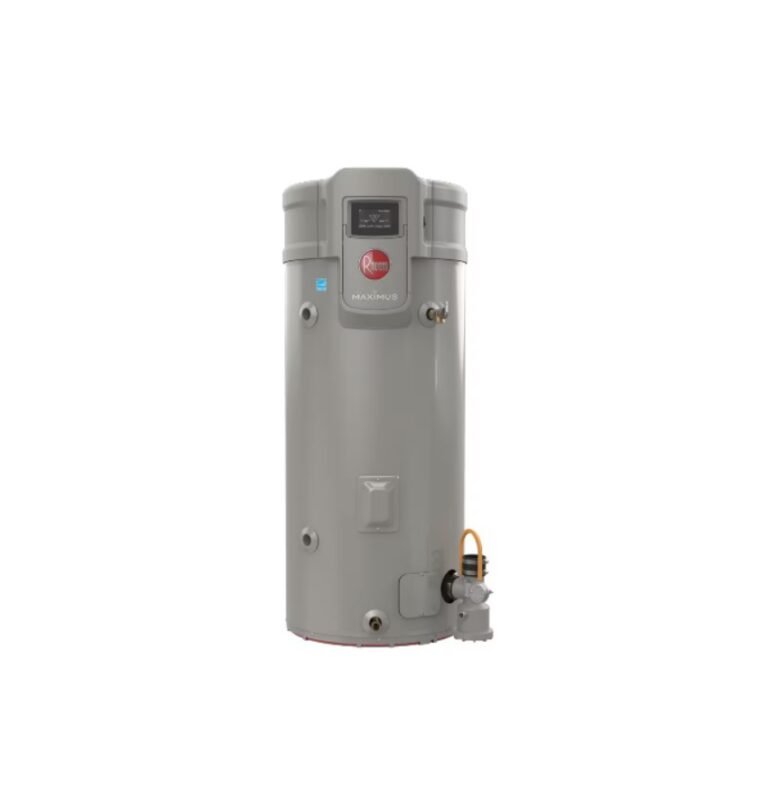
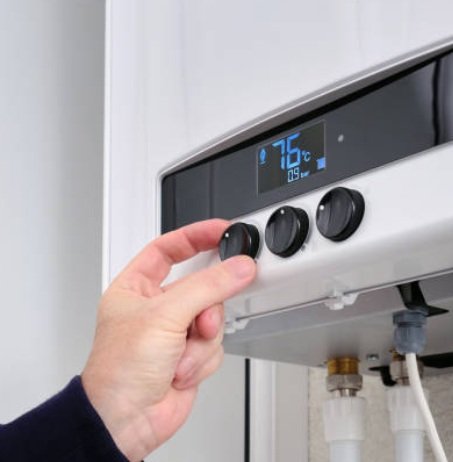
For tankless models, the adjustment may be done via a digital interface on the unit itself. Find the temperature setting section on the control panel and change it to 120°F. This adjustment generally takes effect immediately, allowing you to quickly access hot water at the proper temperature.
Before making these adjustments, it is prudent to check your current temperature settings. You can do this by using a thermometer at a faucet closest to the water heater. Turn on the hot water and place the thermometer in the stream to see if the temperature aligns with your desired setting. If it exceeds 120°F, you may need to adjust the setting accordingly.
Regular maintenance of your water heater is equally important. Periodically checking the temperature setting and flushing the tank to remove sediment buildup ensures optimal performance. If you encounter issues during the adjustment process or notice any irregularities, do not hesitate to seek assistance from a qualified technician. Their expertise can help prevent potential safety hazards and ensure the longevity of your water heater.