Safe Drinking Water Practices for Your Family

Safe drinking water is a fundamental necessity for maintaining health and well-being. It is essential not only for hydration but also for overall physical wellness. The significance of access to clean drinking water cannot be overstated, particularly when considering the risks associated with contaminated sources. Contaminated water can harbor a variety of harmful pathogens, leading to waterborne diseases such as cholera, dysentery, and typhoid fever. These conditions pose significant health threats, particularly to children and vulnerable populations who may have compromised immune systems.
The effects of consuming unsafe water can be dire, leading to severe gastrointestinal issues and other serious health complications. Children, in particular, are at a greater risk due to their developing bodies and lower body weight, which makes them more susceptible to dehydration and illness. Furthermore, the long-term repercussions of consistent exposure to contaminated drinking water can lead to chronic health issues, impairing cognitive development and overall growth in children.
Adequate access to clean and safe drinking water significantly contributes to the prevention of these illnesses. Regular consumption of safe water helps in enhancing the body’s immune response, reducing the occurrence of disease outbreaks within families. In addition to disease prevention, clean drinking water promotes proper digestion, nutrient absorption, and detoxification. It enables families to thrive, reducing healthcare costs associated with treating waterborne illnesses, and supports productivity in both adults and children.
Ultimately, the importance of understanding safe drinking water practices extends beyond individual health—it is a community health issue. By recognizing the risks associated with contaminated water and the importance of ensuring access to safe drinking water, individuals can take informed steps to safeguard their families’ health.
Identifying Sources of Contaminated Water
Ensuring access to safe drinking water is a critical concern for families, as contaminated water can pose severe health risks. The identification of potentially unsafe drinking water sources is pivotal in mitigating these dangers. Both urban and rural settings present various hazards that can compromise water quality.
Common contaminants found in drinking water include chemicals, bacteria, and heavy metals. In urban areas, residential plumbing systems may leach lead or copper into the water supply, particularly if the pipes are old or corroded. Additionally, runoff from roads can introduce harmful chemicals such as pesticides and oil derivatives into the water stream. In rural contexts, septic system failures can cause bacterial contamination in nearby wells. Families should remain vigilant for signs of water contamination, which may include a change in color, an unusual odor, or any visible particles.
Regular water testing is essential for identifying these contaminants. Water quality tests assess various parameters, including pH levels, the presence of coliform bacteria, and concentrations of heavy metals like arsenic and lead. Home test kits are available, but most families may benefit from professional testing conducted by certified laboratories. It is advisable to test water at least once a year, especially if the source is a private well, which is not regulated by government standards.
When reviewing water quality reports, families should pay close attention to the substances listed, their concentrations, and the permissible limits set by health authorities. Understanding these reports can provide insight into the safety of drinking water and inform necessary actions, such as installing filtration systems or seeking alternatives, to ensure that the family’s water supply remains clean and safe.

Implementing Safe Drinking Water Practices
Ensuring access to safe drinking water for your family is paramount to maintaining health and well-being. There are several practical techniques that can be employed at home to guarantee the water you consume is safe. One of the simplest methods is boiling. Bringing water to a rolling boil for at least one minute is effective in eliminating harmful bacteria, viruses, and protozoa. This process is particularly beneficial in emergencies or areas where water quality is questionable.
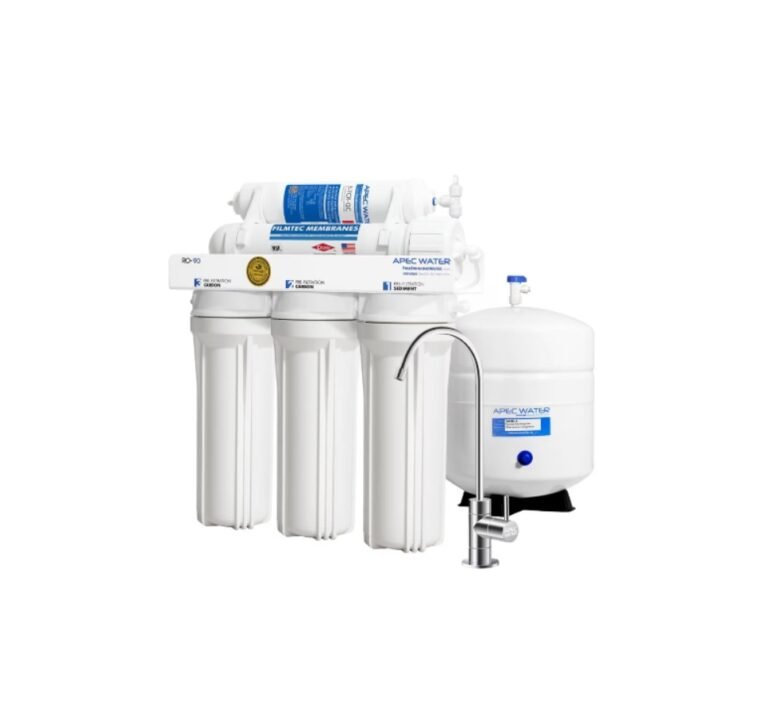
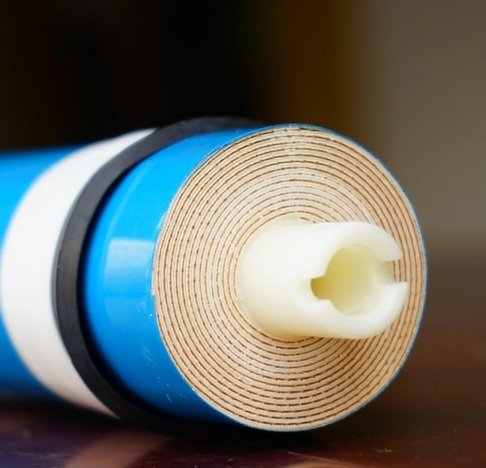
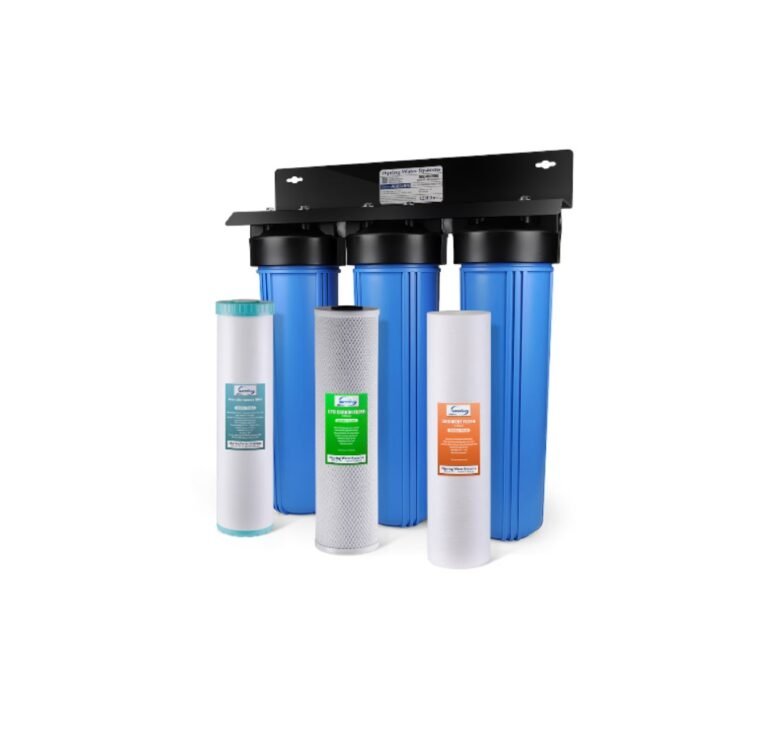
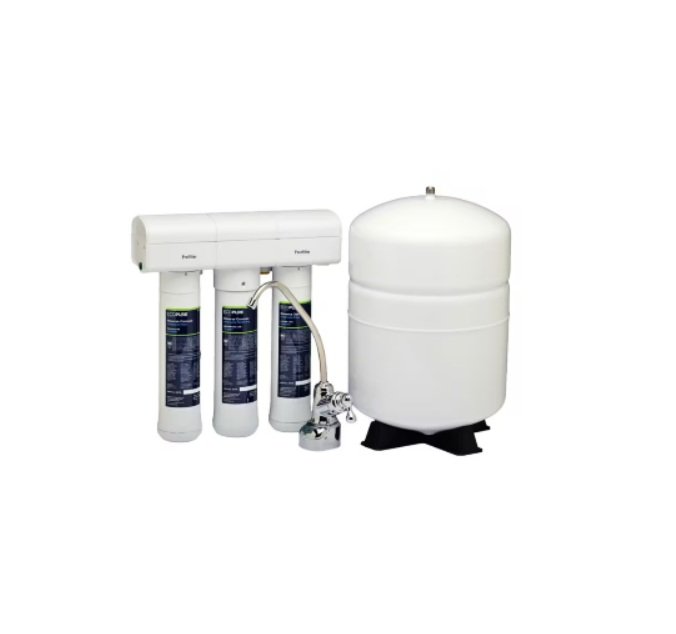
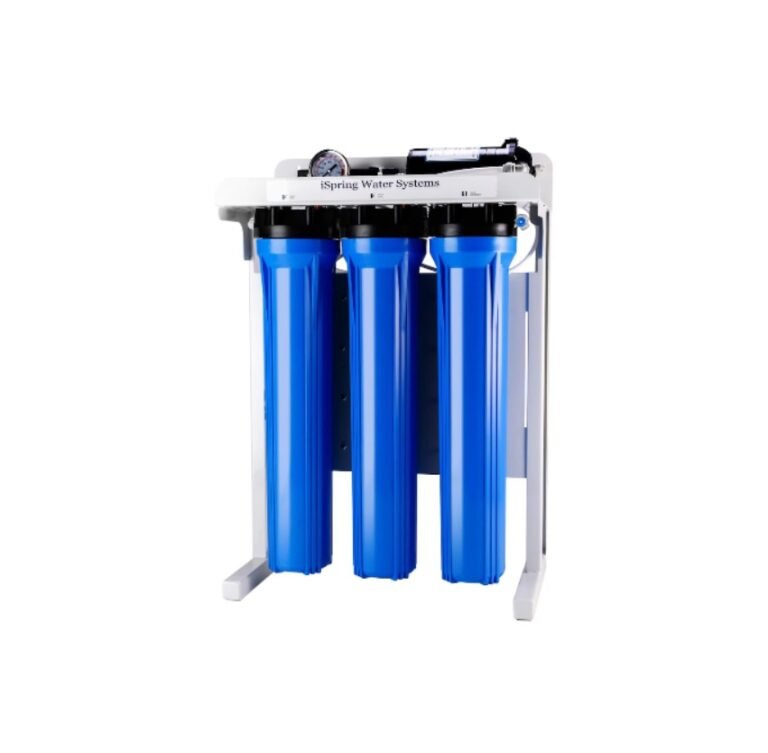
Another effective approach to ensure safe drinking water is through filtration. Water filtration systems can remove impurities, contaminants, and undesirable tastes and odors. Options range from simple pitcher filters to more advanced reverse osmosis systems. When selecting a filtration system, it is essential to confirm that it meets your specific water quality needs, including the removal of lead, chlorine, and other common contaminants.
Chemical treatments are also viable methods for purifying drinking water. The use of chlorine or iodine tablets can quickly disinfect water in various situations. However, it is crucial to follow the manufacturer’s instructions meticulously to ensure effectiveness. Additionally, one must be cognizant of the residual chemical taste and the importance of allowing the treated water ample time to disinfect before consumption.
Proper storage of drinking water is equally important in preventing contamination. Water should be stored in clean, food-grade containers, ideally with a tight seal to prevent exposure to contaminants. It is advisable to label any stored water with a date and replace it every six months to ensure freshness. Furthermore, maintaining your plumbing systems by regular inspections and repairs is vital to prevent any leach of contaminants into the water supply.
Educating Family Members About Water Safety
Ensuring access to safe drinking water is a pivotal aspect of family health. Educating all family members, particularly children, about water safety and hygiene practices concerning drinking water is essential. This education can significantly diminish the risks associated with contaminated water sources.
Begin by discussing the different water sources with the family. This includes explaining the sources of drinking water—tap water, bottled water, and well water—and any potential contamination risks associated with them. For younger children, employ simple language and visuals, such as pictures of clean and dirty water, to help them grasp the concept of water safety effectively.
Encouraging safe drinking habits is another key aspect of this education. Teach family members to always drink filtered or purified water, especially when attending social gatherings or traveling. Introduce practical activities, such as filling reusable water bottles with treated water, to reinforce these principles. Children can be motivated to choose water over sugary beverages by emphasizing the health benefits and by making water appealing—perhaps by infusing it with fruits or herbs.
Participating in community awareness programs can also enhance learning and create a collaborative atmosphere around water safety. Encourage family members to join local workshops or events that focus on water conservation and hygiene. This not only broadens their understanding but also instills a sense of community responsibility towards ensuring safe drinking water for all.
Moreover, parents and guardians must lead by example. Displaying consistent safe drinking practices sets an important precedent for children and other family members. When children observe adults consistently consuming safe water, they are more likely to adopt these habits themselves. By fostering an environment of awareness and responsibility around water safety, families can create a culture that prioritizes health and hygiene.