RO Systems vs Bottled Water: Which Is Better?
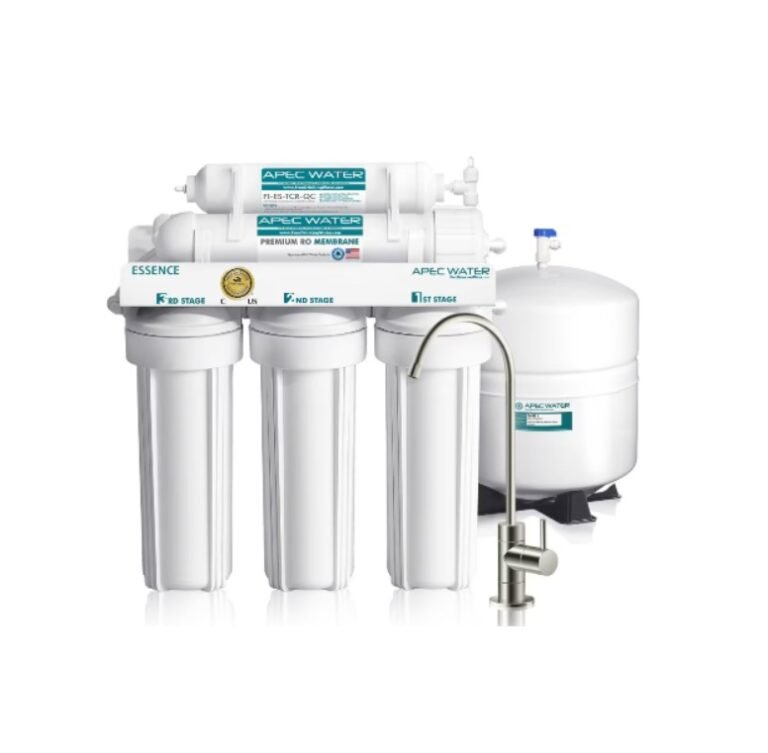
Reverse osmosis (RO) systems are advanced water purification units that employ a semi-permeable membrane to remove contaminants from water. The process of reverse osmosis works by applying pressure to water on one side of the membrane, forcing it through while leaving larger molecules and impurities behind. This technology effectively eliminates a wide range of impurities, including sediment, chlorine, heavy metals, and even certain microorganisms.
The filtration mechanism is crucial for understanding the efficacy of RO systems. In essence, the semi-permeable membrane contains tiny pores that only allow water molecules to pass through while blocking substances that may compromise water quality. As a result, the water produced is significantly purer and healthier for consumption. Many users favor reverse osmosis systems for their ability to improve taste, odor, and overall water quality.
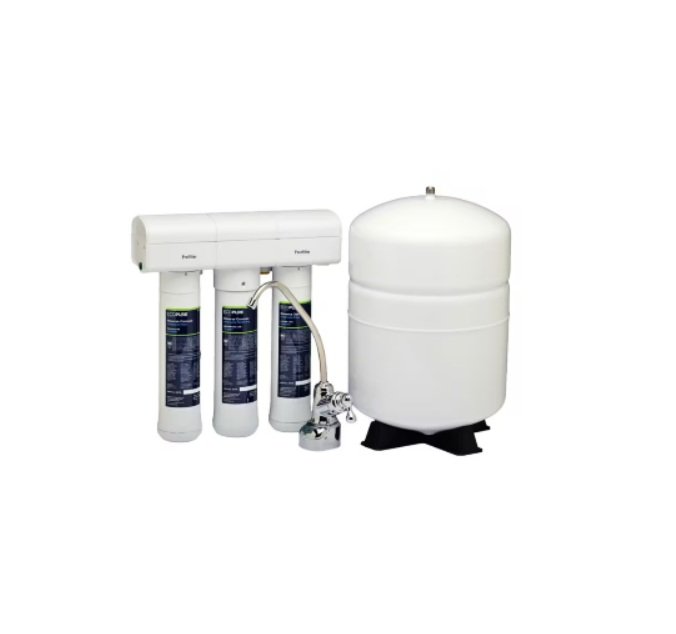
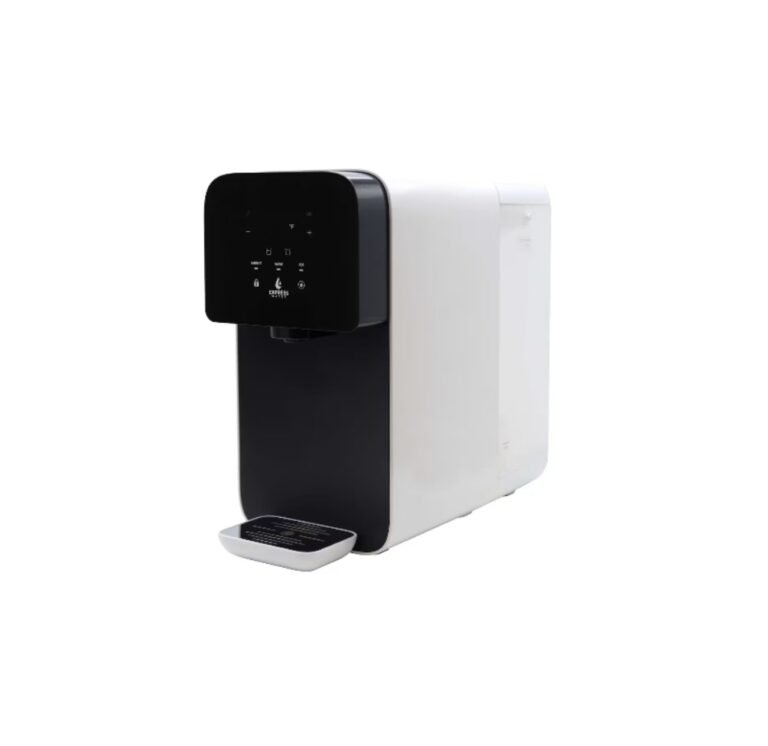
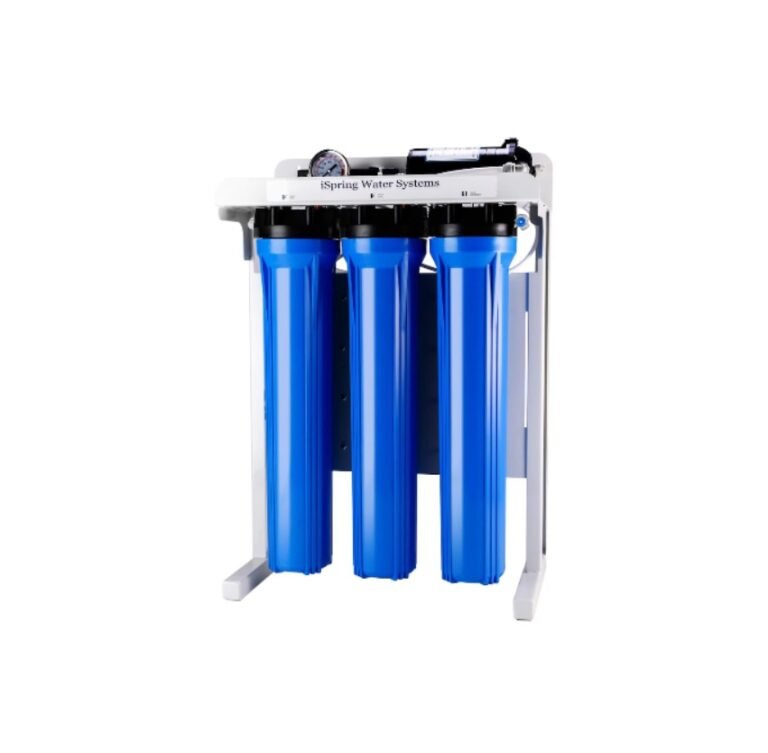
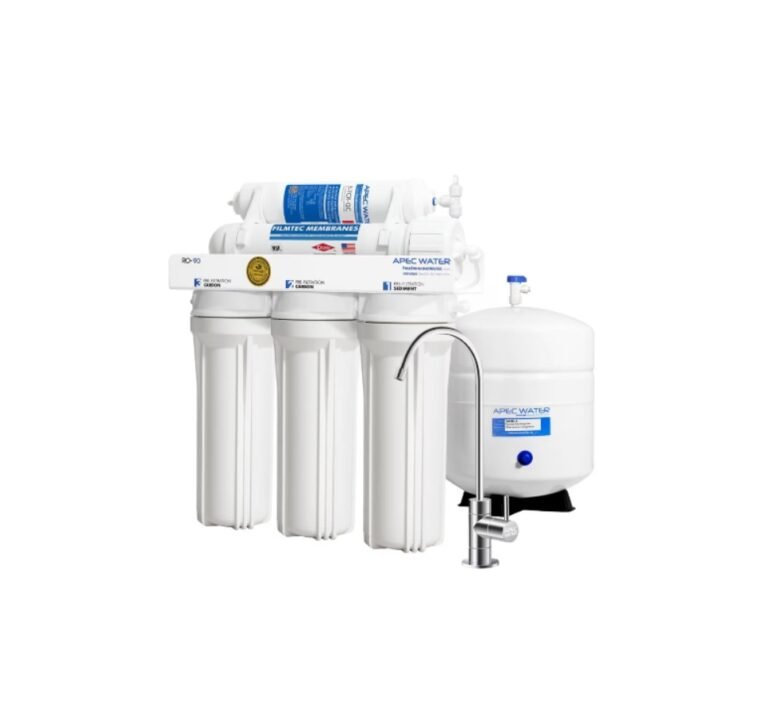
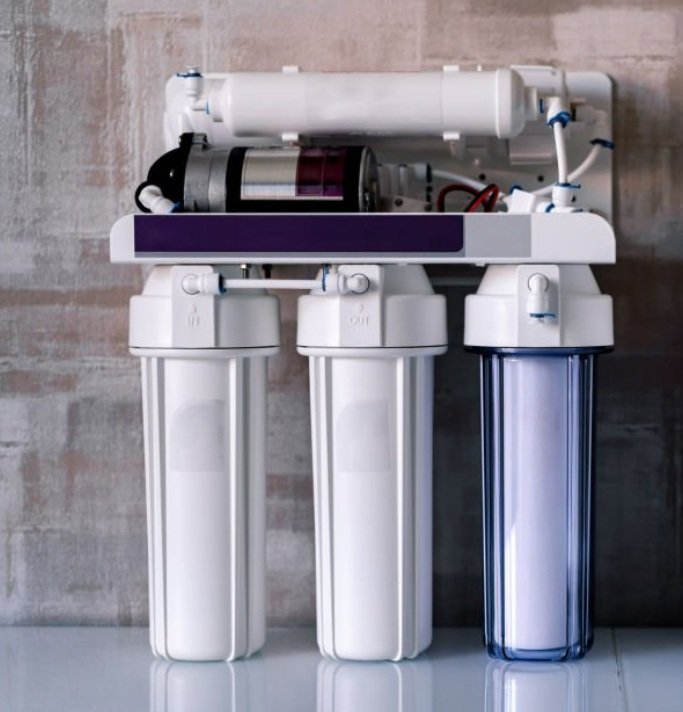
There are various types of RO systems available in the market, catering to different needs and household sizes. Some models are designed for point-of-use installations, such as under-sink units, while others are point-of-entry systems that treat water for the entire home. Depending on your specific requirements, the installation process may vary; some systems necessitate professional installation, while certain consumer-friendly models allow for DIY setups.
Maintenance of RO systems is relatively straightforward but essential for ensuring optimal performance. Regular filter replacements and periodic cleaning of the membrane are necessary to prevent clogging and maintain water flow. Many manufacturers recommend a filter change at least annually, although this can vary based on usage and water quality. By investing in a reverse osmosis system and adhering to suggested maintenance protocols, households can enjoy an ample supply of clean, safe drinking water while reducing their reliance on bottled options.
The Drawbacks of Bottled Water
Bottled water has become an increasingly popular option for many consumers, often perceived as a convenient and safe alternative to tap water. However, this convenience comes with a variety of drawbacks that merit careful consideration. One of the most pressing concerns is the environmental impact of bottled water. The production, transportation, and disposal of plastic water bottles create significant plastic waste, contributing to pollution and landfill overcrowding. It is estimated that only a fraction of plastic bottles are recycled; the majority end up in the environment, where they can take hundreds of years to decompose.
Moreover, the carbon footprint associated with bottled water is considerable. From the extraction of springs to the bottling process and subsequent distribution, the energy consumption is substantial. This is in stark contrast to tap water, which is generally sourced locally and requires much less energy to provide. As global awareness of climate change and environmental sustainability increases, these factors make bottled water a less appealing choice.
Health implications also accompany the consumption of bottled water. While many individuals trust bottled water as a cleaner alternative to tap water, there are concerns regarding potential contamination from the plastic bottles themselves. Studies suggest that chemicals, such as phthalates and bisphenol A (BPA), can leach from plastic, particularly when bottles are exposed to heat. This brings into question the safety of bottled water, challenging the prevalent misconception that it is always superior to tap water.
In addition, the perceived necessity for bottled water often overshadows the reliability of municipal water supplies, which typically undergo rigorous testing and treatment. Understanding these drawbacks is essential for consumers when considering whether to opt for bottled water or explore more sustainable alternatives.
Cost Analysis: RO Systems vs Bottled Water
In evaluating the long-term financial implications of water consumption options, it is crucial to analyze the costs associated with reverse osmosis (RO) systems compared to bottled water. Initially, investing in an RO system typically requires a higher upfront expenditure. The price for a standard home RO system can range from $200 to $600, depending on the brand, quality, and features offered. Installation costs may also be an additional factor, usually around $100 to $300, if professional assistance is needed.
Once installed, RO systems incur recurring costs primarily related to filter replacements. Most RO systems require filter changes every six to twelve months, costing between $50 and $150 annually, depending on the specific system and usage. Thus, after the initial investment, the ongoing maintenance costs for an RO system can average around $100 to $300 per year.
On the other hand, purchasing bottled water has a different financial structure. A typical household, depending on the size and consumption habits, may spend anywhere from $300 to $600 annually on bottled water. This estimate assumes a moderate consumption rate of about one gallon per day, which can vary significantly based on household preferences and lifestyle. Additionally, seasonal fluctuations in bottled water prices can increase the annual costs, especially during peak demand periods.
After analyzing these costs, it becomes evident that while RO systems require a more significant initial investment, their long-term savings can be substantial. Over time, households may find that investing in an RO system can lead to lower overall water expenses, particularly for those who consume large quantities of water. Consequently, it is imperative for consumers to consider their water consumption habits and budget when making an informed decision about either option.
Making the Right Choice for Your Water Needs
When considering whether to invest in a reverse osmosis (RO) system or continue purchasing bottled water, several factors need to be assessed. The decision should be made based on individual water quality requirements, usage patterns, health considerations, environmental impact, convenience, and personal preferences.
Firstly, evaluating the quality of your tap water is essential. If local water quality tests indicate high levels of contaminants, an RO system may provide a necessary solution. RO systems effectively reduce impurities and enhance the taste of drinking water. Conversely, if you reside in an area with already excellent water quality, bottled water might suffice and be more convenient for occasional use.
Usage patterns also play a crucial role in the decision-making process. Households with multiple users may benefit from an RO system, delivering a consistent and steady supply of purified water. On the other hand, for individuals or small households, purchasing bottled water could reduce upfront costs and maintenance associated with an RO system.
Health considerations cannot be overlooked. Some individuals prefer the assurance that comes from the filtration process of an RO system, which eliminates specific contaminants, while others trust bottled water brands to maintain high standards of safety. Assessing personal health needs, allergies, and sensitivities may impact this choice significantly.
Environmental factors should also influence your decision. RO systems contribute to less plastic waste compared to bottled water, which poses a considerable environmental concern. Alternatively, opting for glass or biodegradable containers when choosing bottled water can mitigate some of the negative impacts.
Finally, convenience and personal preferences weigh heavily in this choice. Consider your lifestyle: an RO system may require installation and maintenance, while bottled water provides immediate availability. Assessing your habits, preferences, and values will ultimately lead you to the best option for your water needs.