Protecting Your Water Heater: The Importance of Surge Protection
Surge protection is an essential component of home electrical systems, designed to safeguard various appliances and devices from electrical surges. An electrical surge is a sudden increase in voltage that can occur for several reasons, including lightning strikes, fluctuating power grids, or even the activation and deactivation of large appliances within a home. Such surges can cause significant damage to electrical equipment, including your water heater, leading to costly repairs or replacements.
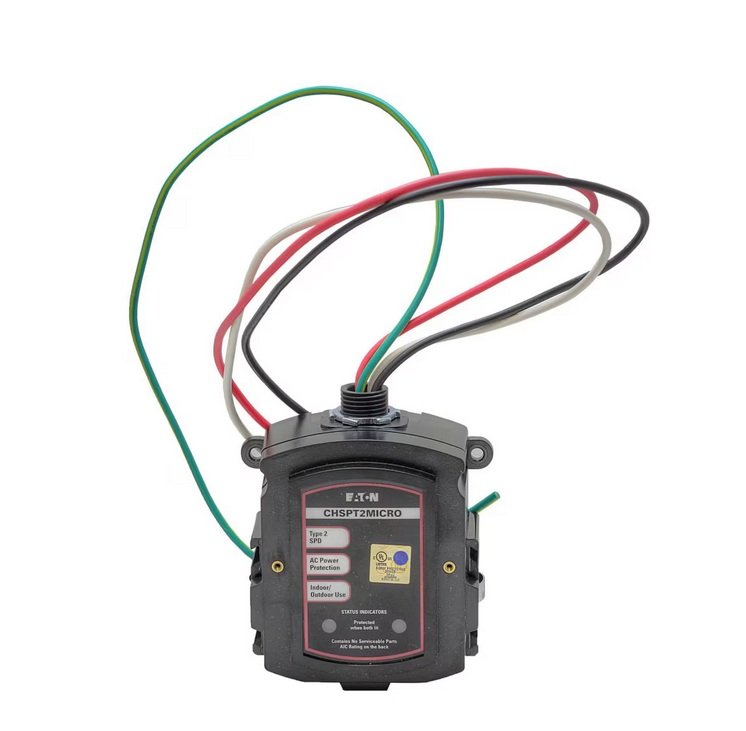
Surge protectors work by diverting the excess voltage to the ground, thus preventing it from traveling through your home’s wiring and damaging connected devices. There are two main types of surge protection devices: whole-house surge protectors and point-of-use surge protectors. Whole-house surge protectors are installed at the main electrical panel. They provide comprehensive protection for all electricity entering a home, shielding various appliances against external surges from the power grid or severe weather conditions.
On the other hand, point-of-use surge protectors are typically used for individual devices and are often found in the form of power strips. These are particularly useful for protecting sensitive electronics, such as computers and televisions. While both types of surge protection serve crucial roles in safeguarding electrical systems, the choice between them largely depends on the overall requirements of the home and the value of the appliances to be protected.
In summary, understanding surge protection and its applications is vital for any homeowner. By effectively implementing surge protectors, homeowners can mitigate risks and extend the lifespans of their electrical devices, including essential appliances like water heaters. Proper surge protection not only ensures reliability but also contributes to overall home safety.
Why Your Water Heater Needs Surge Protection
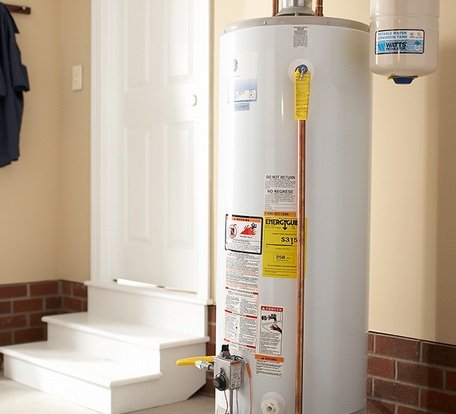
Water heaters are essential appliances in many households, providing hot water for cooking, cleaning, and bathing. However, they are particularly vulnerable to electrical surges, which can lead to severe damage and costly repairs. Electrical surges can occur due to a variety of reasons, including lightning strikes, utility company issues, or sudden changes in electrical load within the household. According to data from the Electrical Safety Foundation International (ESFI), electrical surges cause significant damage to appliances, with water heaters frequently appearing among the most affected devices.
Operating a water heater without surge protection can increase the risk of internal component failure. For instance, the heating element and control components are susceptible to voltage spikes. When these elements are damaged, not only is the water heater rendered inoperable, but it may also pose a safety risk, potentially leading to leaks or even fires in extreme cases. In fact, a report from the U.S. Fire Administration noted that electrical fires in homes often arise from faulty appliances, reinforcing the need for protective measures.
Furthermore, neglecting surge protection can have long-term financial implications for homeowners. Repair costs for a damaged water heater can range from hundreds to thousands of dollars, depending on the extent of the damage. In contrast, investing in surge protection tends to require a minimal upfront expenditure, which can significantly prolong the life of the water heater and enhance its efficiency. For example, a homeowner in Texas found that after installing a surge protector, their water heater not only operated more reliably but also reduced energy bills due to improved performance.
In essence, surge protection for water heaters is not merely an optional enhancement but a necessary safeguard to prevent damages, ensure safety, and promote energy efficiency.
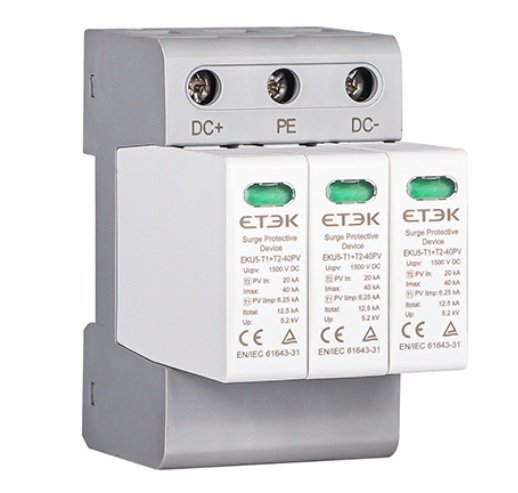
Installing Surge Protection for Your Water Heater
Installing surge protection for your water heater is an essential step in safeguarding your investment and ensuring its longevity. To successfully complete this project, you will need a few tools and materials. Essential items include a surge protector compatible with your water heater, basic hand tools such as pliers, a screwdriver, and electrical tape. Additionally, it is advisable to have a voltage tester on hand to ensure safety during installation.
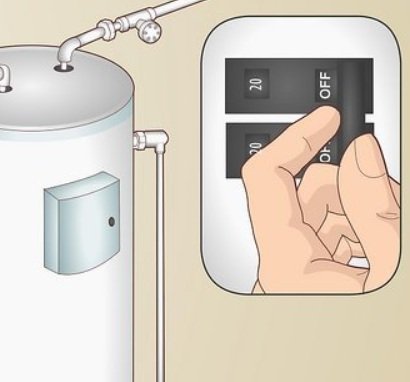
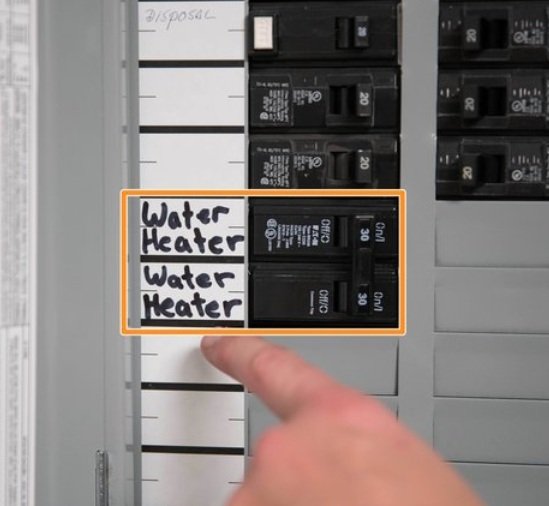
Before initiating the installation, prioritize safety by ensuring that the power to the water heater is turned off and the circuit breaker is in the off position. As you start, locate the electrical panel and identify the correct circuit for your water heater. This will help in determining the placement of the surge protector. Generally, surge protectors should be installed as close to the water heater as possible to maximize their effectiveness against power surges.
For those considering DIY installation, it is crucial to follow the manufacturer’s instructions closely. This guide helps you connect the surge protector to the water heater’s power supply correctly. However, if you feel uncomfortable or lack experience in handling electrical systems, hiring a professional electrician is recommended. Professionals can ensure the installation meets local codes and adheres to safety standards, minimizing the risk of electrical hazards.
Proper placement of the surge protector involves connecting it within the main electrical line before it reaches the water heater. Regular maintenance checks are also vital. Inspect the connection and functionality of your surge protector every few months. This includes replacing it as advised by the manufacturer or at the first sign of wear or damage. By taking these steps, you will enhance the protection of your water heater against unexpected surges and electrical problems.
Choosing the Right Surge Protector for Your Water Heater
When selecting a surge protector for your water heater, several crucial factors must be considered to ensure effective protection against voltage spikes. The first aspect to examine is the voltage rating of the surge protector. It should match or exceed the voltage requirements of your water heater, typically 120V or 240V, depending on your appliance. Using a surge protector with an inadequate voltage rating may lead to insufficient protection or even damage to the unit.
Another important parameter is the response time of the surge protector. This indicates how quickly the device can react to a surge; a faster response time means that your water heater will be shielded from spikes more effectively. Look for surge protectors that typically offer a response time measured in nanoseconds for optimal performance.
Warranty options are also a critical consideration. A reputable surge protector will come with a warranty that guarantees its functionality over a certain period. Brands that offer a higher level of warranty commitment are often more trustworthy and signify quality. Additionally, reputable brands such as APC, Tripp Lite, and Belkin are known for their reliability and performance, making them strong contenders for protecting your water heater.
While comparing features and price points, consider the number of outlets and additional features such as indicator lights, which inform you of the condition of the surge protector. Also, ensure that the product meets local electrical codes and standards. If you are uncertain or require assistance in selecting a surge protector, consulting with a licensed electrician is highly advisable. They can offer insights tailored to your specific setup, ensuring that your water heater remains protected against unexpected electrical surges.