Proactive Replacement of Aging Water Heater Tanks: A Wise Investment
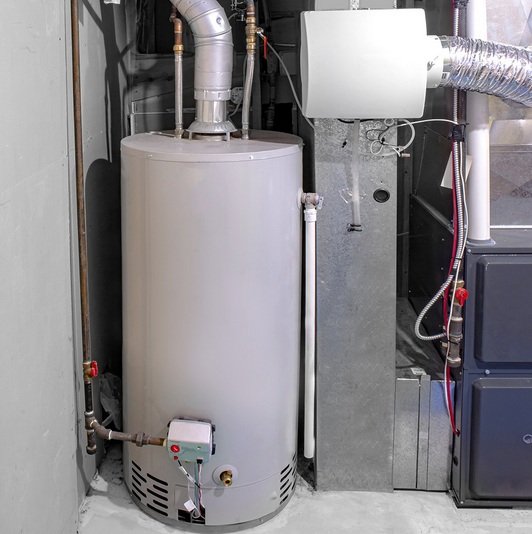
Water heaters are essential appliances in a home, providing hot water for various daily activities. Understanding the lifespan of these units is vital for homeowners who wish to avoid unexpected breakdowns and the costly repairs that accompany them. Tank water heaters, which are traditional in storage design, typically have a lifespan of about 8 to 12 years. In contrast, tankless water heaters, known for their on-demand heating capabilities, can outlast tank models with lifespans ranging from 15 to 20 years.
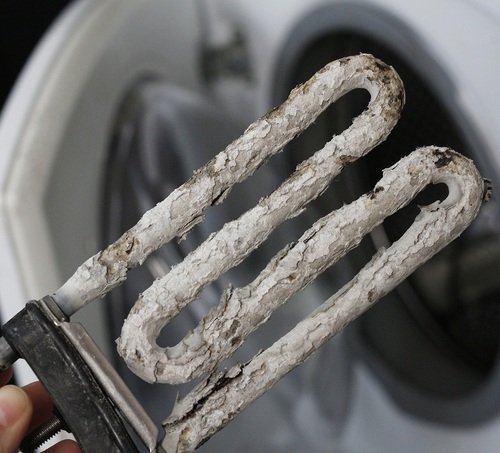
Several factors influence the longevity of water heater tanks. Water quality is paramount; hard water can lead to mineral buildup, which may accelerate corrosion and reduce efficiency. Regular maintenance practices, such as flushing the tank to remove sediment buildup, can significantly enhance the lifespan of both tank and tankless systems. Using water softeners may also mitigate the effects of hard water, extending the units’ operational period.
Usage patterns play a critical role in determining how long a water heater will last. Homes with high hot water demand may experience increased wear and tear on their heaters, making it crucial to consider the daily consumption needs before selecting a water heater. Additionally, proper installation and adherence to manufacturer guidelines regarding temperature settings can further influence how long water heaters perform effectively.
Replacement timelines should not solely rely on the age of the unit. Homeowners should remain vigilant for common signs of failure, including strange noises, leaks, or discolored water, signaling potential issues. According to industry statistics, about 75% of tank water heaters may show signs of problems before they fail completely. Therefore, a proactive approach to replacement can save homeowners from significant inconveniences and costs associated with emergency repairs.
Signs Your Water Heater Needs Replacement
Recognizing when your water heater requires replacement is essential for maintaining household efficiency and preventing significant damage. Various indicators can signal that your water heater has reached the end of its useful life. One of the most common signs includes an inconsistent hot water supply. If you notice fluctuations in temperature or experience prolonged periods without hot water, it may indicate that your water heater is struggling to meet demand. This inconsistency can stem from sediment buildup or other functional issues, suggesting the need for a replacement.
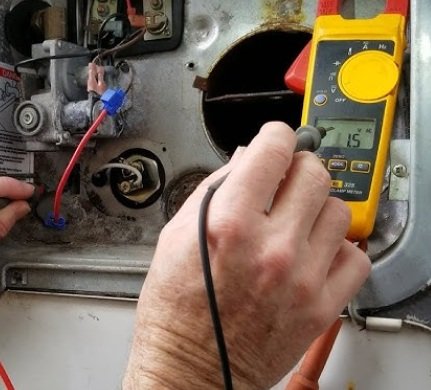
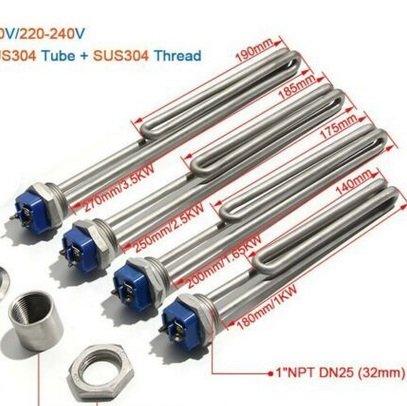
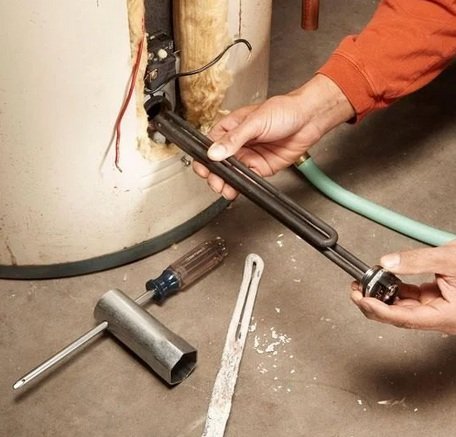
Additionally, unusual noises such as banging, popping, or hissing from the water heater can be a clear warning sign. These sounds often indicate that the tank’s internal components, like heating elements, are malfunctioning or that sediment is causing kettling, which can lead to further damage. Homeowners should pay close attention to these noises, as they can foreshadow a complete failure of the unit.
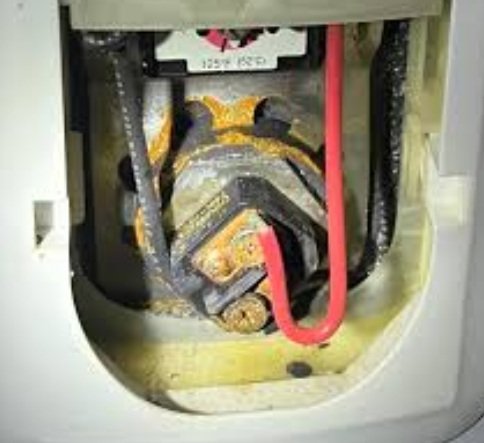
Visible corrosion on the tank’s exterior or connections points to a significant issue as well. Rust and corrosion typically develop over time, signaling that the protective coating may be deteriorating. This deterioration can lead to leaks and a severely compromised water heater, making it critical to assess any rust observed.
Finally, any leaks around the base of the water heater should never be ignored. Even minor leaks can quickly escalate into larger problems, including property damage and mold growth. If you identify pooling water or damp spots around the unit, it is advisable to consult a professional to evaluate the situation and consider potential replacement.
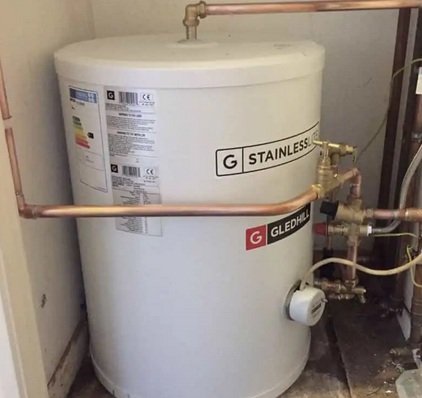
Benefits of Proactive Replacement
Proactive replacement of aging water heater tanks is an important decision that can lead to numerous benefits for homeowners. One significant advantage is improved energy efficiency. Older water heaters tend to consume more energy due to wear and tear, leading to higher utility bills. By replacing an outdated model with a newer, more efficient water heater, homeowners can take advantage of advanced technologies designed to reduce energy consumption while providing the same level of hot water.
Safety is another crucial factor to consider. Aging water heaters may pose safety risks, including leaks and potential explosions if they fail. Proactive replacement minimizes these risks and ensures that the home remains safe for its occupants. Newer models include safety features such as enhanced temperature controls and pressure relief systems that can protect the home from hazards.
In addition to safety and efficiency, proactive replacement also offers better performance. Newer systems, such as tankless water heaters, provide a continuous supply of hot water, eliminating the wait time associated with traditional tank-style systems. Homeowners can enjoy the convenience of having hot water on demand, significantly enhancing their daily routines.
Lastly, there are substantial potential cost savings tied to proactive replacement. By investing in a modern water heater, homeowners can avoid costly repairs associated with older units, which may require frequent maintenance or replacement parts. Furthermore, the energy savings from using advanced heating technology can lead to lower utility bills, making a proactive replacement a financially sound investment over the long term. Upgrading to models like heat pump water heaters also increases environmental sustainability by reducing energy consumption.
How to Choose the Right Replacement Water Heater
When considering a replacement water heater, it is essential to assess several key factors that ensure the new unit meets the household’s needs effectively. The first consideration should be the size of the water heater. It is crucial to select a unit that can accommodate the daily hot water consumption of all household members. Generally, the required storage capacity can be determined by evaluating the number of people in the home and their specific usage patterns for hot water.
Next, one must decide on the energy source, which typically ranges between gas and electric options. Gas water heaters generally offer lower operating costs, while electric units can be easier to install and maintain, particularly in homes lacking adequate gas lines. Evaluating local utility rates can aid in making a more informed choice between these energy sources.
Efficiency ratings should also be scrutinized closely as these directly impact the long-term operating costs of the heater. Units that are certified by Energy Star typically meet higher efficiency standards and can prove to be a more economical option over time. When budgeting for a new water heater, it is wise to consider not just the initial purchase price, but also the estimated ongoing energy consumption costs associated with each type.
Consulting professionals for advice tailored to specific household needs is advisable, as they can provide insights into models that suit long-term requirements. Furthermore, evaluating options based on future plans, such as family size changes or energy source availability, can guide a wiser investment decision.
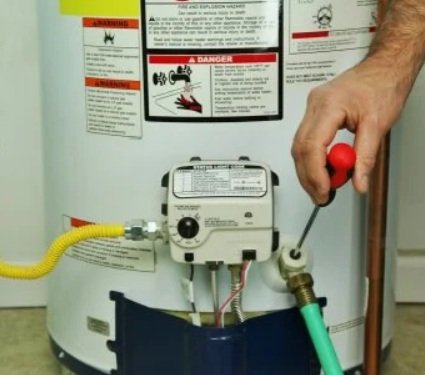
Once a new water heater is installed, continuous maintenance is vital to prolong the unit’s lifespan. Regular checks, such as flushing the tank and inspecting components, can ensure the system operates at optimal efficiency and reduces the likelihood of unexpected breakdowns.