Preventing Water Heater Thermal Expansion Damage: Essential Tips for Homeowners
Thermal expansion refers to the process in which materials, including water, expand in volume when heated. In the context of water heaters, this phenomenon occurs as the temperature of the water rises, causing it to take up more space. When water is heated, its molecules move faster and spread apart, leading to an increase in pressure within the water heater and associated plumbing systems.
In a typical residential water heater, the temperature can reach a set point of approximately 120 to 140 degrees Fahrenheit. As the water temperature increases, the resultant expansion can lead to a significant rise in pressure. Without appropriate measures to mitigate this pressure build-up, homeowners may face several adverse outcomes, including leaks, ruptures, and damage to plumbing systems. Such damage can not only necessitate costly repairs but can also lead to water damage in the home.
The mechanics of thermal expansion underscore the importance of recognizing its signs. Common indicators of potential thermal expansion issues may include peculiar noises originating from the water heater, visible leaks around the unit, or damp patches on walls and ceilings. Homeowners should also monitor their water pressure gauges, as abnormal readings can signal excessive pressure due to thermal expansion.
Overall, understanding thermal expansion and its impacts on water heaters is crucial for any homeowner. Awareness of this issue enables proactive measures to prevent damage, ensuring the longevity of the water heater and the safety of the home. By addressing thermal expansion effectively, homeowners can minimize the risks associated with heated water systems and maintain a functional plumbing setup.
Common Symptoms of Thermal Expansion Issues in Water Heaters
Understanding the common symptoms of thermal expansion issues in water heaters is crucial for homeowners to maintain their systems effectively. Identifying these signs early can prevent extensive damage and costly repairs. One prevalent indicator of thermal expansion problems is fluctuating water pressure. Homeowners may notice their water pressure varying significantly, especially when hot water faucets are turned on or off. This inconsistency can stem from excessive pressure build-up due to thermal expansion, which disrupts the normal flow of water.
Another telltale sign of a thermal expansion issue is the presence of strange noises emanating from the water heater. These sounds can range from popping or rumbling to hissing noises. Often, such noises indicate that excess pressure is leading to steam pockets or other malfunctions within the tank, signaling potential thermal issues that require immediate attention.
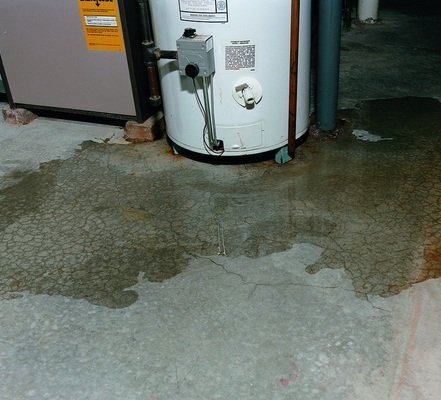
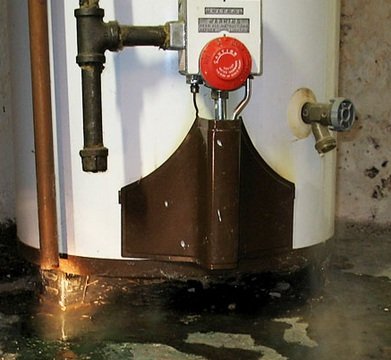
Leaks around the unit also point towards thermal expansion problems. Homeowners should be vigilant for any pooling water near the water heater, which could suggest that joints or seals are failing under pressure. Regular maintenance checks can help in early detection of leaks, thus preventing further issues, including more significant water damage to the surrounding areas.
Lastly, inconsistencies in hot water supply can be symptomatic of thermal expansion issues. If the hot water is intermittently unavailable or the temperature fluctuates unexpectedly, it may warrant a closer examination of the heater and its components. These inconsistencies are often tied to improper functioning as a result of thermal expansion, impacting the efficiency of the heater.
By recognizing these symptoms, homeowners can take proactive steps to address thermal expansion issues before they escalate into more severe problems, including costly repairs.
Preventative Measures to Mitigate Thermal Expansion Damage
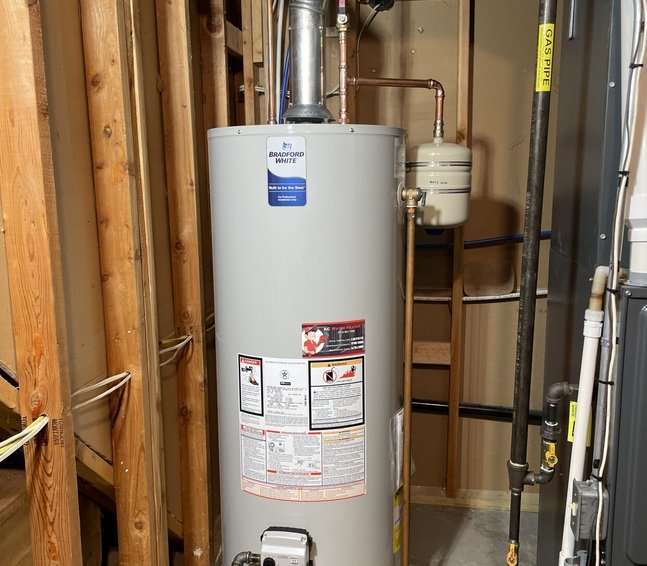
Managing thermal expansion in water heaters requires proactive strategies to prevent potential damage. One of the most effective measures homeowners can take is to install an expansion tank. This device serves as a buffer, accommodating the extra volume of water caused by thermal expansion. When water is heated, it expands, and without an expansion tank, this increased pressure can lead to leaks or even ruptures in the water heater or plumbing system. Therefore, it is wise to consult with a plumbing professional to ensure proper installation.
Additionally, incorporating a pressure relief valve is essential. This safety device helps mitigate excessive water pressure that may build up within the system. If the pressure increases beyond safe levels, the valve opens to release water, thus preventing damage to the heater and the house’s plumbing infrastructure. Regular inspections and routine maintenance of this valve are necessary to ensure it functions properly when required.
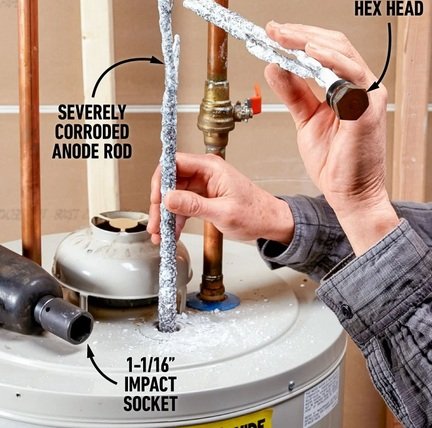
Homeowners should also prioritize regular maintenance of their water heaters, which includes flushing the tank to remove sediment buildup and checking for any leaks or corrosion. This is crucial because sediment can hinder the efficiency of the water heater and increase the likelihood of thermal expansion problems. Furthermore, choosing the appropriate size of water heater for your home is vital. An undersized unit will struggle to meet water heating demands, causing it to cycle frequently, which can exacerbate thermal expansion issues. By assessing the home’s hot water needs and choosing a heater that aligns with these requirements, homeowners can mitigate risks associated with thermal expansion.
When to Call a Professional
Understanding when to seek professional assistance for thermal expansion issues in your water heating system is crucial for maintaining its efficiency and preventing damage. Homeowners should be aware of specific scenarios that necessitate the expertise of a plumber or HVAC technician. If you notice unusual noises such as banging or popping sounds coming from your water heater, it may indicate excessive pressure buildup due to thermal expansion. Ignoring these signs can lead to serious complications, including leaks or even tank failure, making it vital to act promptly.
Moreover, if you regularly experience fluctuations in water temperature or inconsistent hot water supply, it is wise to consult with a professional. Such irregularities can stem from thermal expansion problems and may require specialized knowledge to diagnose and remedy accordingly. Additionally, if you detect visible signs of water pooling around the water heater or rust and corrosion on the unit itself, immediate attention is essential. These indicators often signal that a thermal expansion issue has escalated and could lead to more extensive damage if not addressed in a timely manner.
To find qualified professionals for your water heater maintenance needs, consider utilizing online resources such as the Better Business Bureau (BBB) or HomeAdvisor, which can connect you with licensed service providers in your area. Furthermore, engaging with local homeowner associations or community forums may yield personal recommendations for reputable technicians. For those eager to understand more about thermal expansion and proper maintenance of water heating systems, reputable sources such as the U.S. Department of Energy and specialized plumbing associations provide valuable educational materials. Engaging with these resources fosters a deeper awareness and proactive stance towards your water heater’s health.