Skip to content
Pro Aqua Tech
Pro Aqua Tech
  • Is Reverse Osmosis Water Safe for Drinking?
    Reverse Osmosis Systems

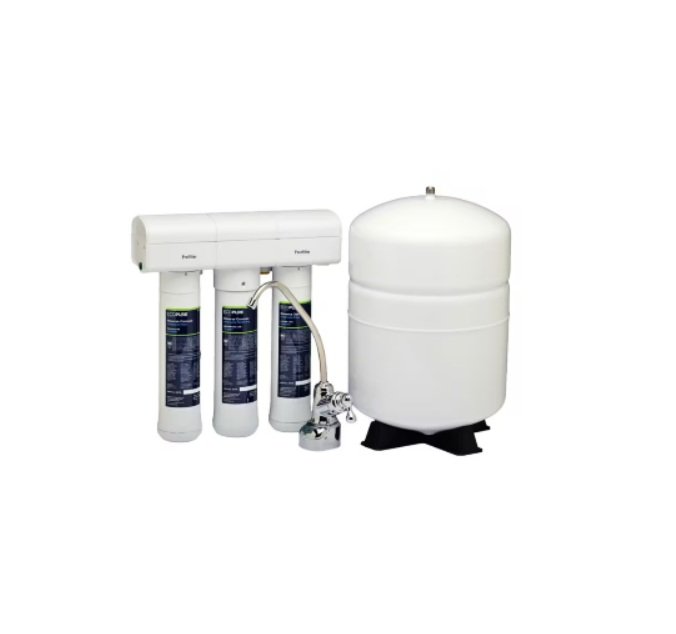
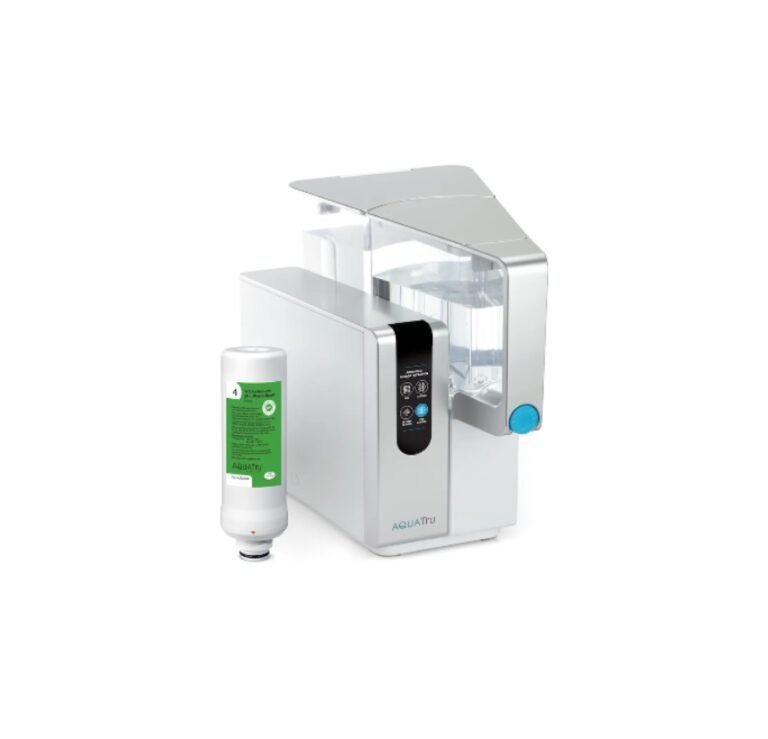
    Is Reverse Osmosis Water Safe for Drinking?

    Reverse osmosis (RO) is a water purification process that employs a semi-permeable membrane to separate contaminants from water. The fundamental principle behind reverse osmosis lies in osmosis, wherein solvent molecules naturally move through a membrane from an area of lower solute concentration to an area of higher solute concentration. However, in the reverse osmosis process,…
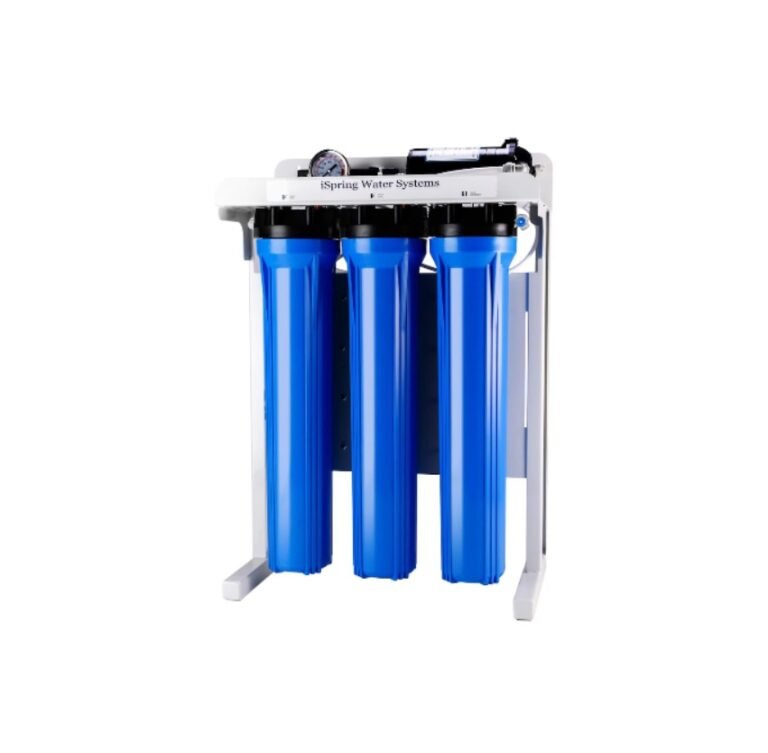
    Read More Is Reverse Osmosis Water Safe for Drinking?Continue

  • Troubleshooting Low Water Pressure in RO Systems
    Reverse Osmosis Systems

    Troubleshooting Low Water Pressure in RO Systems

    Reverse osmosis (RO) systems are widely recognized for their effectiveness in water purification, making them a popular choice for both residential and commercial use. The fundamental principle behind these systems is the use of a semi-permeable membrane that allows water to pass through while rejecting a significant proportion of dissolved solids, contaminants, and impurities. This…

    Read More Troubleshooting Low Water Pressure in RO SystemsContinue

  • How to Maintain Your RO System for Peak Performance
    Reverse Osmosis Systems

    How to Maintain Your RO System for Peak Performance

    Reverse osmosis (RO) systems are widely recognized for their effectiveness in purifying water. An understanding of the basic components and their roles in the filtering process is essential for proper maintenance. A typical RO system consists of several key elements, including pre-filters, the RO membrane, and post-filters. Each component plays a vital role in ensuring…

    Read More How to Maintain Your RO System for Peak PerformanceContinue

  • Comparing Different RO Systems for Residential Use
    Reverse Osmosis Systems

    Comparing Different RO Systems for Residential Use

    Reverse Osmosis (RO) technology is a widely recognized method for purifying water, effectively removing impurities, contaminants, and dissolved solids from a water supply. The fundamental principle of RO relies on the process of osmosis, which inverts through applying pressure to force water through a semi-permeable membrane. This membrane acts as a barrier that allows only…

    Read More Comparing Different RO Systems for Residential UseContinue

  • Signs Your Reverse Osmosis System Needs Repair
    Reverse Osmosis Systems

    Signs Your Reverse Osmosis System Needs Repair

    Reverse osmosis (RO) systems are advanced water filtration units designed to remove a broad array of contaminants from water, utilizing a process that mimics natural osmosis in reverse. In basic terms, osmosis involves the movement of water through a semi-permeable membrane from a less concentrated solution to a more concentrated one. In a reverse osmosis…

    Read More Signs Your Reverse Osmosis System Needs RepairContinue

  • How Often Should You Replace RO Filters?
    Reverse Osmosis Systems

    How Often Should You Replace RO Filters?

    Reverse osmosis (RO) systems are advanced water purification technologies that utilize a semipermeable membrane to filter out impurities from water. These systems are increasingly becoming a crucial component in both residential and commercial water filtration setups. The principle behind reverse osmosis involves applying pressure to water, forcing it through the membrane that separates contaminants from…

    Read More How Often Should You Replace RO Filters?Continue

  • The Benefits of Installing a Reverse Osmosis (RO) System in Your Home
    Reverse Osmosis Systems

    The Benefits of Installing a Reverse Osmosis (RO) System in Your Home

    Reverse osmosis (RO) technology is a widely recognized process used for purifying water. This method employs a semi-permeable membrane, which allows only certain molecules, such as water, to pass through while blocking contaminants and impurities. The fundamental principle of reverse osmosis is to leverage osmotic pressure to remove unwanted particles from water, ensuring safe and…

    Read More The Benefits of Installing a Reverse Osmosis (RO) System in Your HomeContinue

  • Understanding Reverse Osmosis Systems: How They Work and Their Benefits
    Reverse Osmosis Systems

    Understanding Reverse Osmosis Systems: How They Work and Their Benefits

    A reverse osmosis (RO) system is a water purification technology that uses a semi-permeable membrane to remove impurities and contaminants from water. This filtration method operates by applying pressure to water, forcing it through the membrane, which only allows water molecules to pass while rejecting larger molecules, ions, and contaminants. The primary purpose of a…

    Read More Understanding Reverse Osmosis Systems: How They Work and Their BenefitsContinue

  • Emergency Tips for No-Hot-Water Situations
    Water Heaters

    Emergency Tips for No-Hot-Water Situations

    Experiencing a sudden lack of hot water can be both inconvenient and perplexing for homeowners. Understanding the common causes behind this issue is essential for determining the appropriate course of action. Frequently, hot water problems stem from issues with the hot water heater itself, which can range from mechanical failures to inadequate power supply. One…

    Read More Emergency Tips for No-Hot-Water SituationsContinue

  • How to Check and Adjust Your Water Heater Temperature
    Water Heaters

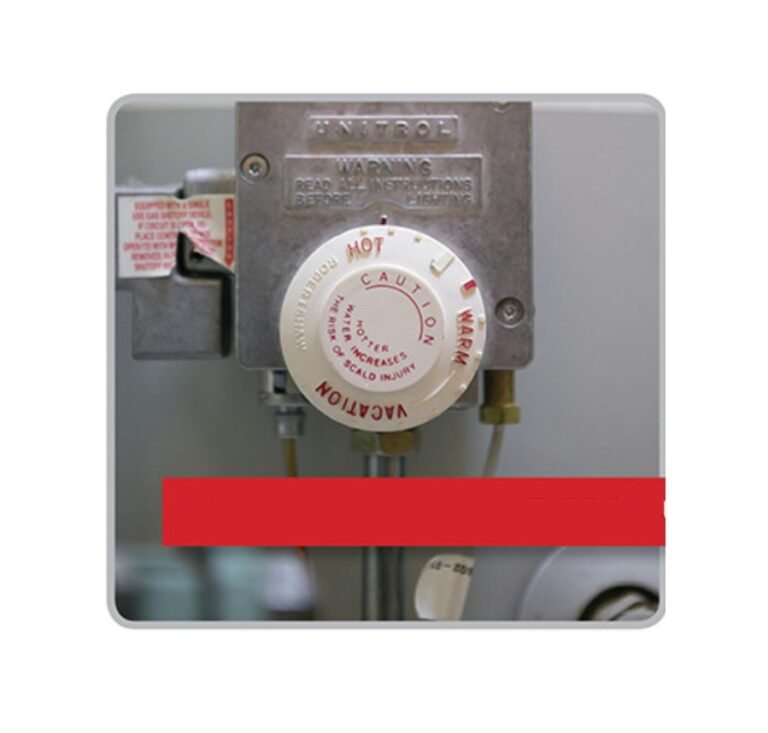
    How to Check and Adjust Your Water Heater Temperature

    Water heater temperature settings are vital parameters that influence both safety and energy efficiency in the household. These settings typically range from the lowest temperature, around 120 degrees Fahrenheit, to the maximum, which can reach up to 140 degrees Fahrenheit or higher. Understanding these settings is essential for ensuring that the water heater meets everyday…

    Read More How to Check and Adjust Your Water Heater TemperatureContinue

  • When to Upgrade Your Water Heater to Tankless
    Water Heaters

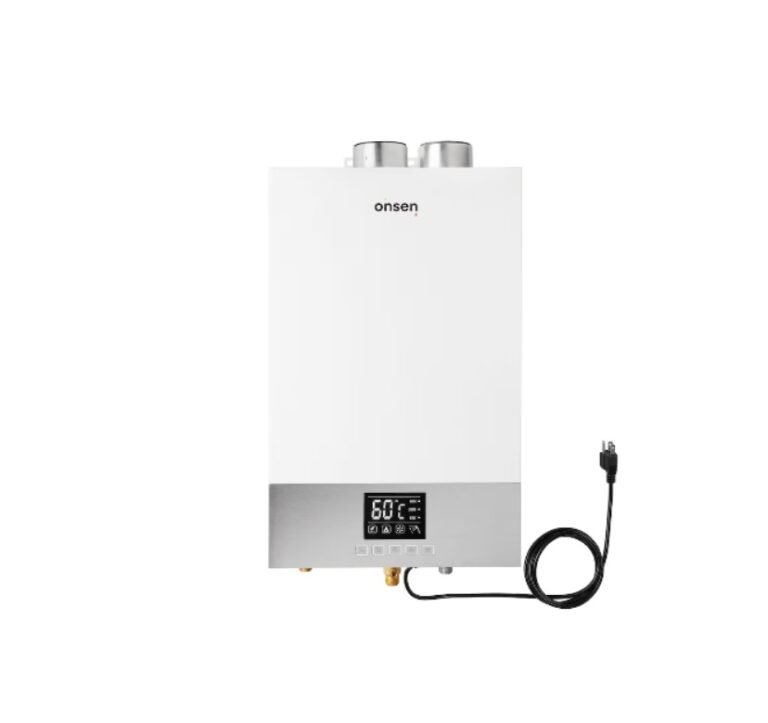
    When to Upgrade Your Water Heater to Tankless

    When considering water heating systems, one must evaluate the functionality and efficiency of traditional tank water heaters in contrast to tankless models. Traditional water heaters operate by storing a predetermined amount of heated water in a tank, typically holding anywhere from 20 to 80 gallons. These units continuously maintain the water temperature, leading to significant…

    Read More When to Upgrade Your Water Heater to TanklessContinue

  • How to Save Energy with Your Water Heater
    Water Heaters

    How to Save Energy with Your Water Heater

    Water heaters are essential appliances in many households, providing hot water for various daily activities. Understanding the different types of water heaters available can help you make informed decisions regarding energy efficiency and overall performance. The three main types of water heaters include traditional storage water heaters, tankless water heaters, and heat pump water heaters….

    Read More How to Save Energy with Your Water HeaterContinue

Page navigation

Previous PagePrevious 1 … 9 10 11 12 13 Next PageNext
HOME
TERMS & CONDITIONS
PRIVACY POLICY

© 2026 Pro Aqua Tech

Scroll to top
Search