Monitoring Energy Usage After Water Heater Repairs: A Crucial Step
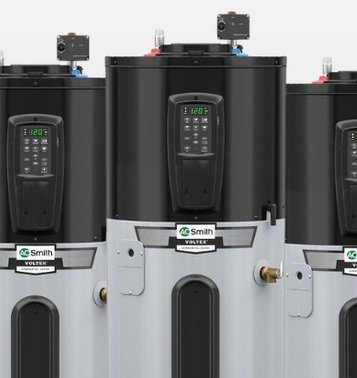
Water heaters are essential appliances in homes and businesses, providing the necessary hot water for various needs such as bathing, cooking, and cleaning. However, it is crucial to understand how these appliances consume energy and the significance of monitoring energy usage, especially after repairs. Water heaters predominantly fall into three categories: tank, tankless, and heat pump heaters. Each type operates differently and has varied energy consumption rates.
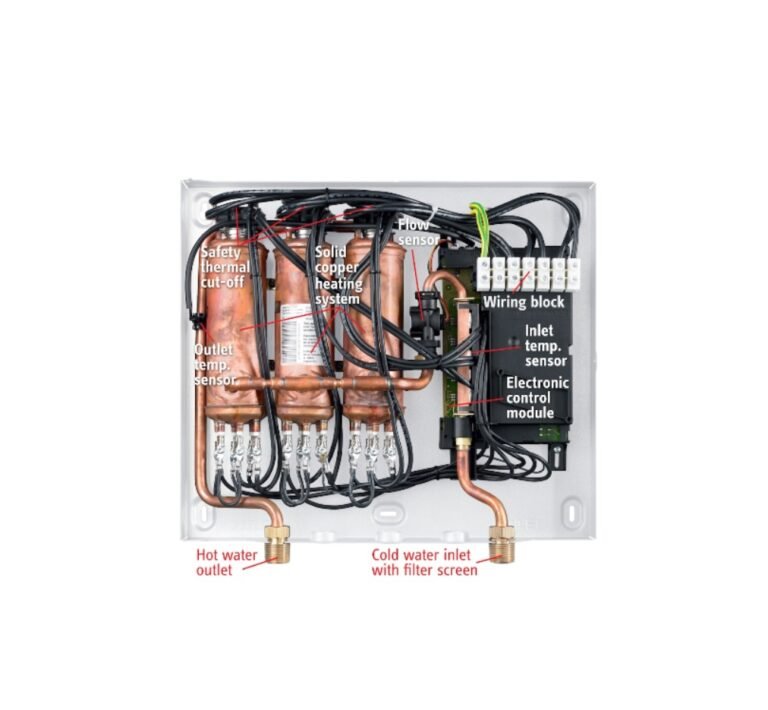
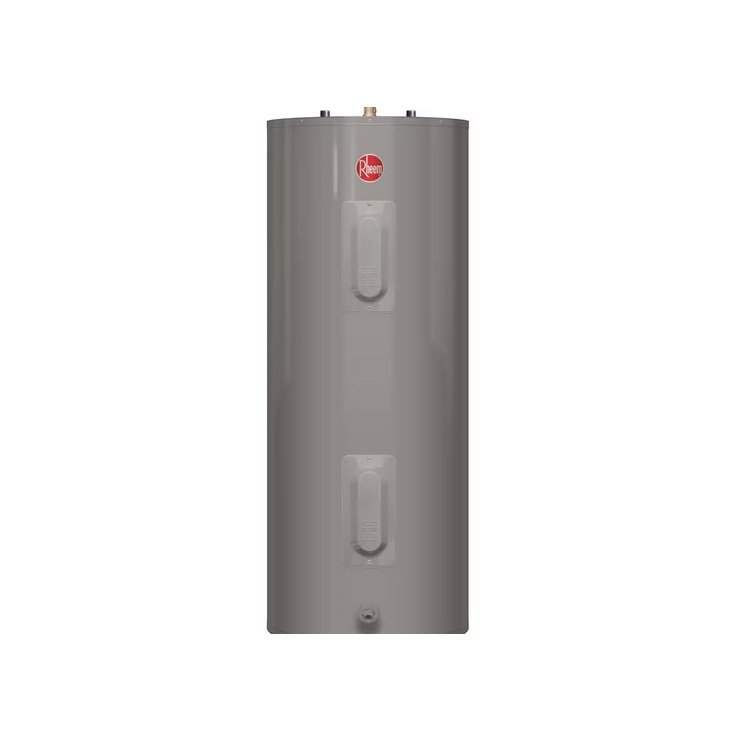
Tank water heaters, which are traditional models, store a large volume of water in a tank and maintain the water temperature using energy. This type typically consumes around 3,000 to 4,500 watts, resulting in substantial energy usage throughout the day. In contrast, tankless water heaters heat water on demand, generally using energy more efficiently. While they may use up to 27,000 watts when active, their ability to eliminate standby heat loss can lead to lower overall energy costs if the water heating requirements are moderate.
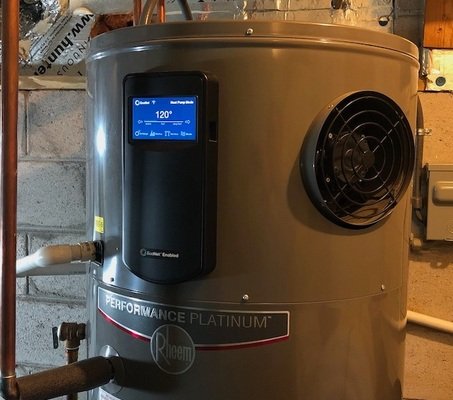
Heat pump water heaters utilize electricity to transfer heat from the air or ground to heat water. Although their initial installation cost may be higher, they typically consume less energy, with an average usage of 2,000 to 3,000 watts, making them one of the most energy-efficient options available.
Upon repairing water heaters, it becomes important to monitor their energy usage closely. Signs of energy inefficiency commonly include fluctuations in water temperature, unusual noises, and rising utility bills. Regular monitoring after repairs ensures that the water heater operates at optimal efficiency, which can prevent further issues and contribute to energy savings. Consequently, understanding the energy consumption rates of different water heater types and the critical indicators of inefficiency plays a pivotal role in maintaining both performance and cost-effectiveness in energy usage.
Why Check Energy Usage After Repairs?
Monitoring energy usage after completing water heater repairs is essential for several reasons. Firstly, following repairs, there may be underlying issues that were either overlooked or inadequately addressed during the repair process. For instance, improper installation of components or the replacement of faulty parts can lead to increased energy consumption. Such inefficiencies can drive up utility bills, undermining the financial benefits of the repairs performed.
Another critical reason to evaluate energy usage is to ensure that the repairs have effectively restored the water heater’s efficiency. A properly functioning water heater should operate within a certain energy consumption range. If a noticeable increase in energy usage is experienced post-repair, it indicates that further investigation is required. It may necessitate revisiting the installation or checking the quality of the replacement parts, ensuring that they are the correct specifications for the unit.
Moreover, verifying energy consumption patterns after repairs can promote the longevity of the water heater. Regular monitoring can help detect anomalies early on, allowing for timely interventions before minor issues escalate into major problems. By maintaining optimal energy usage, homeowners not only save money but also extend the lifespan of their water heater, ultimately reducing the frequency of repairs and replacements.
In addition to financial savings and increased lifespan, checking energy usage after repairs contributes to environmentally friendly practices. A more efficient water heater consumes less energy, resulting in lower carbon emissions and reduced overall environmental impact. This aspect serves to reinforce the importance of meticulous monitoring after any repair work is completed.
Methods to Monitor Energy Usage
After repairs have been completed on a water heater, effectively monitoring energy usage becomes essential to ensure that the system is operating efficiently. Utilizing various tools and methods can help homeowners track their energy consumption and identify potential issues.
One of the most popular tools available for monitoring energy consumption is the smart thermostat. Smart thermostats offer more than just temperature control; they provide insights into overall energy usage by tracking the kilowatt-hours used by the water heater among other appliances. These devices often come with smartphone apps that allow for easy real-time monitoring and adjustments. For optimal use, homeowners should set up customizable alerts for unusual patterns in energy usage, which can signal inefficiencies or malfunctions.
Another effective tool is an energy monitor. These devices can be plugged directly into the power source of the water heater or installed into the circuit box to measure energy consumption. Many energy monitors provide detailed reporting, allowing users to visualize their energy usage patterns over time. Monitoring spikes in energy consumption can help homeowners quickly identify any unexpected increases, facilitating prompt action to rectify problems.
Additionally, many utility companies now offer online portals that provide customers with insights into their energy usage. These tools often include features that compare energy usage against previous months or similar households, giving valuable benchmarks. Such comparative analysis is particularly useful for identifying spikes in energy usage that may suggest a need for further investigation.
While using these tools, focusing on key metrics like daily or monthly kilowatt-hour consumption will be helpful. Homeowners should look for significant deviations from their typical usage patterns, which can indicate either excessive energy consumption or potential efficiency problems in the repaired water heater. Interpreting this data involves understanding what constitutes normal operation based on factors such as seasonality, household occupancy, and water usage habits.
Troubleshooting High Energy Usage After Repairs
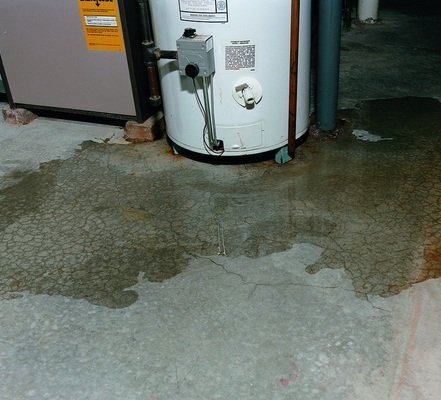
After water heater repairs, it is essential to monitor energy usage closely, as residual inefficiencies can lead to unexpectedly high energy bills. If energy consumption remains elevated, several factors might contribute to this issue. One of the common culprits is leaks in the system. Even minor leakages can result in considerable energy loss. Therefore, inspecting the water heater and surrounding pipes for any signs of moisture or puddling is vital. If a leak is detected, it should be addressed immediately, either by tightening fittings or replacing faulty components.
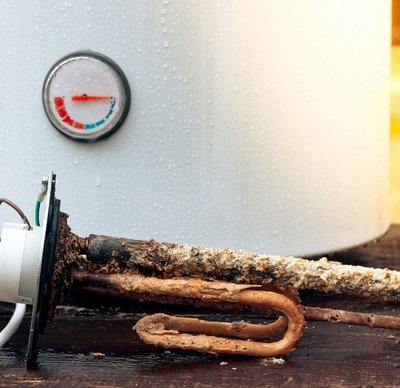
Another critical aspect to examine is sediment build-up within the tank. Over time, sediment can accumulate and hinder the heater’s efficiency, making it work harder and consume more energy. To rectify this issue, consider flushing the tank periodically to remove any sediment deposits. This maintenance practice helps in restoring optimal functionality and prolonging the lifespan of the water heater.
Furthermore, incorrect thermostat settings can also lead to increased energy usage. It is advisable to ensure the thermostat is set to an appropriate temperature, typically between 120°F to 140°F. If the setting is too high, the water heater must compensate by using additional energy. Regularly reviewing and adjusting the thermostat can yield noticeable savings in energy costs.
Additional maintenance tips include insulating the hot water lines and the tank if required. Insulation helps retain heat, minimizing the need for excessive heating and enhancing energy efficiency. Regular checks and maintenance post-repair not only mitigate high energy usage but also ensure the water heater operates effectively for years to come.