Maximizing Efficiency with Timers for Electric Water Heaters
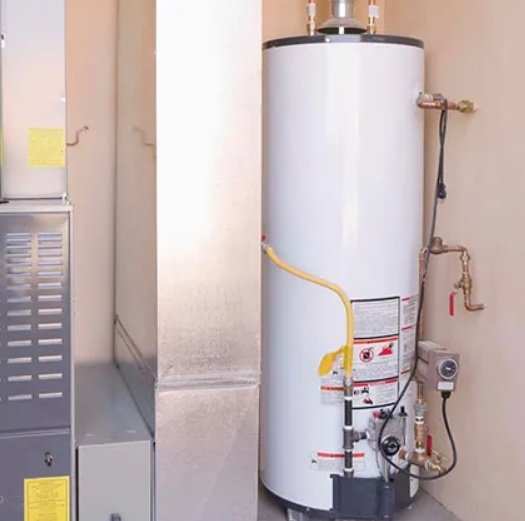
Electric water heaters are essential appliances utilized for heating water in residential and commercial buildings. They function by converting electrical energy into heat, utilizing specific components designed for this purpose. The primary components of an electric water heater include the heating elements, thermostat, and storage tank.
The heating elements are typically submerged in the water contained within the storage tank. When the thermostat detects that the water temperature has dropped below a preset level, it activates the heating elements, which generate heat through electrical resistance. This process continues until the water reaches the desired temperature, after which the thermostat shuts off the heating elements to conserve energy.
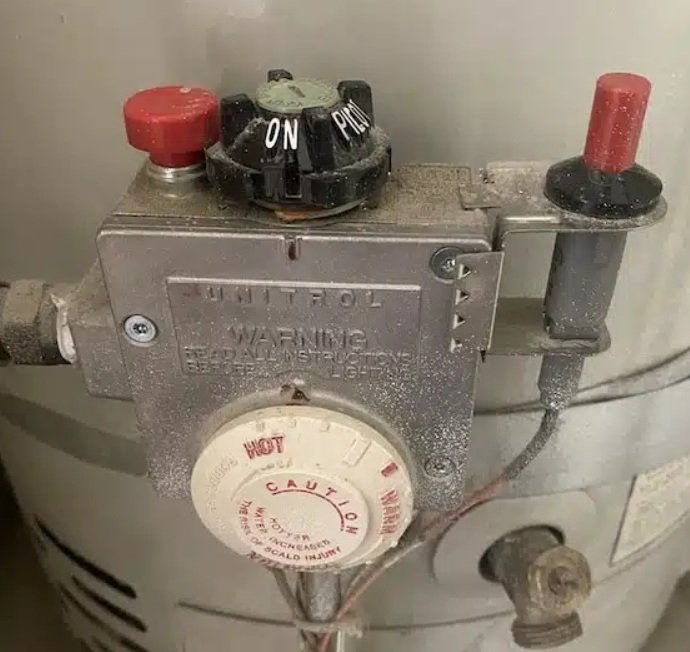
Temperature regulation is a crucial aspect of the operation of electric water heaters. A well-calibrated thermostat ensures that water reaches and maintains the optimal temperature without excessive energy consumption. Traditionally, users set their heaters to a temperature between 120 and 140 degrees Fahrenheit; however, lower temperature settings can significantly reduce energy costs while providing adequate hot water for everyday needs.
Energy consumption is another critical factor to consider when discussing electric water heaters. These appliances can contribute significantly to a household’s overall energy usage. By understanding how the heating process works and how the components interact, homeowners can make informed decisions when it comes to optimizing their water heater’s efficiency. This can be achieved through the use of timers, which allow for strategic heating schedules based on peak usage times, thereby minimizing energy waste.
In summary, recognizing how electric water heaters operate and the significance of their components like heating elements and thermostats is essential for homeowners aiming to increase their energy efficiency. By optimizing these systems, individuals can enjoy both comfort and savings in their energy bills.
Benefits of Using Timers on Electric Water Heaters
Electric water heaters are pivotal in many households, but their operation can sometimes lead to unnecessary energy consumption. One effective solution to enhance energy efficiency is the installation of timers. Timers provide users the ability to control when their water heaters are in operation, which can lead to significant cost savings.
Cost-effectiveness is one of the most immediate benefits associated with using a timer on electric water heaters. By programming the heater to operate only during off-peak times, homeowners can take advantage of lower electricity rates. This strategic scheduling can result in noticeable reductions in energy bills, making it a financially savvy choice for homeowners looking to maximize their budget.
Another advantage of timers is the convenience they offer in managing specific heating times. With a timer set, the water heater will automatically turn on before a user typically requires hot water, ensuring that it is available without needing to leave it running throughout the day. This level of control not only streamlines daily routines but also prevents the unnecessary heating of water, thereby conserving energy.
Environmental impacts also play a vital role in the discussion of timer use. The implementation of energy-efficient practices, such as installing timers, contributes to a reduction in overall energy consumption. By decreasing the amount of electricity consumed, timers aid in minimizing carbon footprints and promoting sustainable living. Homeowners can feel good about their choice, knowing that they are taking steps to reduce environmental impact while enjoying the benefits of hot water when needed.
In summary, the installation of timers on electric water heaters can lead to lowered energy bills, enhanced user convenience, and beneficial environmental outcomes. Embracing this technology represents a proactive approach to energy management and efficiency.
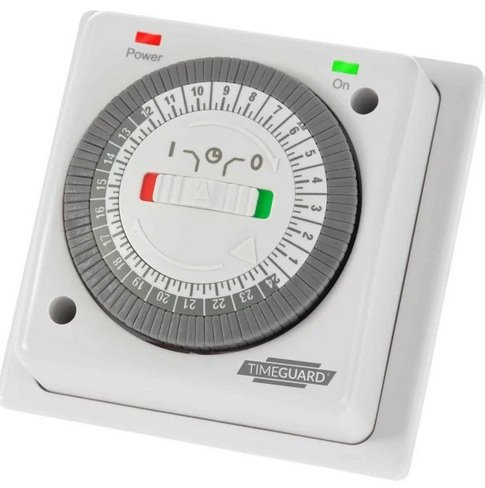
When Is it Appropriate to Use Timers?
Electric water heaters are vital appliances in many households, providing hot water for various activities such as bathing, cooking, and cleaning. However, utilizing these appliances efficiently is crucial for managing energy consumption and reducing costs. This is where timers come into play. Their implementation can enhance the overall efficiency of electric water heaters, particularly in several specific scenarios.
One of the most appropriate situations to use timers is when a household has predictable routines. For example, if family members typically take showers in the morning and evening, setting the timer to heat water only during these peak usage periods can help avoid unnecessary energy consumption. By limiting the heating time to just before hot water is needed, homeowners can ensure that energy is not wasted heating water when it is not in use.
Another scenario involves analyzing peak energy demand times. Many utility companies implement time-of-use rates, charging higher prices during peak hours. Homeowners can take advantage of timers by scheduling the water heater to operate during off-peak hours, thereby reducing energy costs significantly. This practice not only lowers monthly expenditures but also contributes to a more balanced energy load on the grid, promoting overall sustainability.
Additionally, potential cost savings can be realized by using timers in conjunction with energy-efficient practices. For instance, if a household often travels or has extended periods without residents, programming the timer to turn off can minimize energy wastage. Similarly, seasonal adjustments can be made; for example, reducing hot water availability during warmer months when hot water usage typically decreases.
Overall, assessing household routines alongside energy demand patterns can help homeowners determine the suitability of timers for their electric water heaters. By doing so, they can maximize efficiency and achieve significant energy savings over time.
When it comes to maximizing the efficiency of electric water heaters through timers, it is essential to consider practical approaches for selection, installation, and usage. These strategies will not only enhance energy conservation but also ensure the longevity of your water heater.
Selecting the Right Timer
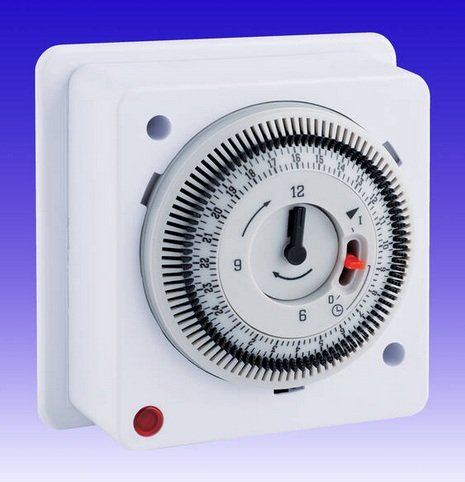
The first step in utilizing timers is to choose an appropriate model. Programmable timers come in various types: plug-in, in-line, and smart timers. For most residential applications, a programmable in-line timer that can be wired directly to the water heater offers convenience and reliability. Ensure the timer you select is compatible with the wattage of your heater and has features that allow scheduling based on your household hot water usage.
Installation Process
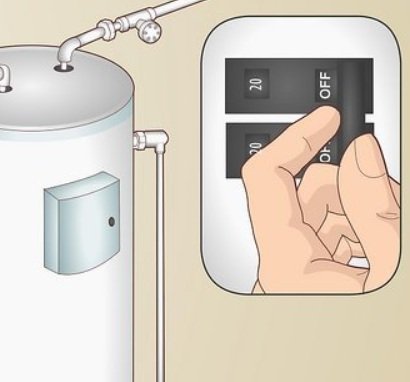
After selecting the right timer, installation can be straightforward. Begin by turning off the power to the water heater at the circuit breaker. Next, follow the manufacturer’s instructions to connect the timer to the power supply and the electric water heater. Typically, this will involve stripping the wires and connecting them to the corresponding terminals on the timer. For safety and compliance, it is advisable to consider enlisting a certified electrician if you are not confident in performing electrical work.
Setting Up the Timer
Once installation is complete, programming the timer to match your household schedule is crucial. For optimal use, set the timer to operate during off-peak hours when electricity rates are lower, such as overnight. Many timers allow you to set multiple on/off cycles which can be beneficial for households with varying hot water needs throughout the week.
Maintenance Tips
To ensure your timer and electric water heater are functioning efficiently, regular maintenance is key. Keep the timer’s exterior clean and avoid moisture build-up, as this can affect performance. Periodically check the settings to confirm they align with your usage patterns, and troubleshoot any issues that arise. Common pitfalls include incorrect programming or malfunctioning timer components, which can often be resolved by restarting the unit or consulting the user manual.
In summary, effectively utilizing timers for electric water heaters can lead to significant energy savings and efficiency. By selecting the right timer, following a detailed installation process, and maintaining the unit, homeowners can greatly enhance their hot water management systems.