Maintaining Your Plumbing System on a Budget: Essential Tips and Tricks
A plumbing system is composed of various essential components that work in unison to provide water supply and drainage services within your home or building. The primary elements include pipes, fixtures, and drainage systems, each serving a specific function to facilitate the movement and management of water.
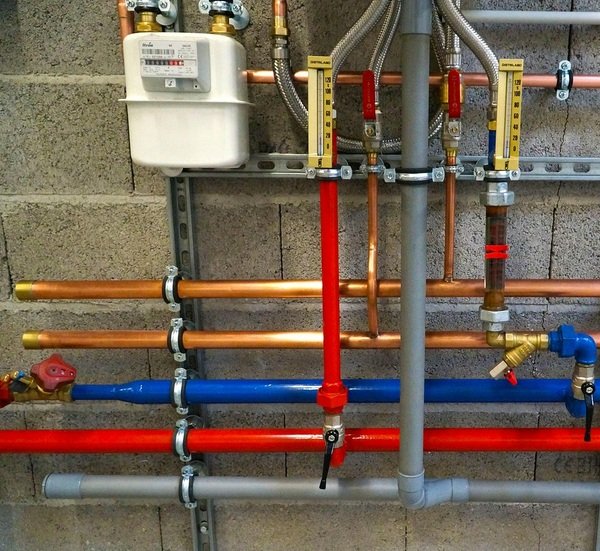
The core of the plumbing system involves pipes that transport both potable and waste water. These pipes are typically made of materials such as PVC, copper, or galvanized steel, with each material possessing distinct properties that affect their durability and cost. For instance, PVC pipes are lightweight, resistant to corrosion, and cost-effective, making them popular for drainage systems. In contrast, copper pipes are well-regarded for their longevity and reliability, especially in hot water supply lines.
Fixtures are the visible components of the plumbing system, including sinks, toilets, faucets, and showers. They play a crucial role in the daily functions of any residence by providing access to water for multiple uses. Understanding the type of fixtures and their maintenance needs can prevent minor issues from escalating into significant problems.
Drainage systems, on the other hand, manage the removal of waste water from your property. This system includes the components that lead to the main sewer line or a septic tank. A well-functioning drainage system is vital to avoid unpleasant complications, such as blockages and leaks. Common issues include clogged pipes, dripping faucets, and running toilets, all of which can lead to increased water bills and extensive repairs.
Regular maintenance of the plumbing system is essential to ensure its efficient operation and longevity. By familiarizing yourself with these components and their functions, you can proactively address potential concerns and maintain your plumbing system effectively, ultimately saving on costly repairs in the long run.
DIY Maintenance Tips to Save Money
Maintaining your plumbing system on a budget doesn’t have to be a daunting task. There are several simple yet effective DIY maintenance tips that homeowners can implement to ensure their plumbing is in good condition. By taking proactive measures, you can avoid costly repairs and extend the life of your plumbing system.
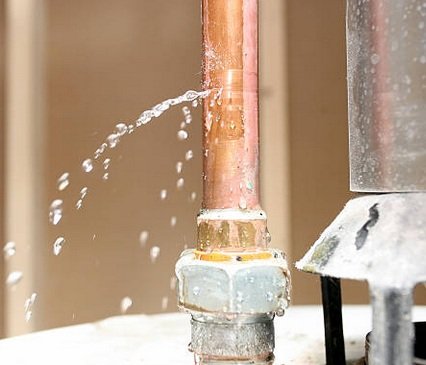
One essential task is to regularly inspect your pipes for any signs of wear or damage. Begin by checking exposed pipes in your basement or under sinks for any leaks or corrosion. For this job, you’ll need a flashlight and a cloth to wipe down the pipes. Keep an eye out for damp spots, which may indicate a more significant problem. This inspection should ideally be performed once every three months.
Cleaning out drains is another vital step in plumbing maintenance. To do this, gather a plunger and a drain snake. Start by plunging any slow drains to dislodge clogs. If that doesn’t work, use the drain snake to remove any stubborn debris. This task generally costs nothing if you own the tools already, and doing it regularly can prevent more significant blockages that may require professional help.
Additionally, checking for leaks in your faucets and toilets can save you a considerable amount on your water bill. Begin by turning off the water supply and inspecting the connections. For drip issues, you may need to replace washers or seals, which can be purchased at a local hardware store for minimal cost. If you notice your toilet running, it might just need a flapper replacement, which is also an inexpensive fix.
With these straightforward tips, homeowners can maintain their plumbing systems effectively and economically. By performing regular inspections, cleaning drains, and checking for leaks, you can keep unexpected plumbing expenses at bay and gain confidence in your home maintenance skills.
When to Call the Professionals
While maintaining your plumbing system through DIY methods can prove to be both cost-effective and beneficial, it is essential to recognize the specific situations that necessitate professional intervention. A licensed plumber is trained to handle complex plumbing issues that may exceed the scope of amateur attempts. For instance, persistent leaks, severe clogs that resist basic treatment, or water pressure abnormalities often signal deeper issues requiring expert analysis.
Signs that indicate the need for professional plumbing services include water damage, which may present as discoloration on walls or ceilings, or pooling around fixtures. Other indicators can involve unusual sounds such as bubbling or gurgling in pipes, particularly if they occur after using taps or toilets. Additionally, if your water bills spike without a corresponding increase in water usage, it may indicate hidden leaks that need professional assessment.
When seeking affordable plumbing services, start by gathering recommendations from trusted sources such as friends and family. Online review platforms and local community forums can also provide insights into various providers’ reputations. Ensure any plumber you consider is appropriately licensed and insured, as this signifies that they adhere to industry standards and best practices.
It is crucial to assess the value of different service providers not just based on pricing but also on their service quality and responsiveness. Requesting detailed estimates and clarifying what the service covers can help avoid unexpected costs later. Remember, investing in a qualified professional can save you money in the long run by preventing further complications that might arise from inadequate handling of plumbing issues.
Budgeting for Plumbing Repairs and Upgrades
Managing your plumbing system effectively often requires a frank discussion about budgeting for repairs and necessary upgrades. Creating a comprehensive home maintenance budget is pivotal, as it not only enables you to track expenses but also helps you plan for upcoming projects and emergencies. Begin by assessing the current state of your plumbing system. Identify areas that may require immediate repairs, such as leaks or outdated fixtures, and earmark a portion of your budget for these urgent needs.
In addition to regular repairs, it is wise to set aside funds for unexpected plumbing issues. Establishing an emergency fund is crucial; consider saving three to six months’ worth of potential repair costs. This fund will act as a financial cushion when faced with sudden plumbing disasters, preventing you from compromising other financial obligations.
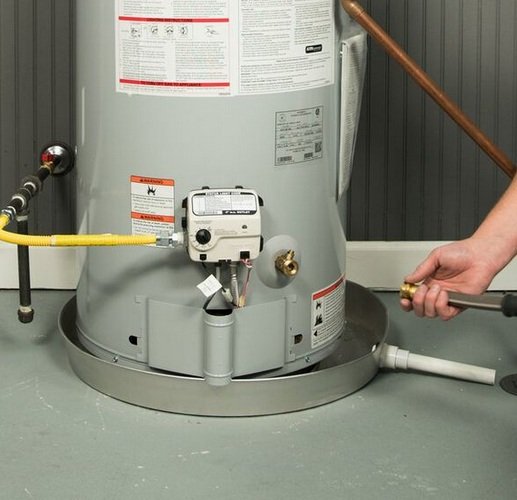
When budgeting for upgrades, prioritize projects that offer long-term savings. For instance, while replacing an old water heater is an upfront expense, modern models are more efficient and can significantly reduce your utility bills over time. Additionally, consider financing options for larger projects. Many plumbing companies offer payment plans that allow you to spread the cost over several months, making it easier to manage high-expense upgrades without overwhelming your budget.
Lastly, explore community resources that may assist homeowners in financial distress. Local non-profits or government programs sometimes offer grants or low-interest loans for necessary home repairs. By being proactive and resourceful in your budgeting efforts, you can ensure that your plumbing system remains functional while also keeping your finances in check.