Keeping Your Water Heater Drain Valves Functional and Clean
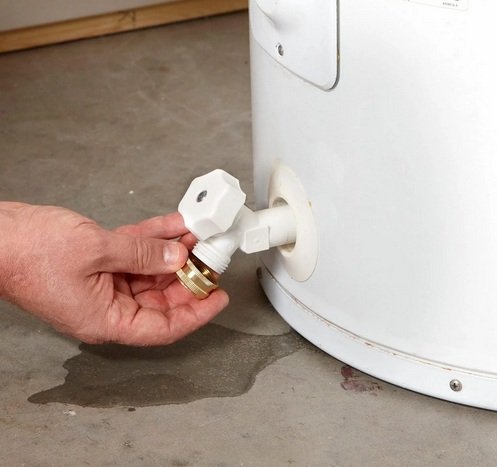
Water heater drain valves play a crucial role in maintaining the efficiency and longevity of the heating system. These valves are essential components that facilitate the draining of water from the tank, allowing homeowners to perform necessary maintenance tasks, such as flushing out sediment and mineral deposits that accumulate over time. Regular maintenance of the water heater, including using the drain valve, helps ensure optimal performance and can prevent a multitude of issues that may arise if neglecting this aspect of care.
When sediment builds up within the tank, it can lead to numerous complications. First and foremost, the accumulation of minerals and debris can hinder the water heater’s efficiency, causing it to use more energy and increasing your utility bills. A water heater that operates inefficiently may also not provide the adequate hot water supply needed for daily household activities. Furthermore, the excess buildup may cause corrosion and foster the ideal environment for leaks, reducing the lifespan of the water heater significantly.
By utilizing drain valves regularly, homeowners can mitigate these risks and enhance the performance of their water heaters. If left unchecked, neglecting the drain valve may lead to scale buildup, resulting in a host of further complications, which may necessitate costly repairs or even the replacement of the entire unit. The proper function of the water heater drain valves is thus paramount, not only for the immediate benefits of energy efficiency and performance but also for prolonging the overall lifespan of the heater. Routine maintenance involving these valves is an essential practice for any homeowner seeking to ensure their water heater operates smoothly and reliably.
Common Problems with Drain Valves and How to Identify Them
Drain valves in water heaters play a crucial role in maintaining the system’s efficiency and longevity. However, these valves are susceptible to various issues that can compromise their functionality. Recognizing the signs of these problems is essential for timely intervention and maintenance.
One of the most common problems associated with drain valves is leakage. A leaky drain valve can be identified by the presence of water pooling around the base of the water heater. This can lead to further complications, including water damage and mold growth. It’s imperative to check periodically for any dampness or moisture around the valve, as this is often the first indicator of a leak.
Corrosion is another significant issue that affects drain valves. Over time, minerals and sediments from the water supply can accumulate in the valve, leading to rust and deterioration. If you notice a reddish-brown stain or flaking around the valve, it may be a sign of corrosion. In such cases, it is advisable to inspect the valve closely and determine whether it requires replacement.
Blockages are also a common cause of concern. Sediment buildup in the water heater can obstruct the drain valve, preventing it from opening or closing effectively. Symptoms of blockage can include unusual noises during operation or failure to drain water completely. A visual inspection may reveal sediment deposits, indicating that a cleanse or flush of the system is necessary.
In conclusion, being aware of these common problems—leaks, corrosion, and blockages—can aid homeowners in maintaining their water heater drain valves. Regular inspections and immediate attention to these issues can prolong the lifespan of the water heater, ensuring that it operates efficiently and safely.
Effective Cleaning Methods for Your Water Heater Drain Valves
Maintaining the functionality of your water heater drain valves is essential for optimal performance. Over time, sediment and mineral buildup can clog these valves, impeding their ability to drain effectively. Fortunately, there are various methods to clean and maintain them, ranging from simple do-it-yourself (DIY) techniques to more advanced approaches.
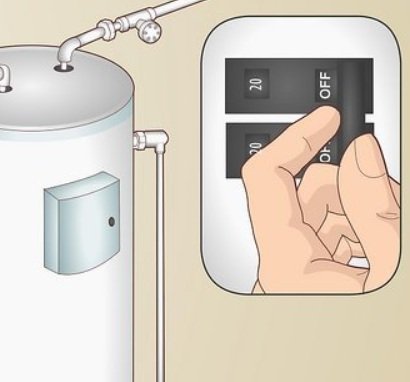
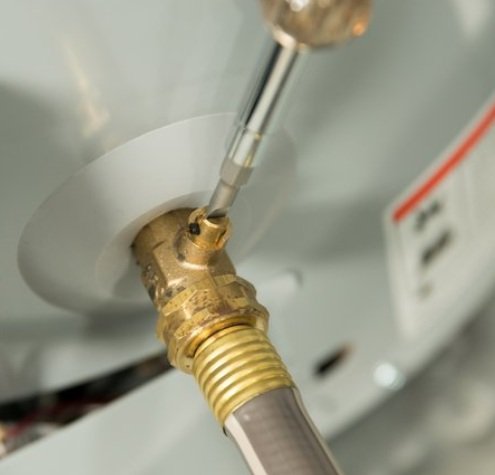
One of the simplest methods involves flushing the drain valve with water. Before starting this process, ensure the water heater is turned off and cool to avoid burns. First, attach a hose to the drain valve and direct the other end into a bucket or outside. Open the drain valve and allow water to flow through the hose, which will help dislodge any loose debris. This simple flush can often clear minor blockages with ease.
If you encounter stubborn clogs, a combination of vinegar and baking soda can serve as a more powerful cleaning solution. Start by pouring a cup of baking soda into the drain valve, followed by a cup of vinegar. The chemical reaction will create bubbles that help lift sediment and mineral deposits. Allow the mixture to sit for about 30 minutes before flushing with hot water.
Safety precautions should always be a priority during the cleaning process. Wear protective gloves and goggles to shield yourself from any splashes caused by the cleaning agents or hot water. Additionally, utilize appropriate tools like a bucket and wrench for a hassle-free experience.
If these methods do not yield satisfactory results or if your maintenance needs are complex, consulting a professional plumber might be best. They can offer specialized cleaning techniques and comprehensive maintenance to ensure your water heater remains in peak condition.
Maintenance Tips to Keep Your Drain Valves in Top Condition
Maintaining the drain valves of your water heater is essential for ensuring optimal performance and longevity. Regular inspections play a crucial role in preventing issues that can arise due to debris accumulation or mechanical failure. It is recommended to conduct these inspections at least once every six months. During these checks, ensure that the valve is not clogged and is operating smoothly. If any signs of leakage appear around the valve, it may indicate that the valve needs to be replaced.
Proper usage techniques are equally important in maintaining the drain valves. When draining the tank for sediment removal, it is advisable to open the pressure relief valve as well. This practice facilitates smoother flow and reduces strain on the drain valve. Make certain that all safety precautions are followed during this process to avoid potential hazards, such as burns from hot water.
Implementing a routine maintenance schedule is vital for extending the operational lifespan of your water heater. Schedule an annual flushing of the tank to remove sediment buildup, which can adversely affect the system’s efficiency. Additionally, consider checking the anode rod during this process; replacing a corroded anode rod can help prolong the life of your water heater. Furthermore, inspecting the valve and surrounding connections for signs of wear will help identify any necessary repairs before they become more significant problems.
Lastly, keeping a written record of maintenance activities can help track when inspections and repairs were last performed. This documentation not only assists in maintaining compliance with warranties but also ensures that you remain proactive in taking care of your water heater’s components, including its drain valves. By adhering to these maintenance tips, you will enhance the reliability and functionality of your water heater system.