Is Reverse Osmosis Water Safe for Drinking?
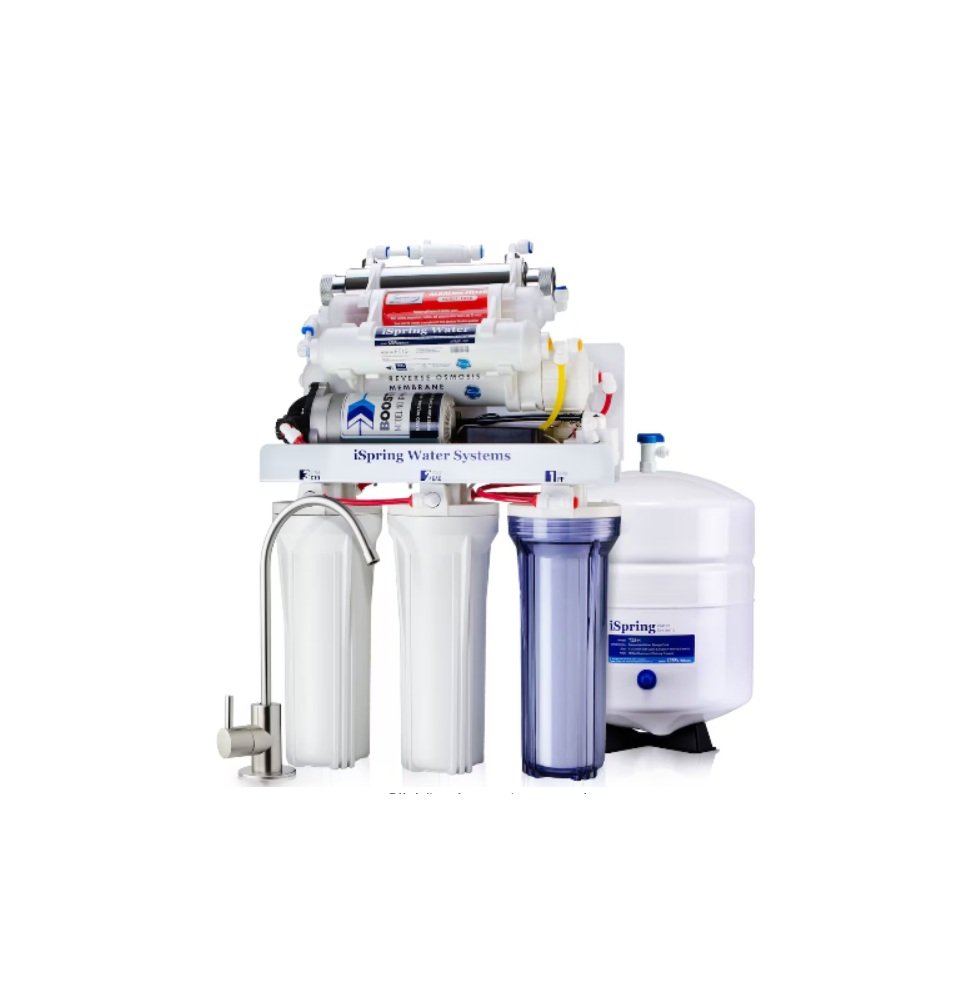
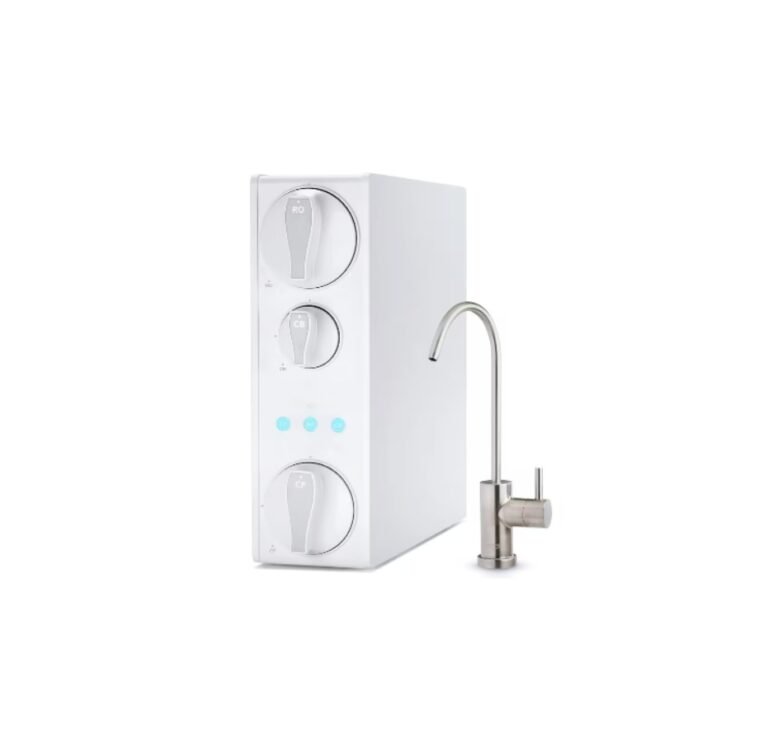
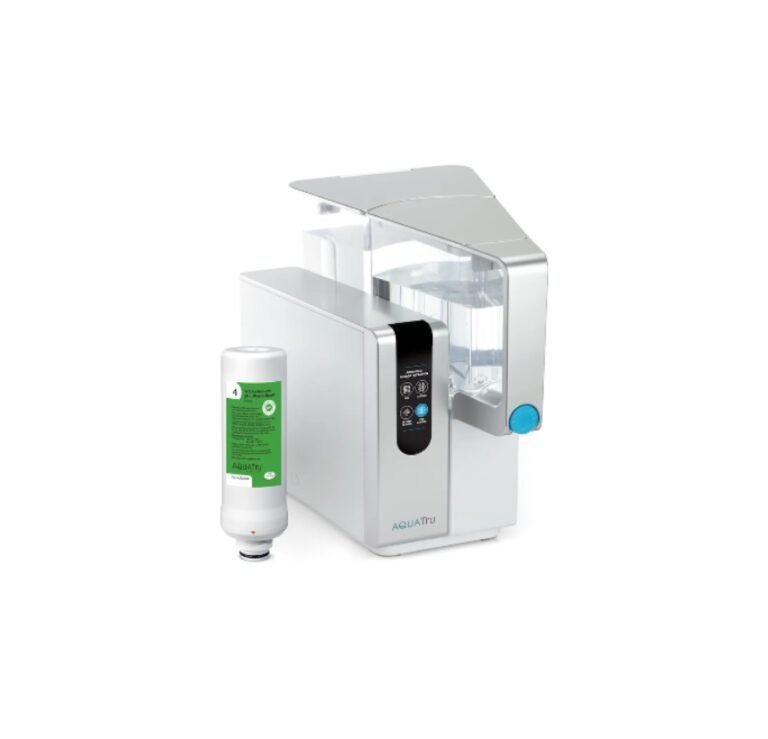
Reverse osmosis (RO) is a water purification process that employs a semi-permeable membrane to separate contaminants from water. The fundamental principle behind reverse osmosis lies in osmosis, wherein solvent molecules naturally move through a membrane from an area of lower solute concentration to an area of higher solute concentration. However, in the reverse osmosis process, this natural flow is reversed by applying pressure, effectively pushing the water through the membrane in the opposite direction.
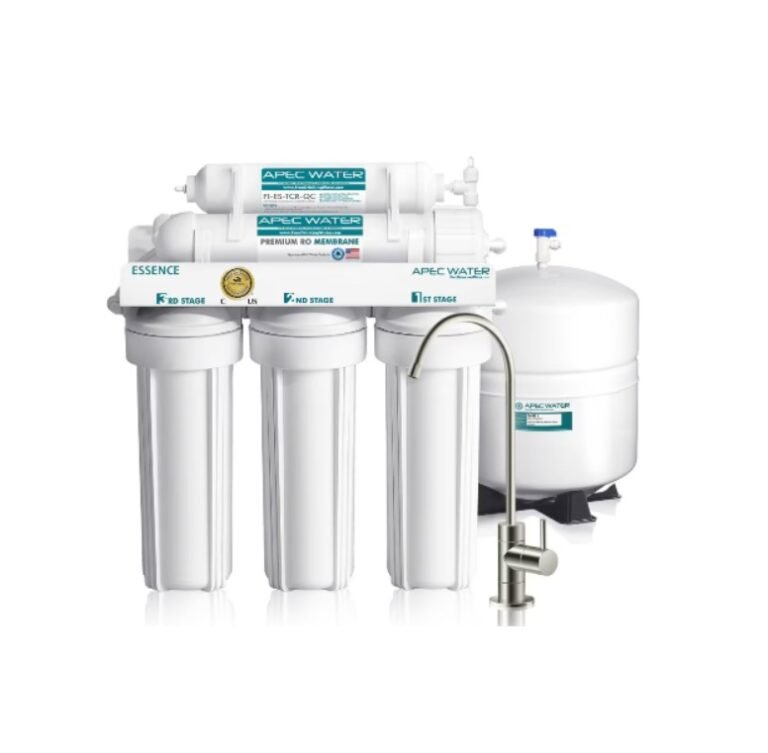
The reverse osmosis system typically comprises several stages of filtration that work synergistically to ensure high levels of water purity. Initially, water passes through a pre-filtration stage, which serves to remove larger sediments, chlorine, and other impurities that can damage the RO membrane. This pre-treatment is crucial as it enhances the efficiency and longevity of the reverse osmosis system.
Following pre-filtration, the water enters the heart of the RO system, where the semi-permeable membrane performs the critical function of contaminant removal. The membrane allows only water molecules to pass through while rejecting a wide range of impurities, including bacteria, viruses, heavy metals, and other harmful substances. The effectiveness of the RO process varies based on membrane quality and the specific contaminants present in the water.
Post-filtration usually follows, which may involve additional carbon filters or UV purification technology to further ensure the water’s safety and taste. This final step not only eliminates any residual contaminants but also enhances the aesthetic qualities of the water, such as its odor and flavor. Through these well-coordinated stages of filtration, reverse osmosis installations can provide safe, clean drinking water, effectively addressing many concerns associated with water quality.
Benefits of Using Reverse Osmosis Water
Reverse osmosis (RO) water offers a multitude of benefits that make it an increasingly popular choice for drinking water. One of the primary advantages is the enhanced taste and odor of the water, which results from the removal of impurities and contaminants. This can significantly improve the overall drinking experience, encouraging individuals to hydrate more effectively. The process of reverse osmosis effectively filters out elements that may contribute to unpleasant flavors, such as chlorine and sediment.
Further, reverse osmosis systems are known for their capacity to remove a wide range of specific contaminants, including lead, arsenic, and nitrates. These substances can pose serious health risks if ingested over time. By utilizing reverse osmosis for drinking water, consumers can enjoy cleaner water that is free from harmful toxins, thereby supporting better health outcomes. Access to such purified water can be particularly beneficial for vulnerable populations, including children, the elderly, and individuals with weakened immune systems.
Beyond health benefits, there are significant environmental advantages associated with the use of reverse osmosis water. The increased reliance on home filtration systems directly correlates with a reduced need for single-use plastic bottles, which contribute to environmental pollution. By opting for RO water, households actively participate in minimizing plastic waste and its detrimental impact on ecosystems. Not only does this promote a cleaner planet, but it also encourages a lifestyle that prioritizes sustainability and environmental stewardship.
Overall, drinking reverse osmosis water provides both health benefits and environmental advantages, making it a responsible and beneficial choice for consumers who seek quality and sustainability in their hydration choices.
Potential Drawbacks of Reverse Osmosis Systems
While reverse osmosis (RO) systems offer effective filtration, there are several drawbacks associated with their use that warrant consideration. One primary concern is the removal of naturally occurring minerals from water. RO systems are designed to eliminate a wide range of contaminants, including dissolved salts and minerals. Unfortunately, this process can also strip beneficial minerals like calcium and magnesium, which are not only essential for human health but also contribute to the taste and quality of the water. As a result, some individuals may perceive RO water as “dead water,” a term suggesting it lacks the vibrancy and nutrient value of mineral-rich water.
Another significant issue is the potential for water wastage. Reverse osmosis systems can use a considerable amount of water during the filtering process, often discarding three gallons for every gallon of purified water produced. This can lead to inefficiencies, especially in areas where water is scarce or subject to regulations regarding its use. Thus, while RO systems can provide clean drinking water, the environmental impact of wasted water cannot be overlooked.
Maintenance is also a crucial aspect of owning a reverse osmosis system. Regularly changing membranes and filters is essential for optimal performance, which can be a burden for some users. Failure to maintain these components can lead to reduced water quality and may compromise the entire filtration system. To counter common misconceptions, it is vital to recognize that while RO water may lack certain minerals, many companies now offer re-mineralization options to enhance the taste and restore some mineral content. Understanding any potential drawbacks associated with RO water portability can help individuals make informed decisions about their drinking water.
Conclusion: Is RO Water Safe for Drinking?
After thorough examination of the processes and implications surrounding reverse osmosis (RO) water, it is evident that while RO water presents certain advantages, it also has various drawbacks that must be taken into account. One of the primary benefits of drinking RO water is its ability to significantly reduce contaminants, including heavy metals, chemicals, and pathogens, thereby contributing to improved public health safety. This purification process is particularly beneficial in regions where water supply may be compromised by pollutants.
However, the filtration method may also remove essential minerals such as calcium and magnesium, which are vital for sustained health. The lack of these minerals could result in mineral deficiencies if RO water is the sole source of hydration. Therefore, it is advisable for individuals to consider supplementing their diet with these minerals or sourcing water that has been remineralized.
When selecting a reliable RO system, it is important to research various products and brands to ensure effective filtration. Look for systems that have been certified by reputable organizations to guarantee that they meet safety standards. Periodic maintenance and filter replacement are crucial in sustaining water quality; thus, adhering to the manufacturer’s guidelines can help maintain the effectiveness of an RO system.
To summarize, while reverse osmosis water can be a safe option for drinking, careful consideration of its benefits and limitations is necessary. By ensuring that proper systems are in place and monitoring water quality, consumers can enjoy the advantages of RO water without compromising their health.