Insulating Water Heater Hot Water Pipes: A Guide to Reducing Heat Loss
Heat loss refers to the transfer of thermal energy from a hotter region to a cooler one, which happens continuously unless measures are taken to mitigate this phenomenon. In the context of hot water pipes, heat loss occurs when the temperature of the water within the pipes is higher than the surrounding environment. This temperature difference drives heat away from the hot water, resulting in wasted energy and increased costs. The physics behind this process is rooted in the principles of conduction, convection, and radiation, which collectively contribute to the thermal dynamics of fluid transport.
Uninsulated hot water pipes can significantly affect the efficiency of your water heating system. When pipes are not insulated, the heat dissipates into the surrounding air or into unheated spaces, leading to a noticeable delay in hot water delivery at the taps and an increase in energy consumption. As the water cools down, your water heater must work harder to maintain the desired temperature, therefore contributing to higher energy bills over time. This inefficiency not only burdens your wallet but also diminishes the overall performance of your hot water system.
Heat loss is particularly common in scenarios where hot water pipes run through unheated areas, such as basements, attics, or crawl spaces. Additionally, long runs of piping or those exposed to cold air can exacerbate the issue, leading to even greater thermal loss. Insulating your hot water pipes is a proactive step toward reducing these energy losses. Pipe insulation acts as a barrier, minimizing the amount of heat that escapes and ultimately maintaining the temperature of the water as it travels to your fixtures. By implementing proper insulation, homeowners can not only achieve significant energy savings but also benefit from faster access to hot water when needed.
Benefits of Insulating Hot Water Pipes
Insulating hot water pipes offers numerous advantages that can significantly enhance energy efficiency in residential settings. One of the primary benefits is the reduction of heat loss as hot water travels from the heater to the taps. Without insulation, water can lose a considerable amount of heat, resulting in wasted energy and higher utility bills. Proper insulation helps retain heat, allowing water to remain hot longer while in transit.
This increased efficiency corresponds directly to cost savings. According to studies by the U.S. Department of Energy, insulating hot water pipes can reduce energy expenses associated with heating water, potentially resulting in savings of 4% to 9% on utility bills. These savings accumulate over time, making pipe insulation a smart initial investment with a reasonable payback period.
Moreover, the comfort level within a home is notably improved with insulated pipes. Homeowners experience a accelerated access to hot water; thus, they spend less time waiting for water to reach the desired temperature. This quick delivery can be particularly beneficial in households where multiple faucets or showers are used simultaneously, enhancing the overall user experience. The reduction in waiting times also promotes more efficient use of water, contributing to water conservation efforts.
Finally, insulating hot water pipes can prolong the lifespan of the entire water heating system. By minimizing temperature fluctuations and safeguarding against corrosion, insulation contributes to the durability of pipes and equipment. Studies indicate that proper insulation can lead to fewer repairs and a longer operational lifespan for water heaters, providing additional cost effectiveness.
Overall, the advantages of insulating hot water pipes extend beyond immediate comfort and energy savings, highlighting a holistic approach to sustainable and efficient home management.
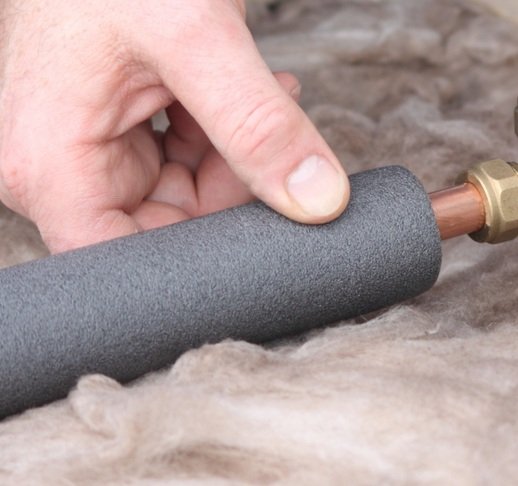
How to Insulate Hot Water Pipes: Step-by-Step Guide
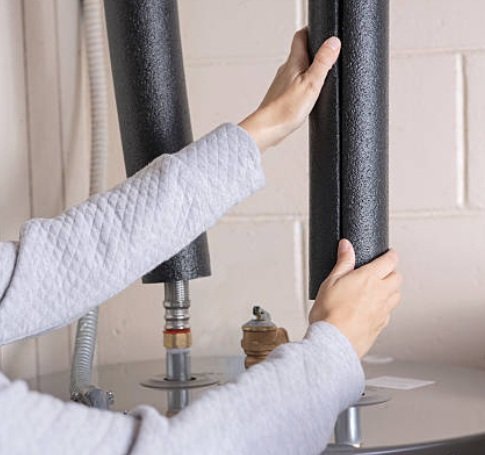
Insulating hot water pipes is a straightforward task that can significantly reduce heat loss and improve energy efficiency. To begin, gather the necessary materials and tools. You will need foam pipe insulation, adhesive tape, a utility knife, a measuring tape, and possibly a ladder if the pipes are elevated. Additionally, wear safety goggles and gloves to protect yourself during the process.
Start by measuring the diameter of the pipes you intend to insulate. This will help you choose the correct size of foam insulation. The insulation comes in varying diameters, so select one that fits snugly around your pipes. Use the measuring tape to determine the length of the pipes that require insulation, and ensure to cut the foam insulation to the appropriate lengths using the utility knife.
Once you have cut the insulation, it is time to install it. Begin by sliding the foam insulation over the pipe. For straight sections, simply push the insulation over the pipe until it is fully covered. In cases where you encounter joints or elbows, you may need to cut the insulation at these points to allow for a proper fit. Use adhesive tape to secure the ends of the insulation to ensure it remains in place.
Be especially careful when insulating hot water pipes, as the heat can make some materials more pliable or less effective. If you are working with PVC or other non-metallic pipes, ensure that the insulation material is suitable for high temperatures. Make sure the insulation is fitted tightly around the pipes to minimize air gaps, which can lead to heat loss.
Lastly, consider utilizing visual aids or diagrams to assist in the installation process. These can provide guidance on the correct methods for cutting and fitting the insulation, making the entire procedure easier. Insulating your hot water pipes will lead to increased energy savings and a more efficient home overall.
Maintaining Insulation and Tips for Long-Term Efficiency
Effective insulation of hot water pipes is vital for energy conservation and enhancing system efficiency. To maintain the insulation, it is crucial to conduct regular inspections, ideally every few months. This process involves visually checking the insulated pipes for any visible signs of wear and tear, such as cracks, tears, or loose segments. Inspecting for moisture accumulation is also important, as excessive dampness can indicate insulation damage or inefficiency.
When inspecting your hot water pipes, take note of any areas where the insulation may have deteriorated or where gaps exist between the pipes and their insulation cover. If you find any damaged insulation, it is advisable to replace it promptly to prevent significant heat loss. Over time, even the best insulation can show signs of age, requiring you to either repair or re-insulate sections of the pipes.
In addition to visual inspections, maintaining the overall energy efficiency of your hot water system involves several best practices. One effective way to enhance energy conservation is to check the temperature setting of your water heater. It is recommended to set the thermostat to 120°F (49°C) for optimal heating and energy usage. High temperatures can not only waste energy but also increase the risk of scalding.
Furthermore, regularly assess the condition of your hot water system by conducting routine checks. This includes examining the water heater’s pressure relief valve and ensuring that the unit itself is free from corrosion. By adopting these practices, you can enhance the longevity and efficiency of your hot water piping system, ensuring that it operates at its peak performance while minimizing energy costs.