Installing a Tankless Water Heater Yourself: Tips for Success
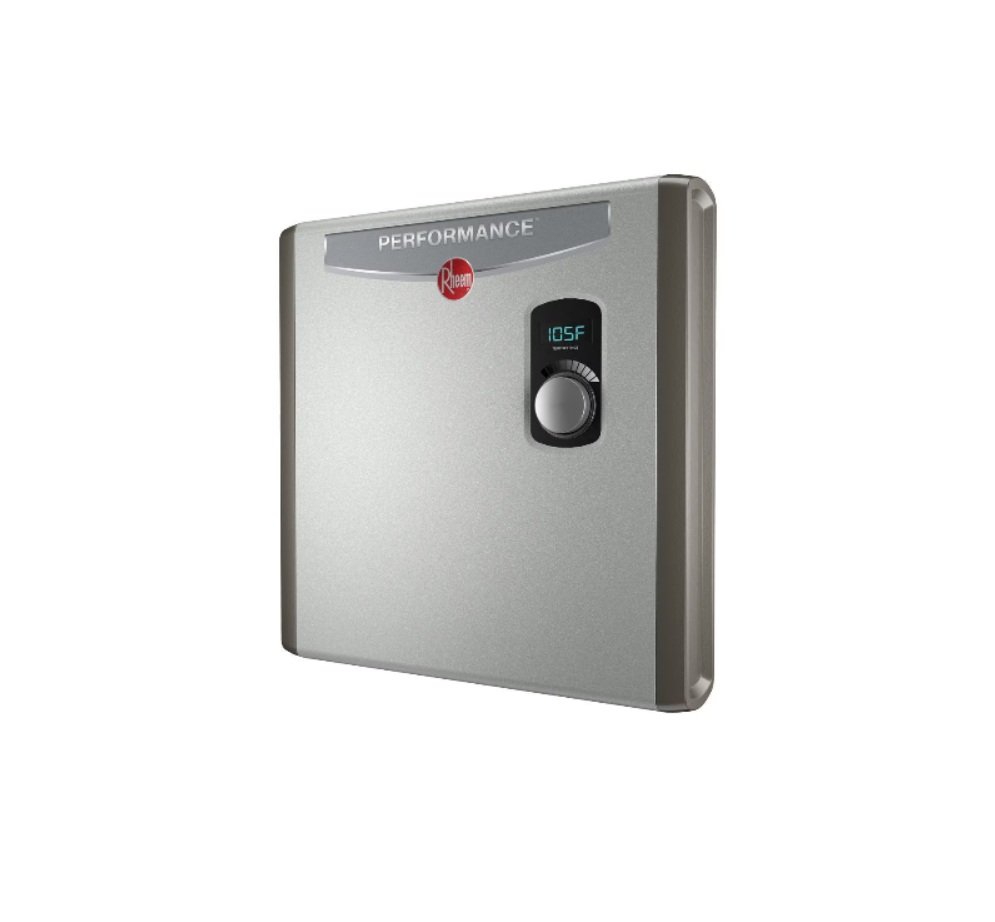
Tankless water heaters, often referred to as on-demand water heaters, offer a modern solution for fulfilling hot water needs without the inefficiencies of traditional storage tank heaters. Unlike conventional systems that store a limited amount of hot water, tankless models heat water directly as it flows through the unit. This mechanism uses either gas or electric heating elements to provide a continuous supply of hot water, making them a popular choice among homeowners.
One of the primary advantages of tankless water heaters is their energy efficiency. Traditional water heaters continuously maintain a reservoir of hot water, which results in standby heat loss. In contrast, tankless systems only operate when there is a demand for hot water, leading to significant energy savings over time. Studies suggest that homeowners can reduce their water heating costs by up to 30% by switching to a tankless model. The elimination of standby heat loss is a crucial factor, as it directly contributes to lower energy bills.
In addition to their efficiency, tankless water heaters are known for their compact design. They take up considerably less space than traditional tanks, which can be an asset in homes with limited utility space. Due to their smaller size, they can be installed in a variety of locations, such as under sinks or in tight closets. These units also have longer lifespans, with most lasting up to 20 years, compared to 10-15 years for standard water heaters.
Another significant benefit is their ability to provide a never-ending supply of hot water. Homeowners no longer need to worry about running out of hot water during peak usage times, making tankless water heaters ideal for larger families or homes with multiple bathrooms. Overall, understanding the functionality and advantages of tankless water heaters lays a solid foundation for anyone considering this upgrade in their home.
Preparing for Installation
Before embarking on the installation of a tankless water heater, it is crucial to gather the necessary tools and materials. Essential tools include a screwdriver set, adjustable wrenches, pipe cutters, and pliers. Additionally, having a voltage tester, a drill, and electrical wire can facilitate the setup process. The materials required typically consist of copper or PEX piping, fittings, a tankless water heater unit, and power cable. Familiarizing yourself with these tools and materials will help streamline the installation.
Next, it’s important to assess your home’s existing plumbing and electrical systems. Tankless water heaters often require specific installations to ensure proper functionality. This includes checking water flow rates and assessing if the current electrical supply can support the new heater’s requirements. Often, a dedicated electrical circuit may be necessary, particularly for gas models that require a venting system. Evaluating these systems can preempt complications during installation.
Choosing the right size tankless water heater is paramount. To ascertain the appropriate unit, consider your household’s peak hot water demand, typically measured in gallons per minute (GPM). Look for specifications provided by the manufacturer to assist in determining the right heater capacity, as an undersized unit may lead to inadequate water heating, while an oversized unit could result in unnecessary energy consumption.
Lastly, obtaining the necessary permits is a vital aspect of the preparation phase. Many local building codes stipulate permits for installing plumbing and electrical systems. Engaging with the local building authority can facilitate compliance and prevent potential future issues. Overall, being adequately prepared before the installation of a tankless water heater significantly enhances the likelihood of a successful project.
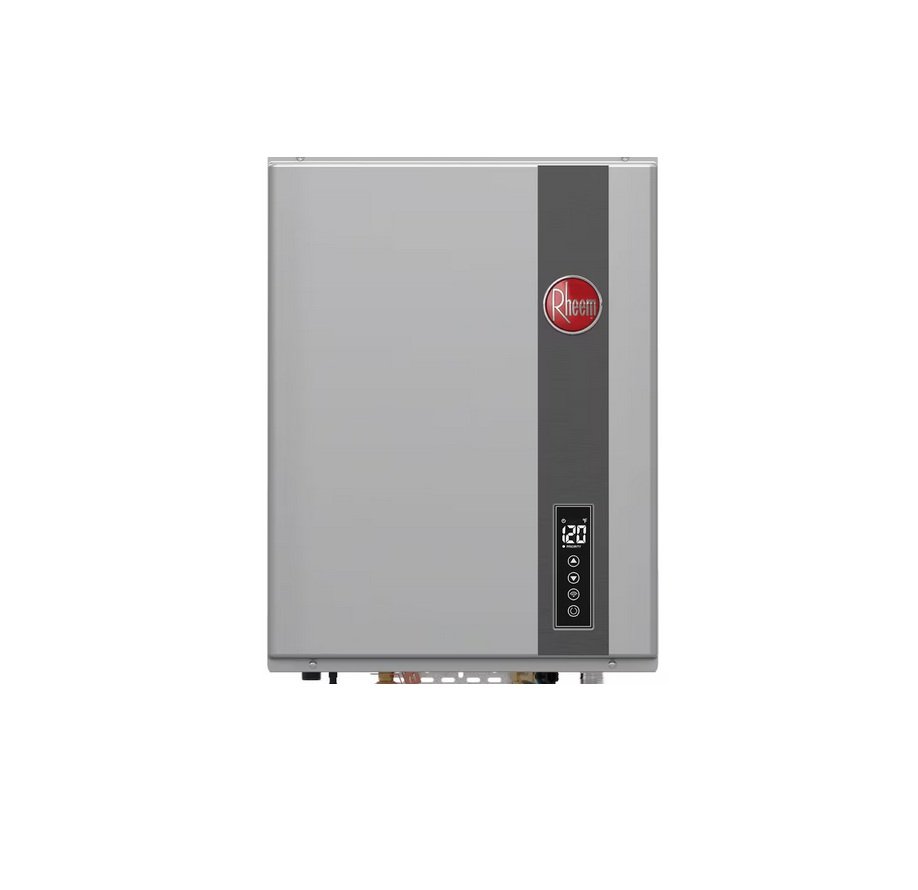
Step-by-Step Installation Guide
Installing a tankless water heater can be a rewarding project, but it requires careful planning and adherence to safety procedures. Before beginning the installation, ensure that you have the necessary tools, including pipe wrenches, screwdrivers, and a circuit tester. Follow this detailed guide to ensure a successful installation.
First, turn off the power supply to the existing water heater and shut off the water supply. These initial steps are critical to prevent electrical shock and flooding. After ensuring the power and water are off, proceed to remove the old unit if applicable. This typically involves unscrewing the connections and detaching the cold and hot water lines. Be prepared for any residual water to spill out during this process.
Next, evaluate your plumbing configuration. Tankless water heaters may require specific plumbing connections not found in conventional tanks. Install the cold water inlet and hot water outlet pipes, ensuring to use suitable fittings and sealants to avoid leaks. It is advisable to consult the manufacturer’s manual for plumbing specifics pertaining to your selected model.
Venting requirements are another crucial aspect. Most tankless water heaters require venting to expel combustion gases. Ensure that the vent pipe is installed according to local building codes and manufacturer’s guidance. Installation typically involves fitting the vent pipe to the appliance and sealing it securely.
Once the plumbing and venting are complete, secure the new tankless unit in place. Reconnect the power supply and water lines, ensuring that all connections are tight. Before fully activating the heater, check for leaks and inspect all connections. A thorough testing process will help identify any potential issues before you rely on your new system.
Throughout this installation, prioritize safety by wearing protective gear and following all local regulations. Avoid common pitfalls, such as over-tightening connections or miscalculating vent lengths, which can lead to operational inefficiencies. By adhering to these guidelines, you will enhance the chances of a successful tankless water heater installation.
Post-Installation Considerations and Maintenance
Once the tankless water heater is installed, ensuring its efficient operation involves several critical steps. First and foremost, it is vital to perform a test run to confirm that the unit heats water effectively. Turn on a hot water tap and observe whether the flow is consistent and the temperature meets your expectations. If the water does not heat up adequately, it may indicate an installation issue or a need for adjustment.
Maintenance plays a significant role in the performance and longevity of your tankless water heater. For optimal performance, it is recommended to clean the filter regularly to prevent sediment buildup, which can impede water flow and efficiency. Additionally, consider descaling the unit at least once a year, especially in areas with hard water. Descaling eliminates limescale and mineral deposits, ensuring the heater operates smoothly.
Furthermore, scheduling routine maintenance checks with a qualified technician allows for early detection of potential issues and helps maintain the warranty coverage. During these check-ups, professionals can inspect the burner, venting, and other critical components of the system. This proactive approach minimizes the risk of unexpected breakdowns.
Even with proper maintenance, issues may arise. Familiarity with common problems, such as insufficient hot water supply or error codes on the unit’s display, enables quicker troubleshooting. For example, if the heater struggles to provide hot water, it may require adjustments to the flow rate or a check for any blockages in the system. It is also essential to consult the user manual for specific troubleshooting techniques and error code meanings.
In summary, post-installation considerations for a tankless water heater comprise testing functionality, implementing maintenance strategies, and being vigilant about common issues. By adhering to these guidelines, homeowners can enjoy efficient and reliable hot water heating for years to come.