Identifying Scorch Marks Near Wiring on Your Water Heater: A Guide to Safety and Prevention
Inspecting your water heater is a fundamental aspect of home maintenance that should never be overlooked. This crucial appliance plays a significant role in providing hot water for everyday use, making it vital to ensure its safe and efficient operation. Regular inspections help identify potential risks and issues before they escalate into more severe problems, such as fire hazards or complete system failure.
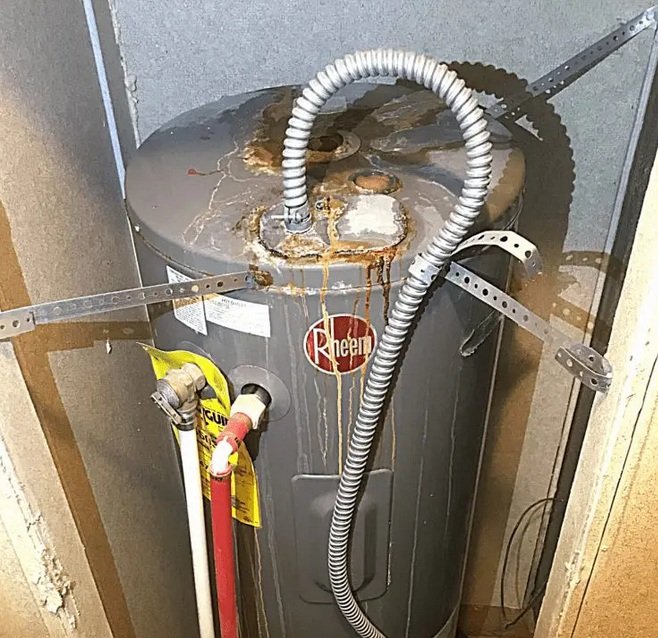
The presence of scorch marks near the wiring of your water heater is often a clear indication of underlying electrical issues. These marks represent overheating, which can be caused by damaged insulation, loose connections, or compromised electrical components. Such conditions not only threaten the safety of your home but can also lead to significant repair costs if not addressed promptly. Therefore, being vigilant about these signs can greatly reduce the risk of fire or water damage.
Moreover, water heaters require consistent maintenance practices to ensure their longevity. Routine inspections can help in spotting signs of wear and tear, corrosion, or leaks that might contribute to larger issues down the line. By identifying these problems early, homeowners can take preventative measures that extend the lifespan of the appliance while also maintaining the efficiency of the heating system.
In summary, regular examination of your water heater is essential not only for safety reasons but also for the overall functionality of your home. Neglecting this important appliance can lead to dire consequences, and understanding how to detect problems, such as scorch marks near the wiring, is critical. Proactive maintenance and timely inspections are key strategies to safeguard your home and ensure the reliable operation of your water heater.
What Are Scorch Marks and What Do They Indicate?
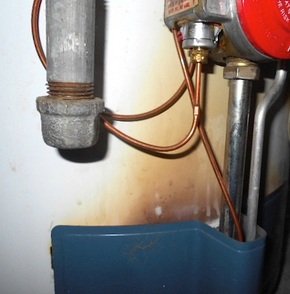
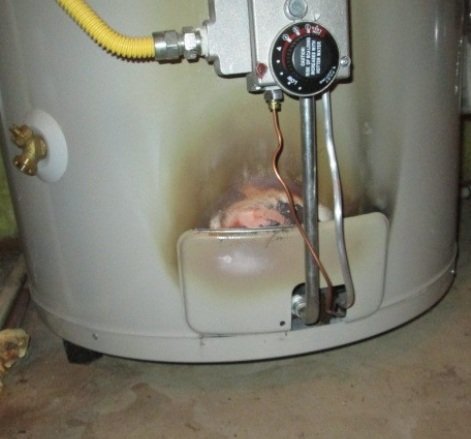
Scorch marks are discolorations that appear on the surface of materials, particularly wiring, and components of appliances such as water heaters. These marks generally manifest as a brown, black, or even charred appearance, indicating that materials have been subjected to excessive heat. When it comes to water heaters, scorch marks on or near the wiring can be a significant warning sign of underlying issues that require immediate attention.
There are several potential causes for the appearance of scorch marks. One common reason is overheating, which can occur if a water heater’s elements are malfunctioning or if there is inadequate ventilation. Overheating may not only damage the wiring insulation but increases the risk of fire hazards. Another possibility stems from poor wiring connections, where loose or corroded connections can generate heat, leading to scorching as electrical current struggles to flow through a compromised junction.
Electrical shorts are yet another cause for concern and can result in serious damage. When wires make unintentional contact, a short can occur, causing a surge of current that generates significant heat. Such events not only lead to scorch marks but can also create a fire risk, emphasizing the importance of addressing these issues as soon as they are identified.
During routine inspections of your water heater, it is crucial to thoroughly examine the wiring for any signs of scorch marks. Look for irregular discoloration or degradation of the insulation surrounding the wires. Differentiating between harmless discoloration and serious issues is vital, as the latter may pose a significant safety risk. By understanding the implications of scorch marks and the conditions that lead to their formation, you can take proactive measures to ensure the safety and longevity of your water heater.
Steps to Inspect for Scorch Marks and Electrical Issues
Inspecting your water heater for scorch marks and electrical problems is a critical step in maintaining its functionality and safety. Before conducting an inspection, it is crucial to adhere to specific safety precautions to ensure both personal and property safety. Begin by turning off the power supply to the water heater; for electric models, this typically means switching off the circuit breaker. It is wise to verify the power is off with a voltage tester, as this helps avoid electric shocks during the inspection process.
Gather essential tools for the inspection. You will need a flashlight to illuminate the wiring connections, a multimeter to check for electrical continuity, and a soft cloth for cleaning purposes. Keep safety goggles and gloves on hand to protect against unforeseen accidents. Once you are adequately prepared, the next step is to visually inspect the water heater’s exterior and its wiring components.
Look carefully for any scorch marks, which may appear as darkened areas or burn-like spots near the wiring. These marks can indicate overheating and may signal faulty wiring or connections. Additionally, inspect for any signs of damage such as frayed wires or melted insulation. Next, examine the terminals and connections for proper tightness—loose connections can lead to arcing, which may also cause scorch marks.
If you have a multimeter, use it to check the resistance in the wiring; excessively low readings could suggest a short circuit. Once you have completed your inspection, if you discover any significant issues or suspect potential hazards, it is advisable to consult with a certified electrician. They possess the knowledge and expertise to handle complex electrical issues safely. Through proper inspection techniques and vigilance, homeowners can maintain their water heaters efficiently and effectively.
While scorch marks on your water heater may initially seem like a minor issue, they can signal deeper electrical problems that require immediate attention. It is essential to recognize the signs that indicate it is time to call a professional. One of the clearest indicators of electrical issues is the presence of unusual noises emanating from the unit. Sounds such as popping, buzzing, or crackling can suggest that there is an electrical fault or that components are failing. These noises should not be overlooked, as they might point to a serious malfunction that could pose a safety hazard.
Additionally, if you notice that the circuit breakers associated with your water heater are tripping frequently, this is a strong indication of electrical problems. Continuous tripping often signals an overload or short circuit in the wiring, which can lead to larger issues if left unresolved. Frequent circuit interruptions are not only inconvenient but also a clear warning that the system is not operating as designed.
Another critical sign to watch for is a burning smell near your water heater. A burning odor often suggests that electrical components are overheating, possibly due to faulty wiring or malfunctioning parts. If you detect such a smell, it is imperative to turn off the power to the water heater and contact a qualified technician immediately. Ignoring this sign can lead to severe consequences, including the risk of fire.
Understanding these signs is crucial for maintaining a safe environment in your home. The longer electrical issues are ignored, the greater the risk becomes, posing potential dangers not just to the water heater but also to the entire household. Therefore, if you encounter any unusual symptoms described above, do not hesitate to seek professional assistance to evaluate the situation thoroughly.