How to Troubleshoot Your Leaky Home Faucet
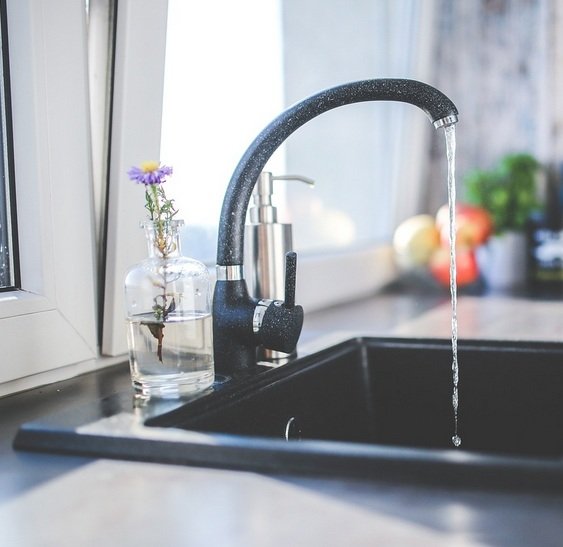
Faucet leaks can be a nuisance, causing not only water wastage but also potential damage to your home. To successfully address these leaks, it is essential to understand the common causes that lead to this issue. One of the primary contributors to faucet leaks is worn-out washers. Washers are typically made of rubber and are responsible for creating a tight seal when the faucet is turned off. Over time, these washers can wear down, leading to leaks. Regularly inspecting and replacing washers can significantly reduce the occurrence of faucet leaks.
Another frequent cause of faucet leaks is a corroded valve seat. The valve seat connects the faucet to the spout and ensures a proper seal. With regular use and exposure to water, the valve seat may corrode, resulting in leaks. Cleaning or replacing the valve seat can often remedy this issue, restoring the faucet’s functionality.
Additionally, damaged O-rings can contribute to faucet leaks. O-rings are small circular seals that help prevent water from escaping where various components of the faucet join. If these components are not properly maintained, O-rings can harden or crack, creating gaps for water to seep through. Replacing O-rings is usually a straightforward repair that can extend the life of your faucet and prevent leaks.
Lastly, improper installation is another significant factor leading to faucet leaks. If the faucet is not installed correctly, it may not seat well, leading to leaks from various junctions. Ensuring that you follow the manufacturer’s guidelines during installation or seeking professional help can minimize the risk of leaks significantly. Understanding these common causes enables homeowners to address faucet leaks effectively and maintain their fixtures properly.
Essential Tools and Materials for Faucet Repair
When addressing the issue of a leaky faucet, having the right tools and materials is crucial for an effective repair. First and foremost, a basic toolkit will be your foundation. Start with a set of screwdrivers, which typically includes both flathead and Phillips head varieties. These will allow you to remove the faucet handle and other components easily.
Another essential tool is an adjustable wrench, which is key for loosening and tightening nuts and fittings that hold the faucet in place. Pliers can also be valuable for gripping and turning parts that are difficult to reach or require extra leverage. Overall, these basic tools form the backbone of your faucet repair toolkit.
In addition to the tools, it is equally important to have the appropriate replacement parts on hand. One of the most common culprits of a leaky faucet is worn-out washers. These small rubber or silicone discs create a watertight seal when the faucet is closed. Replacing them is often a straightforward solution to stop the drip.
O-rings are another frequent source of leaks, particularly in compression faucets. These circular rings also serve to prevent water from escaping. When undertaking repairs on a faucet, be prepared to replace O-rings if necessary. Furthermore, if your faucet incorporates a cartridge design, having a replacement cartridge can save you time and effort since it combines multiple components and seals into one unit.
In summary, gathering the right tools and replacement parts ahead of time will make your repair process much smoother. By preparing your toolkit with screwdrivers, wrenches, pliers, washers, O-rings, and cartridges, you will be well-equipped to tackle your leaky faucet efficiently.
Step-by-Step Guide to Troubleshooting Your Leaky Faucet
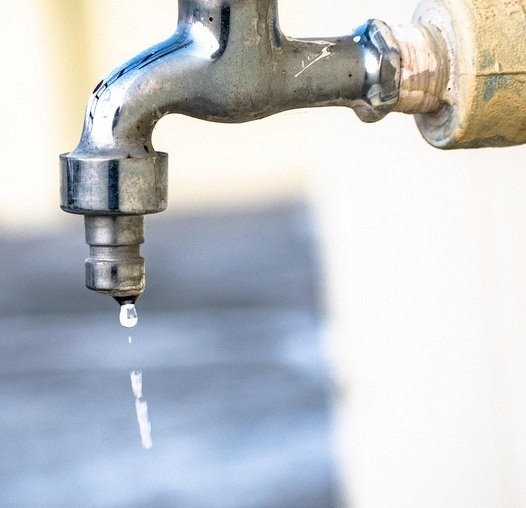
Addressing a leaky home faucet can be achieved through a structured approach, ensuring an efficient and effective resolution. The first step is to turn off the water supply. Locate the shut-off valves under the sink or turn off the main water supply to your home. This crucial step prevents water from flowing while you work, allowing for a safer and cleaner environment.
Next, disassemble the faucet. Depending on the type of faucet—whether compression, cartridge, ball, or ceramic disc—you will need the appropriate tools, such as a screwdriver or wrench. Remove any decorative caps to expose the screws and carefully take apart the handle and body of the faucet. Remember to place all components in a safe location to avoid losing them.
Once disassembled, inspect the components for any signs of wear or damage. Look specifically for washers, O-rings, or seals that may be degraded. Such components are often the cause of leaks in faucets. If any parts appear worn out, they must be replaced to restore functionality and seal integrity. You can find these replacements at most hardware stores or online; ensure you have the correct size and type before purchasing.
After replacing any faulty parts, it’s time to reassemble the faucet. Carefully put back all components in the reverse order of disassembly, ensuring everything is securely tightened, but avoid over-tightening which can create additional issues. Finally, turn the water supply back on and check for leaks to confirm the successful repair.
When to Call a Professional Plumber
While it can be tempting to tackle every plumbing problem yourself, there are specific instances where engaging a professional plumber is advisable. One critical factor to consider is the extent of the damage. If you notice persistent leaks or water damage beneath your sink or in walls, this may indicate a more severe issue that is beyond simple repairs. In such cases, a licensed plumber can provide a comprehensive evaluation and ensure that the root cause of the leak is effectively addressed.
Your level of DIY skill is another significant consideration. Not everyone has the same proficiency in home repairs, and attempting to fix complex plumbing issues without proper knowledge can exacerbate the problem. If you find yourself struggling to identify the source of a leak or if the repair involves complicated components like cartridges or valves, it may be prudent to call in an expert. Professional plumbers have the training and experience necessary to tackle these challenges efficiently.
Lastly, safety concerns should never be overlooked. If the leak involves gas lines or if you suspect mold due to long-term water exposure, these situations can pose serious health risks. Moreover, improper handling of plumbing fixtures can lead to hazardous situations, including electrical issues. In such instances, contacting a professional not only ensures that the job is done right but also safeguards the health and safety of your household.
In conclusion, while many faucet repairs can be handled as DIY projects, recognizing the limits of your skills, the severity of the damage, and potential safety hazards is essential. When in doubt, seeking professional assistance can save time, money, and prevent further complications from arising.