How to Refill the Salt in Your Water Softener
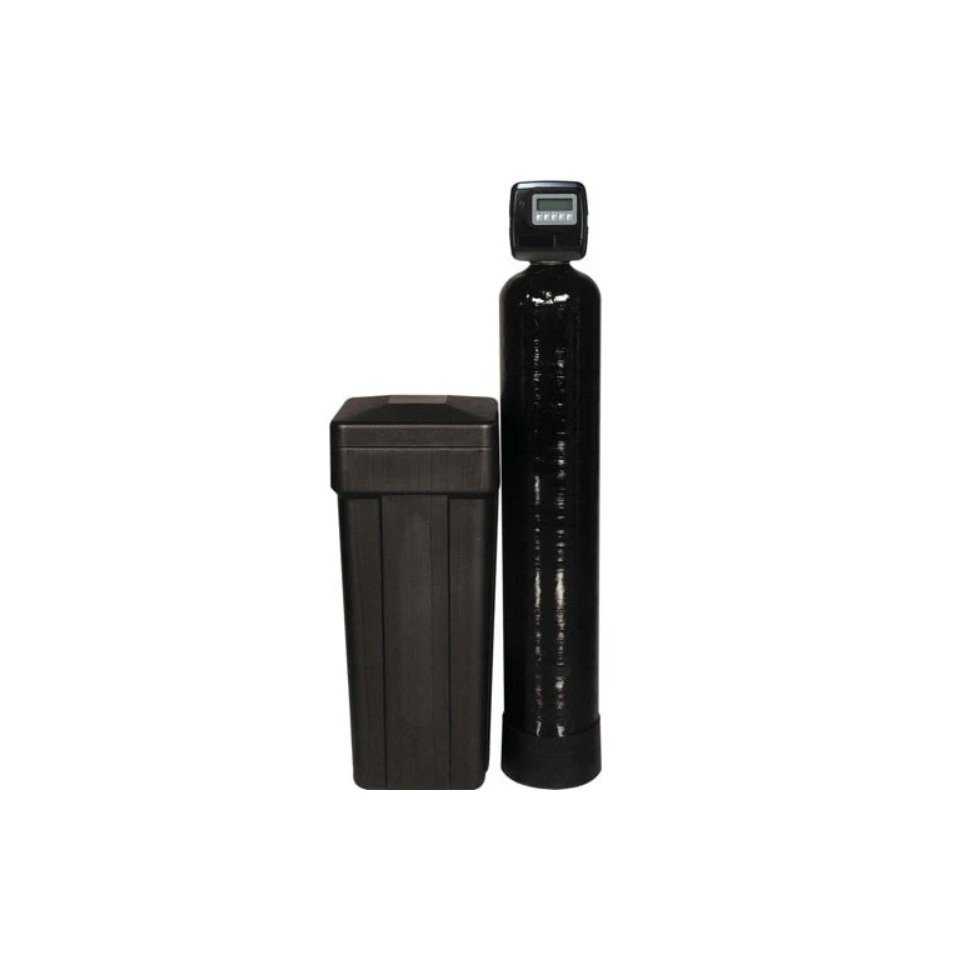
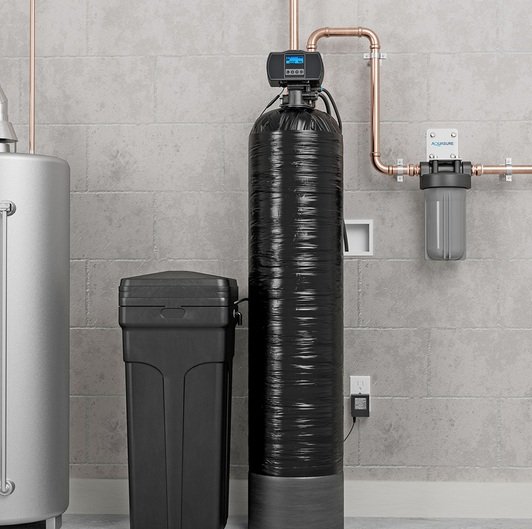
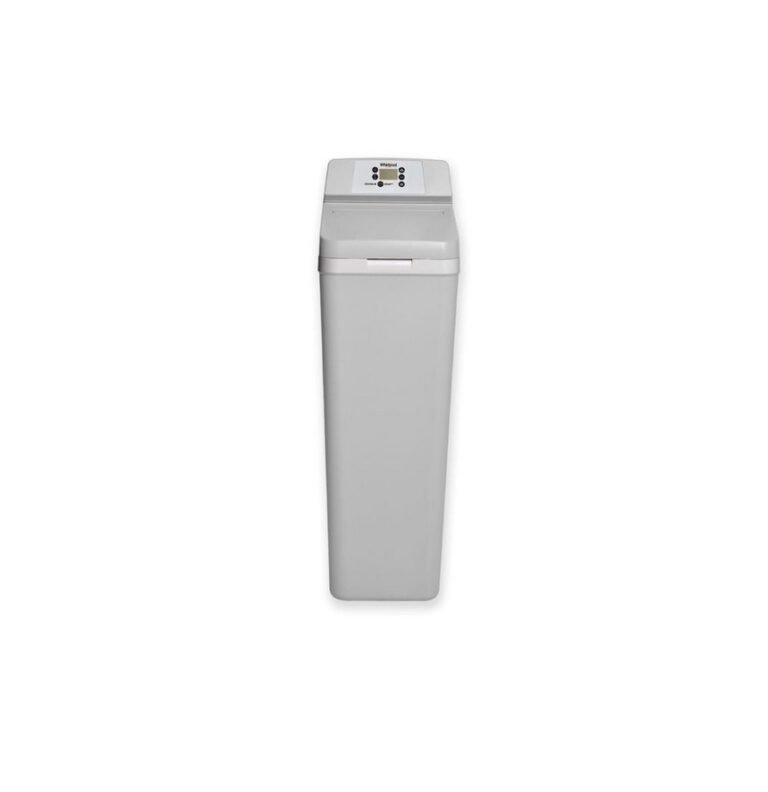
Water softeners are essential devices designed to combat the effects of hard water, which contains high levels of dissolved minerals, primarily calcium and magnesium. The primary function of a water softener is to replace these hardness ions with sodium or potassium ions through a process known as ion exchange. This method alters the composition of the water, significantly improving its quality for household use.
Salt plays a crucial role in this process, as it is used in the regeneration cycle of the water softening system. During regeneration, the softener flushes out the accumulated hardness ions and replaces them with sodium ions derived from the salt. The presence of adequate salt is vital; running low on it can lead to a decline in the softening process, resulting in hard water entering your home, which can damage plumbing systems, appliances, and even decrease the lifespan of water heaters.
Hard water can create various problems within a household, such as scale buildup in pipes and appliances, which can reduce efficiency and lead to costly repairs over time. Additionally, it can impact everyday living by affecting the lathering of soaps and detergents and leaving a residue on dishes and laundry. Beyond the mechanical impacts, hard water may also be associated with skin irritation and decreased effectiveness of personal care products.
When considering salt options for your water softener, there are three primary types available: rock salt, solar salt, and evaporated salt. Rock salt is the most economical, while solar salt is purified through evaporation and is widely available. Evaporated salt, on the other hand, is highly refined and typically contains minimal impurities, making it a preferable choice for those seeking optimal performance from their water softener. Understanding these options improves one’s ability to maintain the system effectively, ensuring soft water is consistently accessible.
When and How to Check the Salt Level
To maintain optimal performance of your water softener, it is crucial to regularly check the salt level. This process safeguards against potential inefficiencies in water softening and extends the longevity of the unit. Generally, it is advisable to inspect the salt levels every four to six weeks. However, the frequency may vary based on personal water usage, family size, and the water softener type.
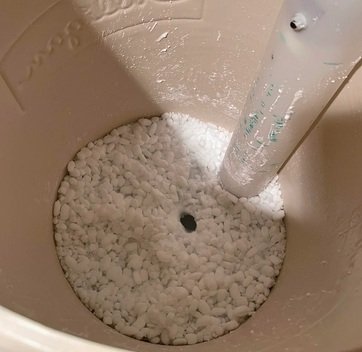
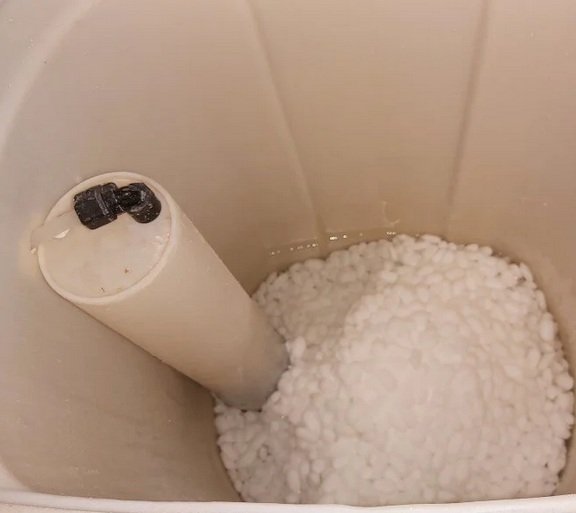
When examining the salt level, begin by removing the lid of the brine tank, which is typically located inside the water softener. It is important to perform this check safely by ensuring the power supply is turned off to minimize any risk of unintended activation. Use a long tool or a flashlight to assess the salt’s visibility. A good practice is to periodically tap the side of the brine tank to locate the salt surface without disturbing the material excessively.
Signs indicating that it is time to refill the salt include a reduction in water pressure or hardness, as well as an unusual increase in soap usage. When the salt falls below about a quarter of the tank’s height, it is essential to add salt. The variety of salt used, whether it be crystal salt, pellet salt, or blocks, does not significantly affect the softener’s performance, but it is prudent to follow the manufacturer’s recommendations to ensure compatibility with your specific model.
After replenishing the salt, it may take some time for the water softener to cycle and regenerate the softened water. It is recommended to consistently monitor the level, especially after significant water usage, to maintain optimal functioning. Regular checks will help prevent any long-term damage and enhance the efficiency of your water softening system.
Step-by-Step Guide to Refilling Salt
Refilling the salt in your water softener is a critical task, ensuring that the system continues to function effectively while maintaining the quality of your household water. The following steps provide a comprehensive guide to this process, emphasizing safety and efficiency.
First, gather the necessary materials. You will need water softener salt, which can come in various forms such as pellet, block, or crystal. It is essential to choose the type that your specific water softener model recommends to optimize performance. Other materials might include a broom or brush for cleaning, a vacuum cleaner, and a flashlight if you need to inspect the brine tank further.
Before starting, ensure your safety by wearing gloves and goggles. Salt can cause skin irritation and the chemicals might be hazardous. Therefore, always work in a well-ventilated space, especially if you’re handling bags of salt. Make sure to turn off the water softener unit before you commence the refill. Disconnecting power or shutting off the inlet valve will prevent any accidental operation while you work.
Next, open the salt container and examine the current salt level. You need to remove any remaining salt if it is crusted or has solidified. This can be done using a broom or brush to loosen the buildup. Vacuuming the tank regularly helps prevent this issue and guarantees optimal performance. Once it is clean, fill the tank with new salt until it reaches the designated fill line. Leave some space at the top to allow brine to form without overflowing.
Following these steps also involves avoiding common mistakes. Never overfill the tank as this can damage the water softener. Additionally, always ensure that the salt you use is appropriate for your unit. Regular refills based on water usage or your softener’s reminders will maintain its longevity and efficiency.
Maintenance Tips for Your Water Softener
To ensure the longevity and proper functioning of your water softener, it is essential to implement regular maintenance practices alongside refilling the salt. One of the primary tasks is to regularly clean the brine tank. This tank can accumulate sludge and minerals over time, which can affect the performance of the unit. To clean it, first, disconnect the system and remove the salt. Then, scrub the tank with a mixture of water and vinegar to eliminate any buildup, rinsing thoroughly before refilling with fresh salt.
Periodic system checks are also critical. Visual inspections should be performed to ensure there are no leaks, and all parts are securely functioning. Check the resin beads for any signs of damage or wear, as these are crucial for softening the water. It is advisable to schedule a professional maintenance service at least once a year, as they can conduct a thorough analysis of your water softener and perform necessary repairs that may not be apparent during regular inspections.
Moreover, always follow the manufacturer’s guidelines regarding maintenance. Each water softener model may have specific recommendations, including the type of salt to use and maintenance frequencies. Adhering to these guidelines is vital, as it can significantly extend the lifespan of your system and enhance its efficiency in softening water.
Additionally, monitoring the salt levels regularly helps avoid system inefficiencies. If the salt levels drop too low, water softening may not occur effectively, leading to hard water issues. Using a water softener can be a great asset in maintaining quality water in your home, provided that consistent maintenance is part of your routine.