How to Monitor Your Water Heater Cycling Frequency for Optimal Performance
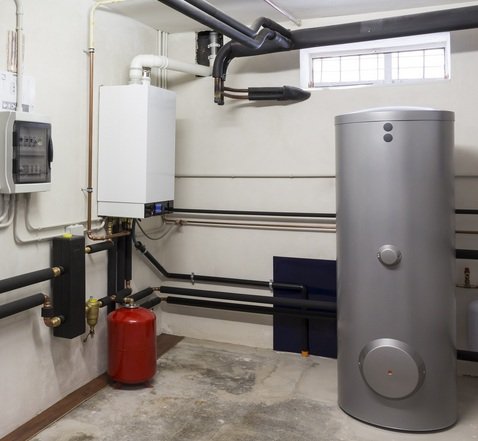
The cycling frequency of a water heater refers to how often the unit activates and deactivates in order to heat water. Ideally, a well-functioning water heater should cycle on and off several times throughout the day, depending on various factors. Understanding this frequency is vital for ensuring optimal performance, energy efficiency, and the longevity of the appliance.
Several factors influence the cycling frequency of a water heater. The most significant factor is the demand for hot water. Households with high hot water usage, such as those with multiple showers, laundry machines, or dishwashers running simultaneously, will see more frequent cycling. In contrast, a household with minimal hot water needs may experience fewer cycles. The size and type of the water heater also play crucial roles. For instance, a larger tank may take longer to heat water, resulting in less frequent cycling compared to smaller, tankless water heaters that provide hot water on demand.
Temperature settings affect cycling frequency as well. Higher temperature settings will prompt the heater to work more, thus increasing the cycling frequency. It’s worth noting that setting the temperature too high can lead to unnecessary energy consumption, while setting it too low may not adequately meet the hot water needs of the household.
Maintaining a proper cycling frequency is essential for energy efficiency. Frequent cycling can lead to wear and tear on the heating elements, shortening the lifespan of the water heater. Conversely, insufficient cycling may result in maintaining water at a temperature that is below safe levels, risking bacterial growth and inefficiency. Regular monitoring of cycling frequency allows homeowners to assess whether their water heater is operating efficiently and to make adjustments as needed to ensure its longevity and effectiveness in providing hot water.
Signs of Unstable Cycling Frequency
Monitoring the cycling frequency of your water heater is essential for its longevity and efficiency. Recognizing the signs of unstable cycling can help you address issues before they escalate. One of the most noticeable indicators is fluctuating water temperatures. If you notice that the water becomes unexpectedly hot or cold, it may suggest that the heater is not cycling properly. This inconsistency in temperature can stem from various issues, including a malfunctioning thermostat or improper settings.
Another significant warning sign of unstable cycling is an increase in your energy bills. A water heater that is cycling too frequently will consume more energy than necessary, leading to higher utility costs. If you observe a sudden spike in your energy expenses without a corresponding increase in household water usage, this could be a direct result of inefficient cycling.
Furthermore, unusual noises coming from the tank can also indicate problems with the cycling frequency. Sounds such as popping, rumbling, or hissing may suggest sediment buildup inside the tank. Over time, mineral deposits can accumulate and interfere with the heating elements, forcing the unit to work harder to maintain the desired temperatures.
Common causes of unstable cycling frequency can include sediment buildup, which hinders heat distribution, or faulty thermostats that fail to regulate the temperature accurately. Additionally, aging water heaters are more prone to these issues as components wear out over time. Regular maintenance, such as flushing the tank and inspecting the thermostat, can help mitigate these problems and ensure optimal performance.
How to Monitor Your Water Heater’s Cycling Frequency
Monitoring the cycling frequency of your water heater is crucial for ensuring optimal performance and identifying potential issues before they escalate. To begin, homeowners can implement a manual monitoring system by keeping a simple log of the water heater’s on and off cycles. To do this, observe the unit over a span of several days and note the times when the heater activates and deactivates. This will help in establishing a baseline for typical cycling behavior.
For a more automated approach, consider investing in smart technology designed for home energy monitoring. Devices such as smart thermostats or dedicated energy monitors can track cycling frequency and provide real-time data to your smartphone or computer. Many of these devices include features that alert you to irregular cycling patterns, which can indicate maintenance needs or inefficiencies.
Once a log is established, interpreting the data becomes essential. A standard residential water heater typically cycles multiple times throughout the day, depending on usage and demand. If you notice a significant increase in the frequency of cycles, this could signal an underlying issue such as sediment buildup or a failing thermostat. Conversely, if cycling is infrequent and the heater fails to deliver adequate hot water, it may indicate the need for repairs or replacement.
Homeowners should also be aware of the importance of consulting a professional when anomalies arise. If the cycling frequency is outside the normal range, an experienced technician can provide insight and perform necessary adjustments to optimize performance. Regular monitoring and timely intervention can lead to improved energy efficiency, prolonging the life of the water heater, and ensuring a consistent supply of hot water.
When to Seek Professional Help
Monitoring the cycling frequency of your water heater is essential for maintaining its efficiency and longevity. However, there are circumstances where professional intervention becomes necessary. One of the primary indicators that you should consult a plumbing or heating professional is a consistently high cycling frequency of the unit. If you notice that your water heater is turning on and off more frequently than usual, it may suggest underlying issues such as faulty thermostats, sediment buildup, or a malfunctioning heating element. Persistent high cycling can affect the performance of the unit and lead to increased energy costs.
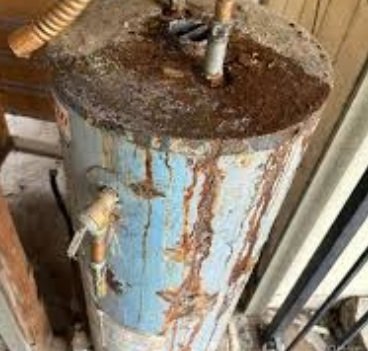
Additionally, if you encounter unusual leaks around the water heater, it is crucial to address this issue promptly. Leaks can indicate problems ranging from a loose connection to more serious concerns such as a failing tank. Ignoring leaks not only risks further damage to your system but can also lead to water damage in your home. Another major repair that may require professional assistance is if the heater fails to produce hot water consistently. This malfunction could stem from various issues that a trained technician can diagnose effectively.
When choosing a qualified technician, consider looking for certified professionals with experience in water heater repair and maintenance. Check for online reviews, ask for recommendations from friends or family, and ensure the technician is licensed and insured. This diligence ensures that your unit is receiving the expert attention it needs to operate safely and efficiently. Overall, recognizing the right time to call in a professional can significantly enhance the performance of your water heater.
ProAquaTech : 437-996-7000