How to Keep Your Pipes from Freezing in Cold Weather
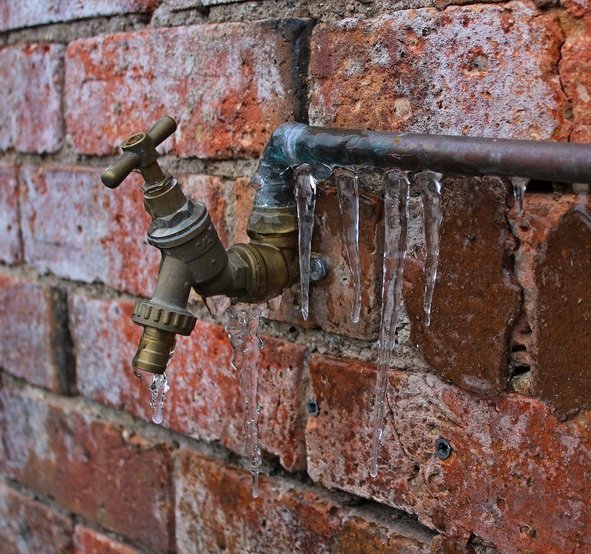
Frozen pipes are a significant issue that can arise during cold weather, particularly in regions that experience substantial drops in temperature. One of the primary causes of pipe freezing is temperature fluctuations. When outdoor temperatures plunge, the water inside the pipes can reach freezing levels, particularly in areas where the pipes are exposed to the cold. This exposure can cause the water to crystallize, leading to the formation of ice within the pipes.
Another critical factor contributing to frozen pipes is the presence of cold drafts. Drafts can originate from various sources, including poorly sealed windows and doors, or inadequate insulation in walls and ceilings. When cold air seeps into the home, it can chill the pipes, especially those located in unprotected areas like basements, attics, or outside walls. It is essential to ensure that these vulnerable spaces are adequately insulated to mitigate the risk of freezing.
Inadequate insulation itself plays a profound role in facilitating pipe freezing. Insulation serves as a barrier against temperature extremes, protecting the pipes from the cold environment outside. When insulation is insufficient or absent, pipes become more susceptible to freezing. This risk is especially high in older homes or buildings that may not have been updated to meet modern standards of energy efficiency and thermal protection.
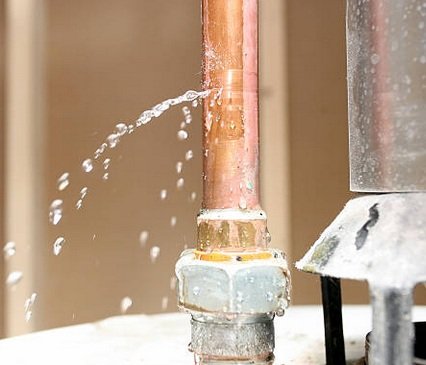
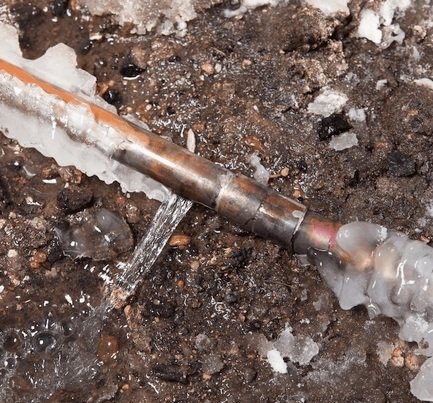
The impact of frozen pipes can be detrimental, leading to several risks such as burst pipes, significant water damage, and costly repairs. When water freezes within the pipes, it expands, creating pressure that can ultimately result in cracks or ruptures. Therefore, understanding these causes is crucial in taking proactive measures to prevent freezing and protect your plumbing system during the harsh winter months.
Preventative Measures to Protect Your Pipes
To effectively prevent your pipes from freezing during the harsh cold weather, it is essential to implement a range of preventative measures. These steps not only safeguard your plumbing system but also save you from the potential costs and inconveniences associated with frozen pipes.
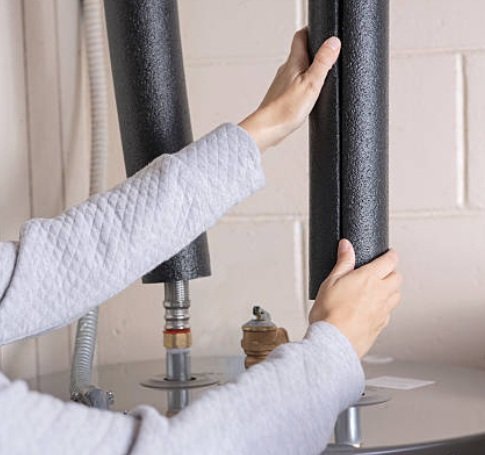
One of the most effective measures is to insulate your pipes, particularly those located in unheated areas such as basements, attics, and garages. Pipe insulation can be easily wrapped around exposed pipes, retaining heat and preventing the temperature from dropping too low. This method is particularly vital for pipes that run along exterior walls, as they are more susceptible to freezing.
Another crucial step is to seal any drafts and openings that may allow cold air to enter your home. Check windows, doors, and places where pipes enter your home; use caulk or insulation to seal any gaps. This minimizes cold air intrusion, helping to maintain a consistent temperature around your plumbing, thus reducing the risk of freezing.
Additionally, it is advisable to keep garage doors closed, especially if there are water supply lines in your garage. The cold air can quickly seep into the garage, leading to a drop in temperature around your pipes. By closing the doors, you can retain some warmth, which is beneficial in preventing frozen pipes.
During extreme cold spells, allowing faucets to drip slightly can also be effective. The movement of water, albeit minimal, prevents it from freezing inside the pipes. Even a steady drip can be beneficial in maintaining flow and reducing pressure buildup in the system.
By incorporating these measures into your winter preparedness strategies, you create a proactive approach to protect your home’s plumbing system from the detrimental impacts of freezing temperatures.
What to Do If Your Pipes Freeze
Freezing pipes can lead to significant damage if not handled properly. First, it’s essential to recognize the signs of frozen pipes, which may include little to no water flow from taps, unusual sounds coming from the plumbing system, or visibly frozen sections of pipe. If you suspect that your pipes are frozen, take immediate action to minimize any potential damage.
Begin by turning off the water supply to your home. This step is crucial as it prevents water from flowing into the frozen pipes and subsequently bursting them upon thawing, which can result in flooding and costly repairs. The shut-off valve is typically located near the water meter and should be turned clockwise until it stops. It’s advisable to inform other residents or occupants about this step to prevent any accidental use of water.
Next, assess the location of the frozen pipes. Areas that are particularly susceptible include uninsulated exterior walls, attics, and crawl spaces. Once identified, you can begin the thawing process. Use a hair dryer, heating pad, or space heater, but take caution not to apply direct flames to the pipes, as this can cause further damage or even lead to a fire hazard. Gradual heat application is suggested to effectively thaw the ice without risking pipe integrity.
As you work through the thawing process, remain vigilant for any signs of leaks or cracks caused by the freeze. If you notice any water escaping, it is advisable to turn off the water supply again and to seek professional plumbing assistance immediately. Understanding how to safely thaw frozen pipes is essential for protecting your home’s plumbing system from serious damage.
Professional Help and When to Call a Plumber
When it comes to maintaining the integrity of plumbing systems during cold weather, the challenges posed by freezing pipes often necessitate professional assistance. Detecting signs of substantial damage is crucial, as they can indicate that a pipe has burst or is at risk of bursting. Homeowners should be vigilant about observing water stains on walls or ceilings, an unexplained drop in water pressure, or the presence of water pooling in unexpected areas. These symptoms signal that immediate intervention from a qualified plumber is warranted.
Moreover, in situations where extensive freezing issues arise, especially in larger homes or properties with complex plumbing systems, the expertise of a professional becomes invaluable. DIY methods might successfully mitigate minor freeze-related problems, but they may fall short in the face of more serious complications like multiple frozen pipes or structural concerns arising from water damage. In such cases, a licensed plumber can conduct a thorough examination, identify the root cause, and implement effective solutions to prevent future occurrences.
Additionally, it can be beneficial to have a plumber assess your plumbing systems proactively, especially in regions prone to extreme cold. Plumbers can identify underlying issues that may not be immediately evident to homeowners, such as inadequate insulation, unprotected pipes, or outdated plumbing materials that may increase vulnerability during winter months. Regular professional evaluations can help ensure that your pipes are secure against freezing and associated damage.
Summarily, while DIY strategies are effective in many cases, knowing when to seek assistance from a qualified plumber is essential in ensuring both immediate solutions and long-term prevention against frozen pipes. Engaging a plumbing professional, especially during severe cold spells, can mitigate risks and protect your home’s plumbing infrastructure.